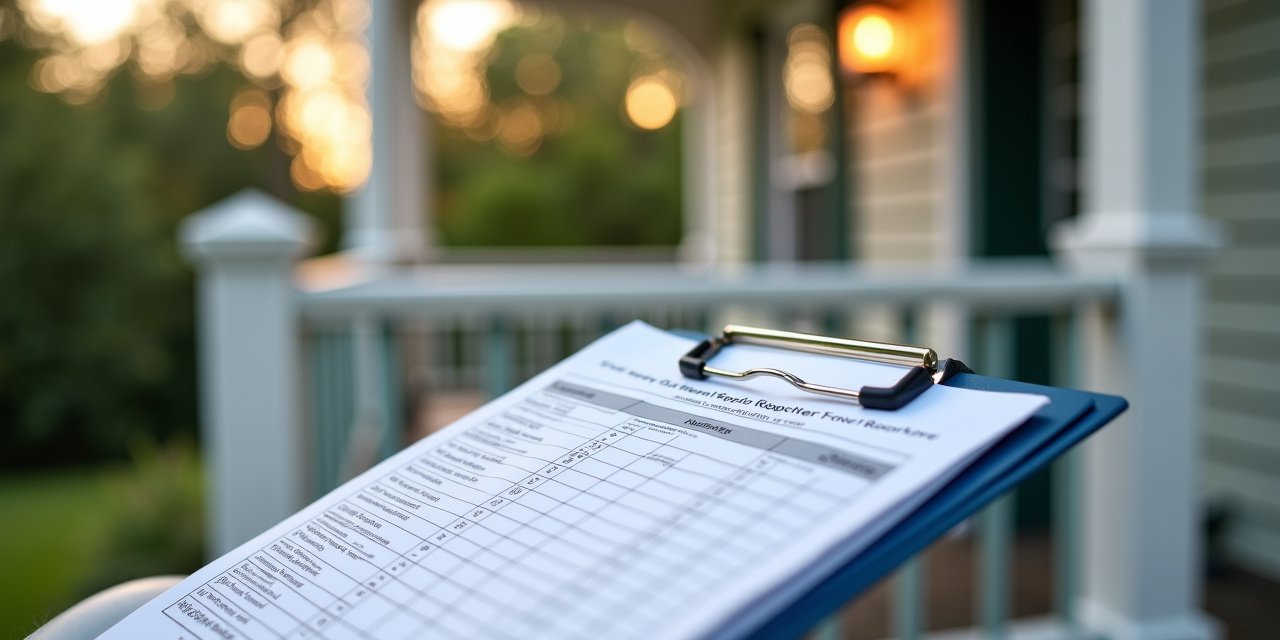
Realtors get one guide to WDI reports. Buyers need a different one, because you're the one living with the results.
If you're purchasing a home in Westchester County, you'll likely see a WDI report somewhere in your closing paperwork. This guide covers what the report actually includes, what it leaves out, and whether you need anything beyond it.
What a WDI Report Actually Covers
A WDI report uses the NPMA-33 form. It's the standard form pest inspectors complete for real estate transactions across the country.
The form isn't limited to termites. People often call it a "termite report" out of habit. It actually covers every wood-destroying insect an inspector can identify by visible evidence.
That includes subterranean termites, carpenter ants, old house borers, and powder post beetles. Each species gets its own line item on the form.
The inspector walks the accessible interior and exterior of the property. They check for live insects, shelter tubes, exit holes, sawdust-like frass, and visibly damaged wood.
What It Doesn't Tell You
A WDI report documents evidence found on one specific day. It's not a promise the home stays pest-free after that day.
It also can't see what it can't reach. Finished walls, blocked crawl spaces, and cluttered basements all limit what an inspector can actually check.
A clear report means no visible evidence turned up in the areas the inspector could access. It doesn't mean the home carries zero future risk.
That gap matters most for older Westchester homes near wooded lots or standing water, where termite pressure tends to run higher year after year.
On the Report
- Live termites, carpenter ants, or beetles seen that day
- Mud shelter tubes and discarded swarmer wings
- Exit holes and frass from wood-boring insects
- Visible past damage to accessible wood
- Conditions that invite infestation (wood-to-soil contact, moisture)
- Areas the inspector could not access
Not On the Report
- A guarantee the home stays infestation-free
- Structural soundness of damaged wood
- Hidden colonies behind finished walls
- Future risk based on the lot or surrounding land
- Repair cost estimates or contractor referrals
- Anything past the inspection date
Do I Need a WDI Report?
Answer three quick questions about your purchase to see where you likely stand.
WDI Reports for Buyers · Scarsdale & Westchester
Closing soon and still need a WDI report on file?
Pristine Pest connects Westchester home buyers with licensed providers who deliver NPMA-33 reports on a closing timeline. Call to schedule an inspection.
Call (877) 938-6799If you want the realtor-side breakdown of how each section of the form gets filled out, see WDI reports explained for Westchester realtors. For what actually happens on inspection day, see what to expect during a WDI inspection. If your closing is stalled over price, our termite inspection cost guide covers what treatment typically runs.
Frequently Asked Questions
Is a WDI report required for financing?
FHA and VA loans require one in most cases, and New York guidelines call for one in this area regardless of loan type. Conventional lenders sometimes waive it, but most attorneys still request one before closing.
How long is a WDI report valid?
Most lenders want a report dated within 30 to 90 days of closing, and many hold to 30 days specifically. A delayed closing can mean the lender asks for an updated report.
What's the difference between a WDI report and a full termite inspection?
A WDI report is a standardized snapshot on the NPMA-33 form, built for closing and lender review. A full termite inspection can go further, with crawl space entry, ongoing monitoring, and treatment recommendations.
What should I do if the report shows past damage?
Ask the seller for treatment records and any transferable warranty first. Then bring in a contractor to confirm the damaged wood is still structurally sound before you finalize your offer.