Pre-Sale Pest Inspection Checklist for Westchester Home Sellers
Prepare your Westchester home for a pest inspection before listing. This seller checklist covers termites, carpenter ants, and common deal-breaker issues.
Michael Corsetti
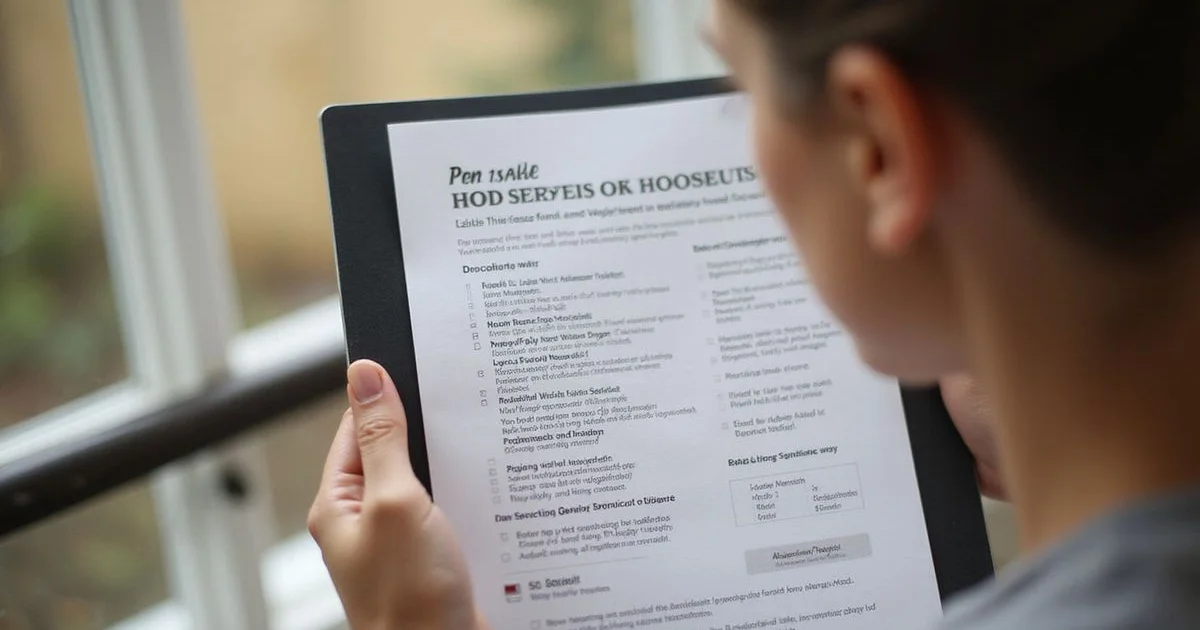
Why Pre-Sale Inspections Protect Sellers
In Westchester County’s competitive real estate market, a pest-related finding during the buyer’s inspection is a frequent cause of deal friction. We often see active termite evidence or carpenter ant damage lead to aggressive last-minute price renegotiations.
Buyers use these findings to demand credits that far exceed the actual cost of treatment.
A proactive pre-sale pest control inspection puts you back in the driver’s seat. You get to control the narrative by identifying issues on your own timeline. This approach allows you to choose the treatment provider and manage the scope of work without the pressure of a closing date looming.
Presenting a clean inspection report creates a layer of trust. It eliminates a major variable from the negotiation table.
The financial logic here is undeniable. A pre-sale inspection in Westchester typically costs between $175 and $350. Compare that to the thousands of dollars buyers often demand in concessions for the same issues.
The Financial Impact of “Wait and See”
We have compiled data comparing proactive treatment costs versus the average credits buyers demand for untreated issues.
| Pest Issue | Avg. Cost to Treat (Seller Managed) | Avg. Buyer Credit Request | Potential Savings |
|---|---|---|---|
| Carpenter Ants | $350 - $600 | $1,500 - $2,500 | $1,150+ |
| Termites (Active) | $1,800 - $2,500 | $5,000 - $10,000 | $3,200+ |
| Rodent Exclusion | $500 - $1,500 | $2,000 - $4,000 | $1,500+ |
The Pre-Sale Pest Inspection Checklist
Use this checklist to prepare your home before the inspector arrives. Our team recommends addressing these items early to reduce the likelihood of adverse findings in the official report.
Foundation and Exterior
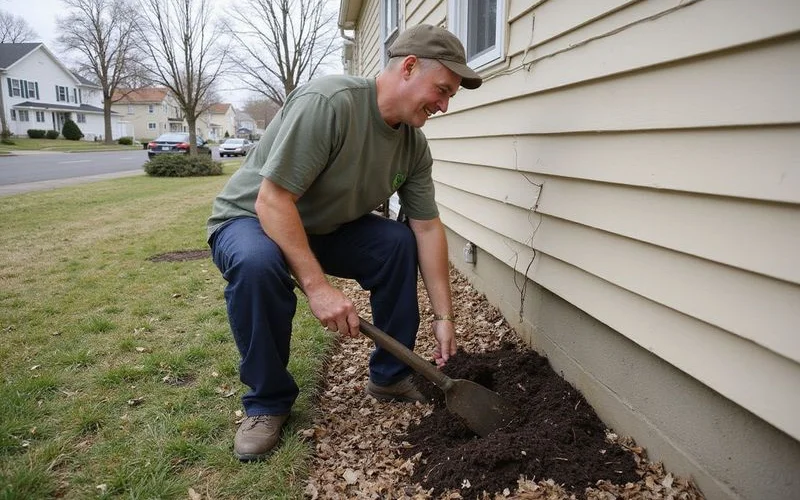
Wood-to-Soil Contact
Walk your property’s perimeter to find wood structural elements touching the ground. This is the number one entry point for the Eastern Subterranean Termite (Reticulitermes flavipes), which is the most common species in our region.
Look for these specific red flags:
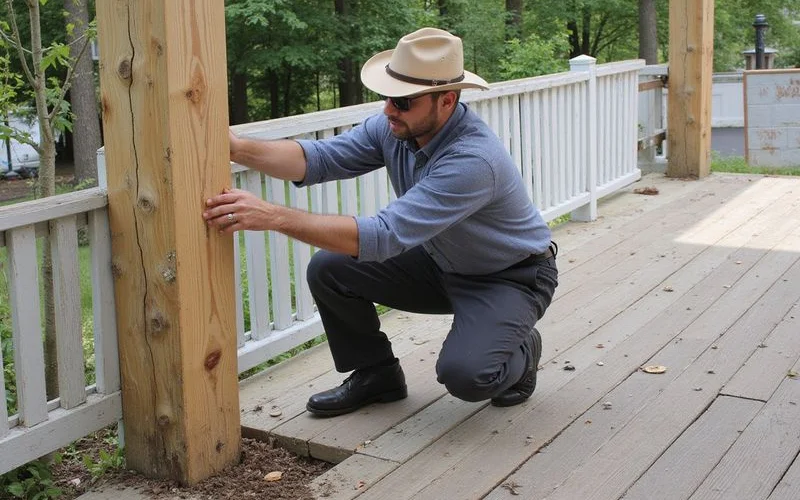
- Deck posts sitting directly on soil.
- Stair stringers resting on grade without concrete footings.
- Siding or clapboard extending below the soil surface.
- Landscape timbers placed against the foundation.
Correcting these issues before the inspection is the best strategy. If you cannot fix them, note them as known conditions. Original construction in older Westchester towns like Bronxville and Pelham often predates modern clearance codes.
Mulch and Landscaping
- Pull mulch back to maintain at least a 12-inch gap between mulch and the foundation wall (often called the “sterile zone”).
- Remove leaf litter and decaying organic material from the foundation perimeter.
- Cut back shrubs that touch the house.
Dense vegetation traps moisture against the siding. This creates a highway for ants and other insects to enter the home unseen.
Firewood Storage
- Move firewood at least 20 feet away from the structure.
- Elevate stored wood off the ground on a metal rack.
Termites and carpenter ants naturally forage in woodpiles. Placing them against your home is an open invitation for infestation.
Exterior Wood Condition
Inspect your trim and fascia for specific signs of decay.
- Check for rotted fascia and window frames.
- Look for perfectly round holes (approx. 1/2 inch) in unpainted wood, which indicates Carpenter Bees.
- Scrap peeling paint immediately.
Exposed wood absorbs water like a sponge. This softness attracts wood-destroying insects (WDI) looking for a nesting site.
Basement and Crawl Space
The basement is where inspectors spend the most time. A clean, dry basement suggests a healthy home to a buyer.
Provide Clear Access
- Move stored boxes away from walls to create a 2-foot walking path along the perimeter.
- Ensure the crawl space hatch is not blocked by heavy furniture.
- Clear the view of the sill plate and rim joist.
Inspectors must physically see the wooden structure to sign off on the NPMA-33 form (the standard WDI report). If they cannot see it, they must mark it as “inaccessible,” which raises red flags for buyers.
Moisture Control
Moisture is the primary trigger for pest activity in the Rivertowns and coastal areas like Rye. We consistently find that homes with high humidity levels have higher rates of WDI activity.
- Repair active plumbing leaks immediately.
- Verify the sump pump is operational.
- Run a dehumidifier to keep relative humidity below 50%.
- Check that crawl space vapor barriers are sealed.
The “Screwdriver Test”
You can perform a simple check yourself before we arrive. Take a screwdriver and gently probe the wood along your sill plate (the wood sitting on top of the foundation).
- Solid wood: The screwdriver should not penetrate.
- Soft wood: If the wood gives way or feels spongy, you likely have moisture damage or insect activity.
Visual Evidence to Watch For
Walk through with a bright flashlight and look for these signs:
- Mud tubes: Pencil-width tunnels running vertically on concrete.
- Frass: Sawdust-like piles near wood members (a sign of Carpenter Ants).
- Swarm wings: Translucent wings near basement windows.
- Exit holes: Tiny holes in exposed beams.
If you find these signs, do not disturb them. Schedule a professional inspection immediately so the expert can identify the species and extent of the activity.
Garage
- Move stored items away from the walls.
- Inspect the bottom of the door frame where it meets the driveway.
- Check the wall shared with the house.
The garage door frame is a common rot point due to rain splash. Rot here often wicks moisture into the main structure, inviting pests.
Attic
- Verify the attic hatch is accessible.
- Look for rodent droppings in the insulation.
- Check rafters for water stains.
Old beams in historic Westchester homes are sometimes susceptible to Powder Post Beetles. These leave tiny exit holes and fine, flour-like powder.
Previous Treatment Records
Gather your paperwork before listing.
- Termite treatment contracts and warranties.
- Bait station monitoring logs.
- Wildlife exclusion guarantees.
- General service records.
Documentation proves you have been a responsible owner. It answers questions before the buyer even asks them.
Common Deal-Breaker Issues
Active Termite Infestation
Impact on sale: This is the most severe finding. Active termites often stop a sale dead in its tracks until the issue is resolved.
Proactive solution: Treat it before you list. We advise sellers to present a property with documentation stating “active termites found, professionally treated, warranty in effect.” This narrative is honest and reassuring.
Finding out during the buyer’s inspection puts you in a weak negotiating position.
Carpenter Ant Damage
Impact on sale: Moderate. While common, extensive damage can scare off first-time homebuyers.
Proactive solution: Treat the colony and fix the moisture source. Simply killing the ants is not enough. You must repair the water issue that attracted them to prevent re-infestation.
Conditions Conducive
Impact on sale: Low to moderate. Things like wood-to-soil contact are technically “defects” on the WDI report.
Proactive solution: Fix the easy things. Grading the soil away from the house and installing gutter extensions are cheap fixes. These small efforts show the buyer that the house has been well-cared for.
Disclosure Requirements
New York State law regarding property disclosures changed significantly in 2024. The old option to pay a $500 credit in lieu of a disclosure statement has been eliminated.
Sellers must now complete the Property Condition Disclosure Statement (PCDS). This document specifically asks about known pest infestations and damage.
We recommend full transparency. Being proactive about identification and treatment satisfies your legal obligation. It also demonstrates good faith.
A documented history of treatment is a positive feature. It shows the home is currently protected by a professional warranty.
Timing Your Pre-Sale Inspection
Schedule your inspection 4-8 weeks before listing.
This specific window gives you leverage. You have time to get quotes, complete treatments, and receive the “all clear” paperwork.
Waiting until the last minute forces you to pay rush fees or accept the first contractor available.
Sell with Confidence
Pristine Pest provides pre-sale real estate pest inspections for Westchester County home sellers. We include NPMA-33 documentation, clear treatment recommendations, and clearance letters upon completion.
Our team understands the nuances of the local market. We work directly with sellers, agents, and attorneys to ensure pest issues do not derail your closing.
Protect your sale price by getting ahead of the problem. Contact Us to schedule your pre-sale pest inspection.
Written by
Michael Corsetti
Board-Certified Entomologist
Cornell-educated entomologist with 20+ years in urban pest management.
Keep Reading
Related Articles
7 Signs You Have a Pest Problem in Your Westchester Home
Learn the early warning signs of a pest infestation in Westchester County homes. From droppings to wall scratching, know when to call a professional exterminator.
5 Benefits of 24/7 Pest Detection Technology for Your Home
From early detection to zero chemicals, discover why round-the-clock digital pest monitoring is changing how Westchester homeowners protect their properties.
6 Warning Signs of Termite Damage in Westchester Homes
Mud tubes, hollow wood, and swarmers are early signs of termite activity. Learn how to spot subterranean termite damage before it becomes costly.