The Brown Marmorated Stink Bug in Westchester
The brown marmorated stink bug (Halyomorpha halys) is an invasive species from Asia established throughout Westchester County. Unlike many pests, stink bugs are purely a nuisance pest — they do not bite, sting, damage structures, or reproduce indoors. But they can invade in massive numbers, and their defensive odor makes handling them unpleasant.
Stink bugs follow a predictable pattern: outdoor feeding all summer on fruit trees, vegetables, and ornamentals, followed by a mass search for overwintering sites when day length shortens in late summer. Your home — with its warmth and protected voids — is a prime target.
Why Stink Bugs Keep Coming Back
Stink bugs release aggregation pheromones that attract other stink bugs to the same location. Once your home is identified as an overwintering site, the chemical signal persists and draws insects back year after year — even without an active infestation.
The same entry points are exploited repeatedly. Without proper exclusion, treating the insects inside provides only temporary relief: a new wave follows every fall.
Our Stink Bug Control Program
Pre-Season Exterior Treatment (August)
The most effective intervention is a perimeter treatment applied in August, before stink bugs begin migrating toward structures. Residual insecticides applied to exterior surfaces, soffits, and window frames contact stink bugs as they approach and prevent them from reaching entry points.
Structural Exclusion
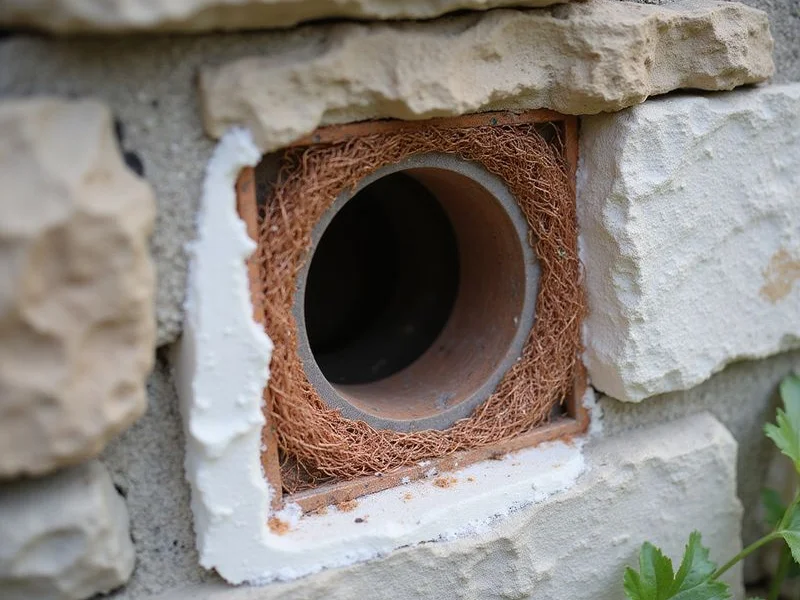
Technicians identify and seal common entry points using copper mesh, expandable foam, and weatherstripping:
- Gaps around utility penetrations and pipe chases
- Damaged or missing soffit vents and ridge cap vents
- Gaps beneath siding, around window frames, and door sweeps
- Chimney chase covers and fireplace dampers
- Crawl space vents and foundation gaps
Interior Management
For stink bugs that have already entered wall voids and attic spaces, technicians apply void treatments in targeted areas. Interior populations can be managed with light traps and targeted residual applications in attic and crawl space entry points.
What Not to Do
- Do not crush stink bugs — they emit a potent defensive odor that attracts more stink bugs via pheromone signaling
- Do not use bug zappers — they are ineffective and create odor problems indoors
- Do not spray indoors with retail products — dead insects inside wall voids attract other pests (carpet beetles, dermestids)
Vacuuming is the safest DIY removal method. Dispose of the vacuum bag sealed in a plastic bag in an outdoor trash container immediately after use.
Frequently Asked Questions
When do stink bugs invade Scarsdale homes?
Peak invasion pressure occurs September through October as day length shortens. Stink bugs begin seeking entry in late August. Treatment and exclusion is most effective when completed before August 15.
Why do I have so many stink bugs suddenly?
Stink bugs release aggregation pheromones that signal others to follow. Once your home is identified as an overwintering site, numbers concentrate rapidly. The same entry points are used year after year without proper exclusion.
Should I vacuum up stink bugs?
Yes — vacuuming is safe and effective. Do not crush them. Dispose of the sealed vacuum bag immediately in an outdoor trash container to prevent odor from permeating your home.
Schedule Before August for Maximum Protection
Stink bug exclusion and perimeter treatment must be completed before peak migration begins. Contact our licensed partner specialists to schedule your pre-season service.
Related Resources
For general exclusion services, see our Eco-Friendly Pest Control page. For stink bug biology and identification, visit our Pest Glossary. A different fall wall-climbing invader, the boxelder bug, shows up on the same sunny siding for a similar reason and is easy to confuse with a stink bug at a glance. So does the multicolored Asian lady beetle, which is often mistaken for a harmless native ladybug but can bite and trigger allergy symptoms indoors.