Understanding Earwigs in Westchester
The European earwig (Forficula auricularia) is the species responsible for virtually all earwig complaints in Scarsdale. Despite their intimidating rear pincers (cerci), earwigs are harmless to humans — they do not bite, sting, transmit disease, or damage structures. The "burrow into ears" myth is folklore with no basis in fact.
Earwigs are moisture-dependent insects that thrive in humid microclimates: under mulch, inside rolled leaves, beneath stones and logs, and along foundation drainage channels. They are primarily nocturnal, feeding on decaying organic matter, soft plant tissue, and occasionally other small insects.
Indoor invasions are driven by two conditions: drought stress (when exterior soil dries out) and fall temperatures (when earwigs seek overwintering sites). Addressing the moisture environment around your foundation is the most durable long-term solution.
Earwig Attraction: Exterior Moisture Sources
How strongly earwigs are attracted to common outdoor moisture zones around Scarsdale homes.
Why Indoor Earwig Populations Spike
Moisture Displacement (Dry Spells)
During extended dry periods, the moist exterior microhabitats earwigs depend on dry out. They migrate toward foundations seeking moisture — and if gaps exist, they enter the home. Basements, bathrooms, and laundry rooms become interior destinations.
Fall Overwintering
As temperatures drop in September and October, earwigs seek protected overwintering sites. Cracks in foundation walls, gaps under siding, and door threshold gaps provide entry. Indoor populations found in fall are overwintering rather than foraging.
Our Earwig Control Program
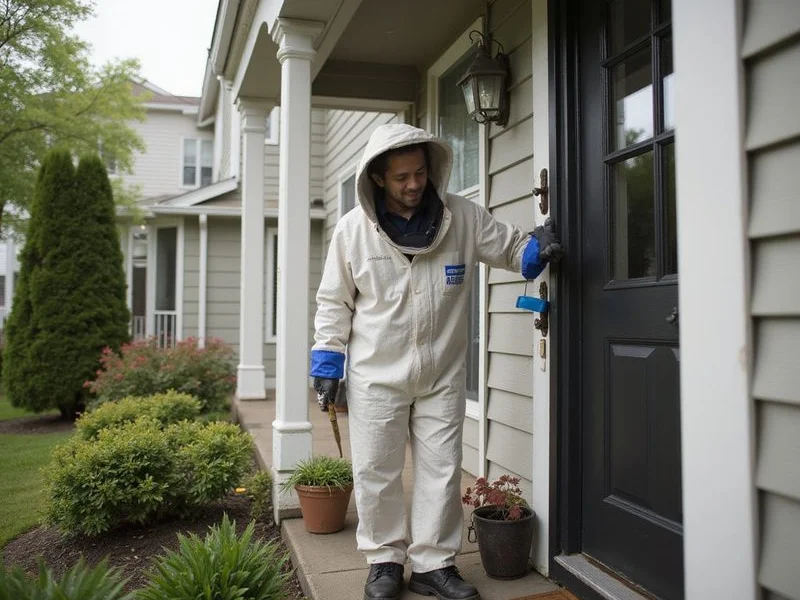
Perimeter Inspection & Treatment
Technicians apply a residual perimeter spray around the foundation, particularly in moist zones adjacent to mulch beds, downspout drainage, and groundcover. Granular perimeter baits are also effective at high-pressure entry zones.
Moisture Source Reduction
Our partner specialists identify and recommend corrections for the moisture conditions driving the infestation:
- Pull mulch back 6–12 inches from the foundation edge
- Ensure gutters and downspouts discharge water away from the structure
- Correct drainage grades that allow water to pool against the foundation
- Remove logs, stones, and debris piles in immediate contact with the structure
- Switch perimeter lighting to yellow-spectrum bulbs (less attractive to insects at night)
Structural Exclusion
Sealing entry points prevents earwigs — and dozens of other pests — from entering the structure:
- Door sweeps and threshold seals on exterior doors
- Caulking of foundation cracks and utility penetrations
- Window screen repair and door frame gap sealing
- Expansion foam in crawl space and basement vent gaps
Garden Management for Earwig Reduction
Earwigs damage soft-leaf plants, flower petals, and seedlings. Signs include irregular holes in leaves and damaged blooms. To reduce garden populations:
- Trap earwigs with rolled damp newspaper left overnight near plants — dispose of trapped insects in the morning
- Apply diatomaceous earth around plant bases (reapply after rain)
- Reduce dense groundcover immediately adjacent to the home's foundation
- Use raised beds with dry soil rather than heavily mulched in-ground beds
Frequently Asked Questions
Are earwigs dangerous?
No. Earwigs cannot transmit disease, do not bite aggressively, and cause no structural damage. They are a nuisance pest. The "burrow into ears" myth has no factual basis. Cerci can pinch weakly if the insect is handled roughly, but the pinch rarely breaks skin.
Why do I suddenly have earwigs inside?
Indoor earwig invasions are driven by moisture displacement during dry weather or fall overwintering behavior. Reducing exterior moisture sources and sealing foundation entry points resolves most interior problems permanently.
Do earwigs damage my home's structure?
No. Earwigs do not damage wood, insulation, or structural materials. They feed on decaying organic matter and soft plant tissue. Indoor earwigs cause no structural damage — they are purely a nuisance concern.
Eliminate the Moisture — Eliminate the Earwigs
Earwig control without addressing the underlying moisture environment is temporary. Our partners take a whole-property approach — treatment plus habitat modification — for results that last season after season.
Related Resources
For eco-friendly pest control options, see our Eco-Friendly Pest Control page. For pest identification help, visit our Pest Glossary.