What to Expect from a WDI Inspection Before Buying a Home
A Wood Destroying Insect inspection is required for most Westchester home purchases. Learn what inspectors look for, how long it takes, and what reports cover.
Michael Corsetti
Why WDI Inspections Are Essential for Home Buyers
You know how the final weeks before closing on a house feel like a whirlwind of paperwork and stress. One step in this process often gets treated as a minor formality, yet it carries massive financial weight. We see many buyers in Westchester County and Connecticut underestimate the Wood Destroying Insect (WDI) inspection until it threatens their mortgage approval.
A standard home inspection checks the furnace and the roof. It rarely looks deep enough to find the pests eating the structure from the inside out. The Environmental Protection Agency estimates that termites cause over $5 billion in property damage annually in the United States.
Most standard homeowners insurance policies specifically exclude termite damage from coverage. You are left responsible for 100% of the repair bill if these insects go unnoticed. We view this inspection not just as a lender requirement, but as your primary pest control shield against a hidden, expensive disaster.
What a WDI Inspection Covers
The Four Target Organisms
Our inspections in the New York and Connecticut region specifically target four categories of insects known to compromise structural integrity.
1. Subterranean Termites (Reticulitermes flavipes) These are the primary threat in our area. Termites work 24 hours a day without sleeping and can consume roughly a foot of 2x4 timber in six months depending on colony size. We look for mud tubes that are about the width of a pencil, discarded wings near windows, and wood that sounds hollow when tapped.
2. Carpenter Ants (Camponotus spp.) These large black ants do not actually eat the wood. They excavate it to build nests, often targeting moist or decaying timber near plumbing leaks or rooflines. Our team checks for “frass,” which looks like coarse sawdust but contains insect parts, unlike the smooth powder left by other pests.
3. Carpenter Bees (Xylocopa virginica) You will often see these large, black-and-yellow bees hovering around eaves in late spring. They bore nearly perfect 1/2-inch round holes into unpainted wood to lay eggs. While one bee causes minor issues, generations of bees reusing and branching these tunnels can compromise the strength of deck posts and fascia boards.
4. Powder Post Beetles (Families Lyctidae and Anobiidae) These pests are smaller but insidious. Their larvae bore through hardwoods like oak flooring and antique molding. We scan for tiny, round exit holes that look like they were made by a pin, accompanied by a very fine, flour-like powder accumulating below the wood.
The Inspection Process
Before the Inspection
Preparation makes a significant difference in the quality of the report. A cluttered basement is the enemy of a thorough inspection. We find that obstructed views are the number one reason for “incomplete” inspection reports.
You can ensure a better inspection by managing access:
- Clear the Perimeter: Ensure the seller moves stored boxes at least two feet away from foundation walls.
- Unlock Access Points: Verify that crawl spaces, attics, and garages are unlocked.
- Create Visibility: Ask that items blocking the electrical panel or water main be relocated, as these are common entry points for pests.
During the Inspection
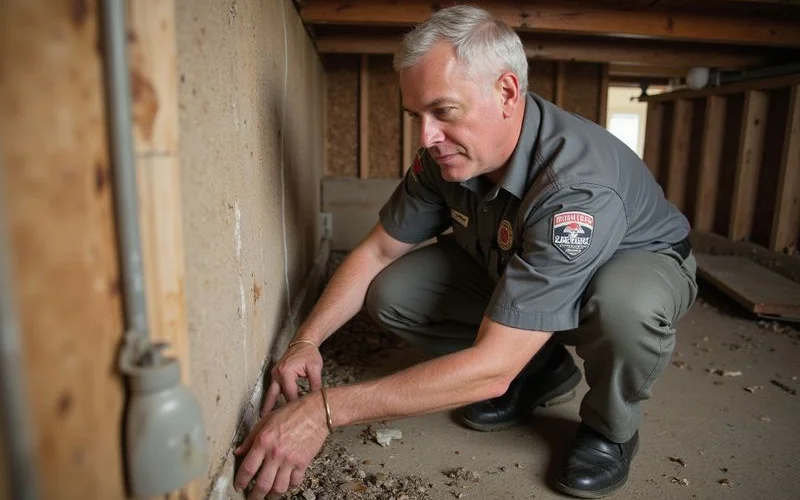
A professional WDI inspection typically takes 45 to 90 minutes. The timeline depends heavily on the size of the home and the amount of clutter present. We methodically scan the property using a specific pattern to ensure no area is overlooked.
Interior Assessment:
- Basement and Crawl Space: This is the “ground zero” for termite entry. We probe sill plates and band joists for soft spots.
- Garage: We pay close attention to the door frames and where the concrete slab meets the wall.
- Plumbing Penetrations: Areas where pipes enter the foundation are common highways for insects.
- Finished Areas: We check baseboards and window frames for exit holes or mud tubes.
Exterior Assessment:
- Foundation Line: We inspect the critical 6-inch gap between the soil and the siding.
- Attached Structures: Decks, porches, and wooden stairs are checked for carpenter bee holes and rot.
- Landscaping: We look for heavy mulch or wood piles touching the house, which act as a bridge for termites.
Areas Not Inspected
It is vital to have realistic expectations about access. A WDI inspection is visual and non-destructive. We cannot tear down drywall or rip up carpet to see what is underneath.
The following areas remain excluded:
- Behind finished drywall or heavy cabinetry.
- Inside insulated walls (unless visible signs exist externally).
- Beneath fixed floor coverings like hardwood or tile.
- Areas deemed unsafe to enter, such as crawl spaces with standing water.
The report will clearly list these obstructions in Section V. This documentation protects you by formally stating which areas were not verified.
The NPMA-33 Report
What It Is
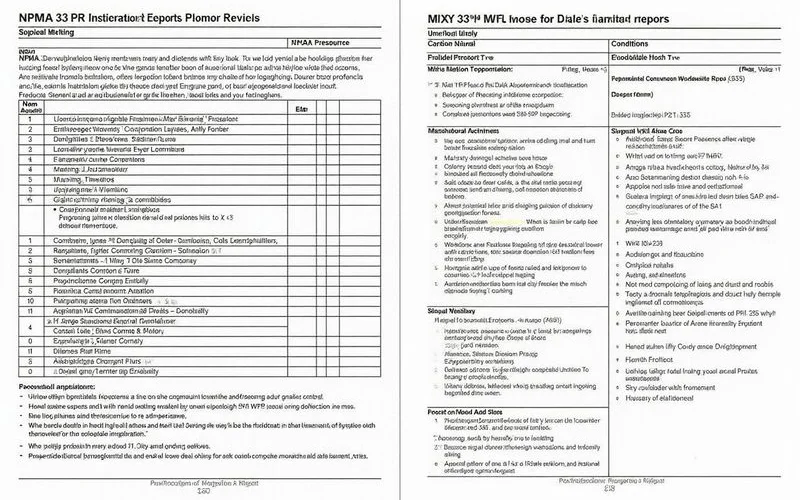
Lenders do not accept a handwritten note on a napkin. They require the NPMA-33 form. This is the federally recognized document mandated by the Department of Housing and Urban Development (HUD) for FHA, VA, and USDA loans.
What the Report Contains
The form is broken down into specific sections that tell the story of the home’s pest history. We ensure every field is accurate to prevent delays at the closing table.
Section I: Visible Evidence of WDI This boxes checks “Yes” or “No” regarding current activity. A “Yes” here usually halts the closing process until treatment is performed.
Section II: Visible Evidence of Damage This notes structural compromises. We might find no live bugs, but significant damage from a colony that was treated ten years ago.
Section III: Evidence of Previous Treatment Drill holes in a concrete porch or small plastic bait stations in the yard indicate past battles. This history is crucial for knowing if the home has a warranty.
Section IV: Conducive Conditions This section outlines risk factors. It highlights problems like:
- Earth-to-Wood Contact: Deck posts buried directly in dirt.
- Moisture Issues: Standing water or high humidity in a crawl space.
- Dense Vegetation: Bushes planted too close to air vents.
Section V: Obstructions This lists every area the inspector could not see. A high number of obstructions increases your risk of hidden issues.
How to Interpret the Results
Comparison of Findings
Understanding the difference between “active” and “previous” is key to your negotiation strategy.
| Finding Type | Meaning | Typical Buyer Action |
|---|---|---|
| Clear Report | No visible evidence found. | Proceed to closing. Keep the report for your records. |
| Active Infestation | Live insects or fresh mud tubes seen. | Mandatory treatment required. Negotiate cost with seller. |
| Previous Damage | Old tunnels or holes; no live bugs. | Evaluate structural integrity. Ask for proof of prior treatment. |
| Conducive Conditions | No bugs, but high risk factors. | Plan for maintenance (grading soil, fixing leaks) after moving in. |
Clear Report (No Findings)
A clear report is the ideal outcome. It means we did not see any evidence in the visible areas. You should remember that “no evidence visible” is not a guarantee that the home is sterile, but it clears the hurdle for your mortgage.
Findings of Active Infestation
Finding live termites is not necessarily a deal-breaker. It is a problem with a clear solution. We often advise buyers to request that the seller pay for a professional treatment by a licensed company before closing. You should insist on receiving the treatment receipt and the transferable warranty.
Findings of Previous Damage
Old damage is common in Westchester homes built in the 1920s and 1950s. If we find damage without live bugs, the main concern shifts to structural stability. You may need a contractor or structural engineer to determine if a support beam needs reinforcement, even if the bugs are long gone.
Inspection Costs in Westchester County
Pricing for WDI inspections in our region reflects the high cost of living and the complexity of older homes.
| Property Type | 2025/2026 Typical Cost Range |
|---|---|
| Standard Single-Family | $200 - $375 |
| Large Estate / Complex | $350 - $550 |
| Multi-Family (2-4 Units) | $450 - $800 |
| Condo / Co-op | $175 - $300 |
We sometimes offer bundled pricing if you combine the inspection with other services. You should also know that some companies will waive the inspection fee if you hire them for the necessary treatment.
Turnaround Time
Real estate deals move fast. We typically deliver the digital NPMA-33 report within 24 hours of the site visit. Same-day reporting is often available for urgent situations where your rate lock is about to expire.
Choosing a WDI Inspector
Qualifications to Look For
The quality of your inspection depends entirely on the expertise of the inspector. A general home inspector may miss subtle signs that a specialist catches immediately.
We recommend verifying these credentials:
- NYS DEC License: Specifically Category 7A (Structural and Rodent).
- Experience: Look for a company that specializes in wood-destroying organisms, not just general pest control.
- Independence: The inspector works for you, not the realtor.
Questions to Ask
You have the right to interview your inspector before hiring them. We suggest asking these specific questions to gauge their reliability:
- “Are you a Certified Commercial Pesticide Applicator or a Technician?” (Applicators have higher training).
- “Do you carry Errors and Omissions (E&O) insurance?”
- “Does your report satisfy FHA/VA loan requirements?”
- “If you find termites, can you provide a quote for treatment immediately?”
- “How do you handle crawl spaces with limited access?”

Buy with Confidence
Pristine Pest delivers comprehensive real estate pest inspections for homebuyers across Westchester County, NYC, and Connecticut. We bring over 50 years of experience in the Hudson Valley real estate market to every property we assess. Our team provides clear, accurate reports within 24 hours to keep your closing on schedule.
If we find an issue, we provide competitive, low-toxicity treatment options backed by full warranty coverage. Call us at to schedule your WDI inspection and ensure your new investment is safe.
Written by
Michael Corsetti
Board-Certified Entomologist
Cornell-educated entomologist with 20+ years in urban pest management.
Keep Reading
Related Articles
How Often Should You Schedule Pest Control for Your Home?
Discover the ideal pest control service frequency for Westchester homes. Learn why quarterly IPM visits prevent infestations before they start.
How SMART Digital Pest Monitoring Works and Why It Matters
Anticimex SMART sensors detect rodent activity 24/7 without toxic baits. Learn how wireless pest monitoring technology protects Westchester homes.
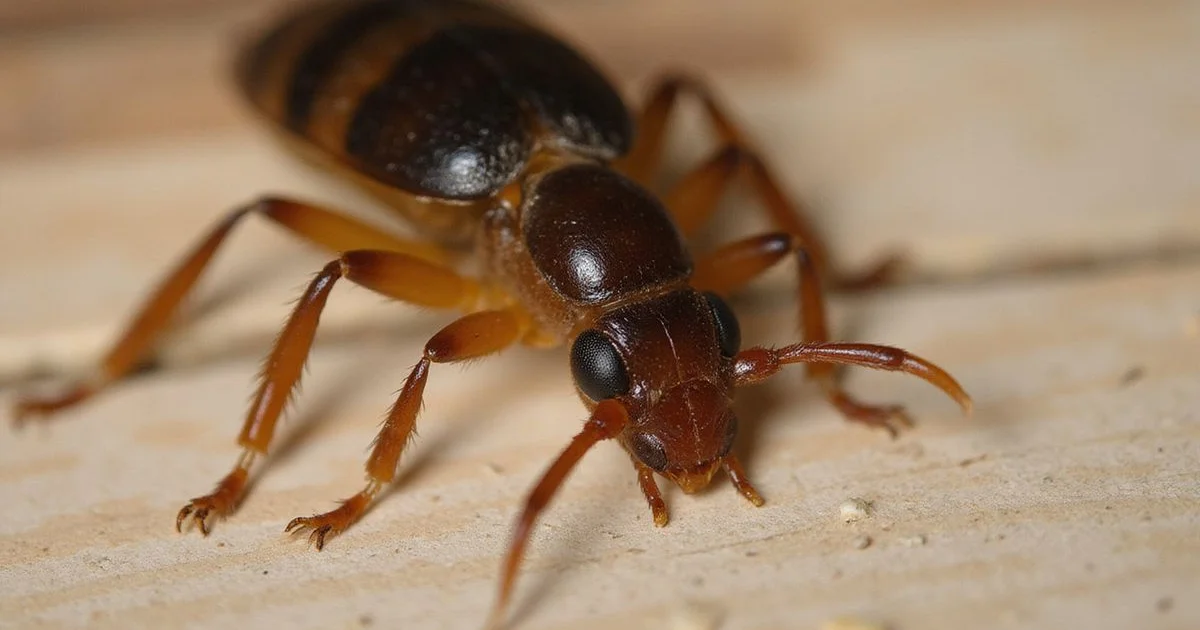
How Much Does Termite Treatment Cost in Westchester County?
Get realistic termite treatment pricing for Westchester homes. Compare costs for Sentricon bait stations, liquid treatments, and annual monitoring plans.