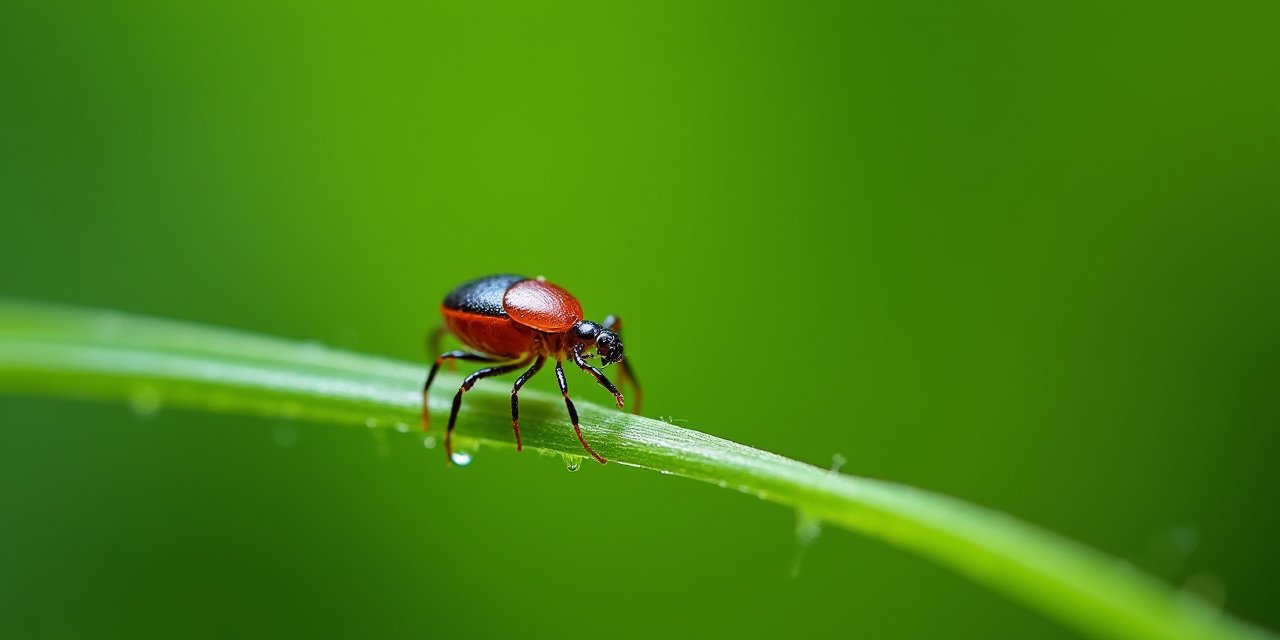
The CDC issued a health alert in June 2026 after emergency room visits for tick bites reached their highest level since 2017. Westchester County sits inside one of the highest-incidence regions in the alert. The number that matters most isn't the headline count. It's which life stage is driving it.
Adult ticks aren't the main problem. Nymphal ticks are. Here's what the data actually shows, and why a bite this small is so easy to miss.
What the CDC Data Actually Shows
The June 2026 alert followed a string of regional reports through the spring. Tick bites reached their highest level since 2017 nationally, and several Northeast health departments flagged an earlier-than-usual start to the season.[1] Public health officials point to two drivers: an expanding tick range and a growing population, both linked to milder winters and stable deer populations.
ER visit data isn't a perfect proxy for actual bite counts. Not every bite sends someone to the ER, and reporting varies by region. But the trend lines from multiple independent sources, ER data, confirmed Lyme case counts, and tick surveillance programs, all point the same direction this year.
Illustrative regional ER visit trend for tick bites, relative scale. Source: CDC health alert, June 2026.[1]
Why Nymphs, Not Adults, Drive the Numbers
Adult ticks are large enough to spot and remove before they've fed long enough to transmit disease in most cases. Nymphs are a different story entirely.
Tick Life Stage Size Comparison
Relative size and detection difficulty by life stage.
A nymph's small size means it can feed for two to three days before anyone notices it. Transmission risk rises with attachment time, so that window matters more than almost any other single factor. An adult tick, spotted and removed within hours, rarely has time to transmit anything.
Nymph Season · Scarsdale & Westchester
Nymphs peak in late May and June. A yard treatment timed to that window is the highest-leverage step you can take.
Pristine Pest connects Westchester homeowners with licensed tick control providers. Lead gen service · read disclaimer.
Call (877) 938-6799Peak Window: May Through July in Westchester
Nymphal blacklegged ticks are most active from May through July in this region, with the sharpest peak in late May and June. That window overlaps almost exactly with when Westchester families spend the most time in yards, on trails, and at outdoor sports practices.
The high-density habitat for nymphs is the same as for adults: wooded edges, stone walls, leaf litter, and groundcover beds. Nymphs favor slightly lower, more sheltered vegetation than questing adults, which is part of why they end up on ankles and lower legs before anyone feels a bite.
What Actually Reduces Nymph Exposure This Season
A professional barrier treatment timed to the May nymph peak targets ticks at the life stage responsible for most transmissions, rather than treating generically across the season. Combine it with daily tick checks focused on hairline, behind ears, waistband, and behind knees, the spots nymphs favor most. Keep grass trimmed and leaf litter cleared from the wooded edge to reduce the humid microhabitat nymphs need to survive.
For the full seasonal treatment calendar and what a professional visit actually targets, see our guide on tick yard treatment in Scarsdale. For the broader 2026 season outlook, see tick season 2026. If you're weighing symptoms or exposure, our article on Lyme disease symptoms for Westchester residents covers what to watch for. Our tick and mosquito control page has more on seasonal programs.
Frequently Asked Questions
Why are nymphs more dangerous than adult ticks?
Nymphs are roughly the size of a poppy seed, far smaller than adult ticks, so bites go unnoticed far more often. They can stay attached for days, and longer attachment time raises the odds of Lyme disease transmission.
When is nymph season in Westchester County?
Nymphal blacklegged ticks are most active from May through July, with the sharpest peak in late May and June. This window accounts for most Lyme disease transmissions each year.
Does the CDC data reflect a bigger tick population or better reporting?
Officials attribute the rise mainly to expanding tick range and population growth, driven by milder winters and deer population trends, not a reporting change. Multiple independent data sources point the same direction.
What actually reduces nymph exposure on my property?
A professional tick treatment timed to the May nymph peak is the highest-leverage step, since it targets the life stage responsible for most transmissions. Pair it with daily tick checks and trimmed vegetation.
Related Reading
- Tick Season 2026 in Westchester
- Tick Yard Treatment in Scarsdale
- Lyme Disease Symptoms for Westchester Residents
- Tick Prevention Guide for NY Homeowners
- Powassan Virus: The Tick-Borne Threat Faster Than Lyme
- New York's First Sighting of the Asian Longhorned Tick Was in Westchester
- Tick & Mosquito Control
- Scarsdale Pest Control Service Area