The Short Version
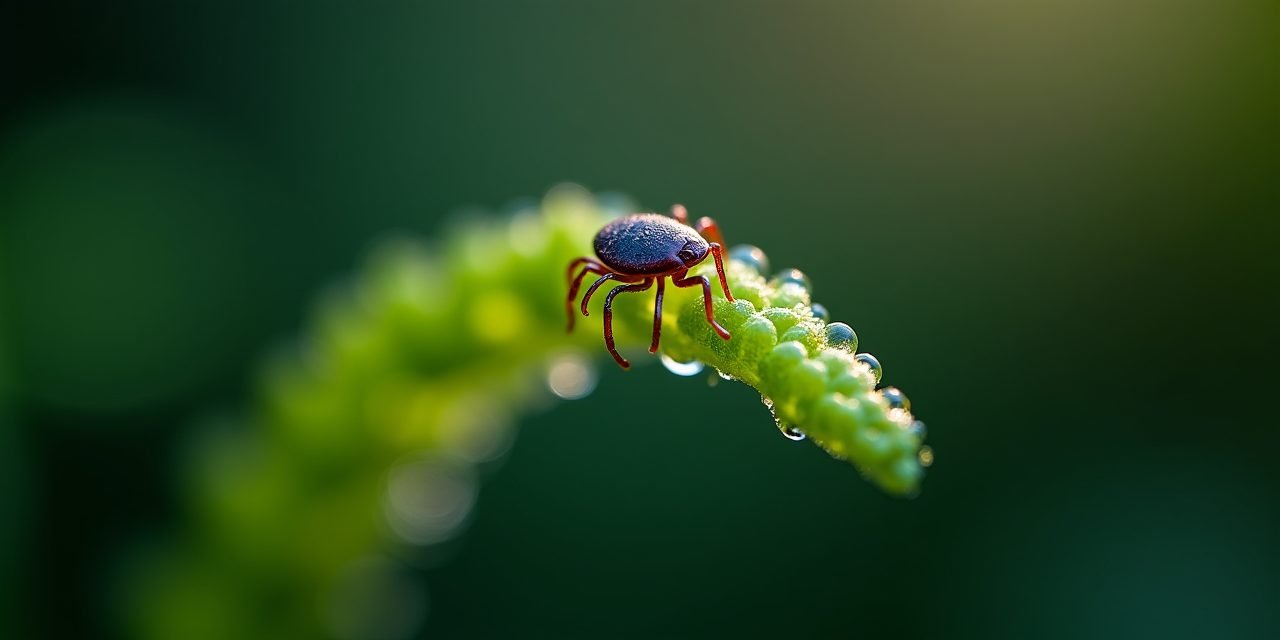
Everyone in Westchester already knows the blacklegged tick causes Lyme disease. Fewer people know it carries something else, one that doesn't need a full day attached to infect you.
Powassan virus spreads through the exact same tick. But where Lyme bacteria typically need 16 to 24 hours of attachment to transmit, Powassan can move into your bloodstream in as little as 15 minutes.
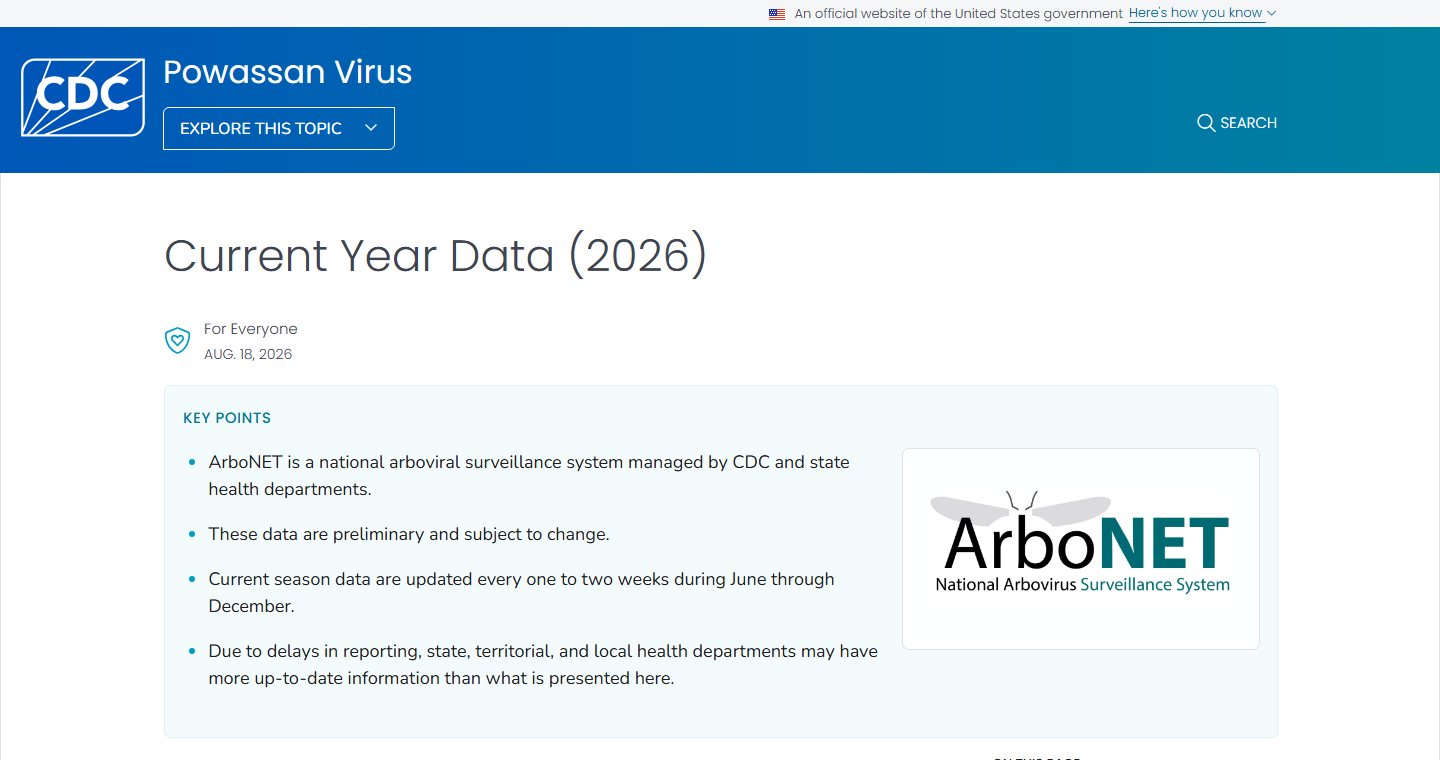
It's still rare. The CDC had logged 20 confirmed cases nationwide as of mid-August 2026. But the trend line is not flat, and two counties bordering Westchester already have real case history.
Why 15 Minutes Changes Everything
Standard Lyme prevention advice centers on the daily tick check. Find and remove the tick within a day, and you likely avoid Lyme entirely, since the bacteria need time to migrate from the tick's gut into your skin.
Powassan doesn't play by that timeline. The virus can already be in the tick's saliva glands, ready to transmit the moment it bites. A same-day tick check that would have stopped Lyme does nothing to stop Powassan.
Powassan can invade the central nervous system, causing encephalitis or meningitis. A 2013 to 2023 study of New York cases found 91% of patients were hospitalized and 11% died. That is a different risk category than most Lyme cases, which respond well to antibiotics when caught early.
Powassan vs. Lyme: Same Tick, Different Threat
Both ride the blacklegged tick. Almost nothing else matches.
| Trait | Lyme Disease | Powassan Virus |
|---|---|---|
| Cause | Bacteria (Borrelia burgdorferi) | Virus |
| Time to transmit | 16 to 24 hours attached | As little as 15 minutes |
| Typical symptoms | Rash, fever, joint pain | Fever, headache, vomiting, confusion |
| Severe outcome | Chronic joint or nerve issues if untreated | Encephalitis or meningitis |
| Treatment | Antibiotics, effective if caught early | No antiviral treatment; supportive care only |
| NY cases, 2013 to 2023 | Thousands reported annually | 44 total over the decade |
| Fatality rate | Rare when treated | About 11% of confirmed cases |
Powassan figures from a 2013 to 2023 New York State epidemiology study. Lyme figures are general CDC and NYSDOH surveillance ranges, not a matched study.
The Numbers Right Next Door
No Powassan case has been confirmed in Westchester County itself as of this writing. That's genuinely good news. It is also not the whole picture.
Dutchess County, which borders Westchester to the north, has recorded 14 confirmed Powassan cases since 2012, including one fatal case last year, according to county health officials. The same 2013 to 2023 study found Putnam and Columbia counties, both in the immediate region, had the highest Powassan incidence rates anywhere in New York State.
In July 2026, News 12 Westchester reported that a Dutchess County man was hospitalized in critical condition after what the station described as a rare tick-borne illness. The report didn't confirm the specific pathogen. It's a reminder that severe tick-borne disease isn't a hypothetical in this region this season.
Most tick bites, even from an infected tick, don't transmit disease. Powassan remains far less common than Lyme. The point isn't panic. It's that the "remove it within a day" rule that works for Lyme isn't a complete strategy on its own anymore.
What Actually Reduces the Risk
Since Powassan can transmit before you'd ever find the tick, prevention has to happen before the bite, not after.
- Permethrin-treated clothing and gear kills or repels ticks on contact, before attachment even starts.
- Perimeter tick treatments reduce the number of ticks questing in your yard in the first place, which is the only real defense against a 15-minute transmission window.
- Daily tick checks still matter. They won't stop Powassan, but they remain your best defense against Lyme, babesiosis, and anaplasmosis, which are all far more common.
- Habitat management, clearing leaf litter, keeping grass short, and creating a barrier between lawn and woods, cuts the number of ticks that make it onto your property at all.
Frequently Asked Questions
Is Powassan virus in Westchester County?
No case has been confirmed in Westchester County itself as of this writing. But neighboring Dutchess and Putnam counties have documented cases, and a 2013 to 2023 study found Putnam and Columbia counties had the highest Powassan incidence rates in New York State.
How is Powassan virus different from Lyme disease?
Lyme disease bacteria typically need 16 to 24 hours of tick attachment to transmit. Powassan virus can transmit in as little as 15 minutes. Powassan can also attack the central nervous system directly, causing encephalitis or meningitis in severe cases.
How common is Powassan virus?
Still rare next to Lyme disease. The CDC counted 20 confirmed cases nationwide as of mid-August 2026. But the trend is climbing fast: national case counts rose from 7 in 2015 to 76 in 2025.
What tick spreads Powassan virus?
The same blacklegged, or deer, tick that spreads Lyme disease, babesiosis, and anaplasmosis. There is no separate species to watch for. It is the same tick Westchester homeowners already deal with every spring and summer.
Sources
- CDC: Powassan Virus Current Year Data (2026)
- NYS Department of Health: Powassan Virus Disease Fact Sheet
- US News: Cases of Rare but Dangerous Powassan Tick Virus Rising in US
- Epidemiology and risk analysis of Powassan virus infection, New York State, 2013 to 2023 (PMC)
- Dutchess County: Case of Powassan Virus in Dutchess
- News 12 Westchester: Rare tick-borne illness leaves Wappingers Falls man fighting for life
Last updated: August 23, 2026
This article is provided for general educational purposes only and does not constitute medical or pest treatment advice for your specific property. Pristine Pest is a lead generation service that connects homeowners with licensed pest control providers. We are not a licensed pest control company and do not perform inspections or treatments. Read our full disclaimer.
Pristine Pest may receive compensation when you contact pest control providers through this site. This does not affect the accuracy of our content.