Spray kills on contact. Bait can take up to two weeks. That gap convinces a lot of homeowners the bait isn't working.
Giving up early is the most common mistake in DIY ant control. Wiping down a bait trail, or spraying over it out of frustration, kills the very ants carrying the toxicant home. That resets the whole process back to day one.
Knowing what's actually happening inside the colony each day makes the wait easier to sit through, and easier to trust.
What Trophallaxis Actually Is
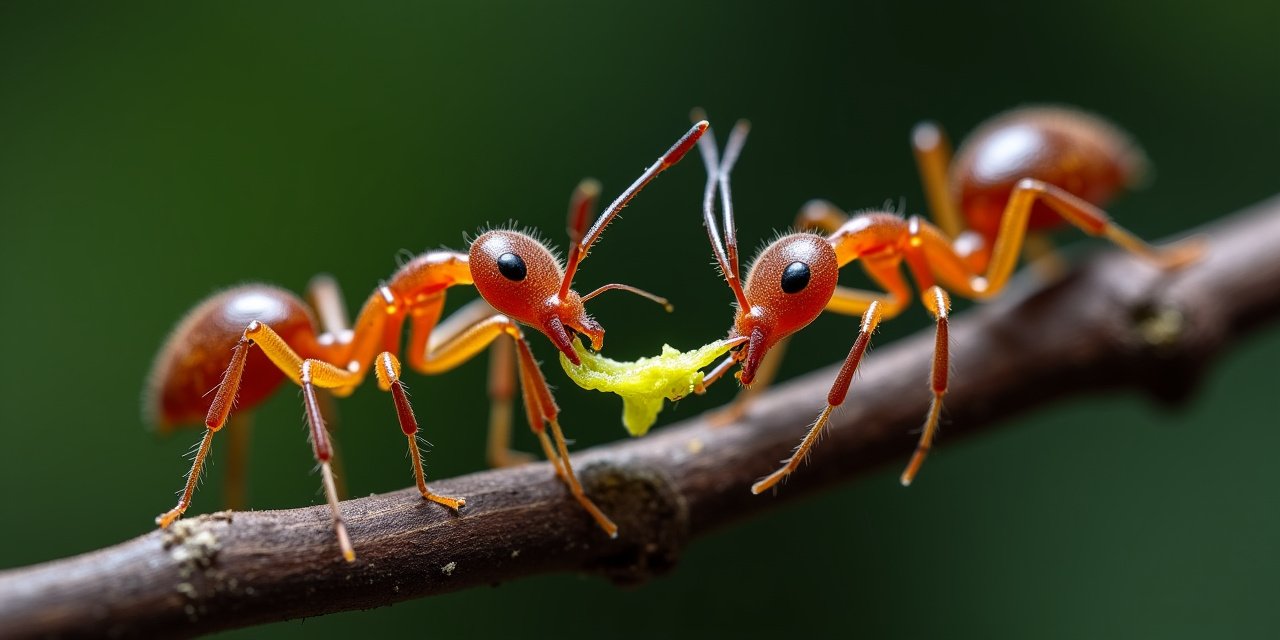
Ants don't feed themselves the way people assume. Most food entering a colony passes mouth-to-mouth between workers, a process called trophallaxis. One forager can feed a dozen nestmates in a single day.
This is why bait works at all. A forager picks up a small amount of toxicant mixed into food. She carries it home and shares it with workers that never left the nest.
The queen and the larvae almost never leave the nest, and neither one forages. Trophallaxis is the only way bait reaches them. That's the entire mechanism a fast-acting spray skips past.
Compare that to a residual treatment, which kills on contact and only affects ants that touch the treated surface directly. Nothing gets carried anywhere. That's faster to see and shallower in effect.
The Timeline: What Happens Each Week
The two-week window isn't a guess. It follows a fairly consistent pattern across the species Westchester homeowners deal with most.
Days 1 to 3: Foragers Find and Carry the Bait
The first three days are about discovery, not decline. Foraging ants find the bait station and treat it like any other food source.
They make repeat trips, carrying small amounts back to the nest each time. Visible ant counts near the bait usually stay flat, or even dip slightly, during this window.
Days 4 to 7: Bait Spreads Colony-Wide
This is the week that confuses most homeowners. Trophallaxis carries bait from forager to forager, then to nurse ants, then to brood tenders.
Visible activity can actually increase during these days. More foragers get recruited to the food source, so trails may look busier, not quieter.
That uptick is a sign the bait is spreading, not a sign the treatment is failing. Spraying now undoes four days of progress.
Days 8 to 14: Population Declines
By day eight, the toxicant has usually reached the larvae and, in most colonies, the queen. Reproduction slows first, then stops.
Worker ants live only a matter of weeks on their own. Without new brood replacing them, the visible population drops fast in week two.
Full colony collapse is typically complete somewhere between day 10 and day 14, depending on colony size and species.
Bait Saturation Inside the Colony: Day 1 to Day 14
Try It: Move the Slider
Drag to any day in the two-week window. See what's actually happening inside the colony at that point.
Foragers are just discovering the bait. Nothing visible has changed yet.
Ant Bait Not Working Yet? · Scarsdale & Westchester
If it's been under two weeks, the bait is probably still working.
Pristine Pest connects Westchester homeowners with licensed providers who monitor bait progress correctly instead of switching products too soon. Call to schedule an inspection.
Call (877) 938-6799What This Means While You Wait
Two weeks feels long when ants are still visible on your counter. Resist the urge to switch products or add spray during that window.
If trails haven't declined by day 14, the treatment may need reassessment, not a mid-course swap. For how professionals structure a full ant treatment from inspection to follow-up, see our guide on ant colony treatment methods.
If ants keep returning after a treatment that looked successful, our article on why ants keep coming back covers entry sealing and moisture fixes. Our ant control page covers what a full inspection includes.
Frequently Asked Questions
What is trophallaxis?
Trophallaxis is the mouth-to-mouth transfer of food between ants. It's how a single forager can feed the entire colony, including ants that never left the nest.
Why does ant activity increase before it decreases?
More activity in week one means more foragers are being recruited to carry bait home. It's a sign the bait is spreading colony-wide, not a sign the treatment failed.
How long does ant bait realistically take to work?
Most bait programs show a visible decline within one to two weeks and reach full colony collapse within two to three weeks. Larger or multi-queen colonies can take longer.
Is switching bait products mid-treatment a mistake?
Usually, yes. Switching introduces a new bait that foragers have to rediscover, which restarts the recruitment process. Give one product the full two-week window first.