Connecticut confirmed its first West Nile virus case of 2026 in early July. That's not a distant headline for Westchester homeowners. It's a neighboring state reporting the same mosquito species that breeds in gutters and birdbaths across this county every summer.
Not every mosquito carries West Nile risk equally. In this region, one species does almost all the work.
The Species That Matters: Culex pipiens
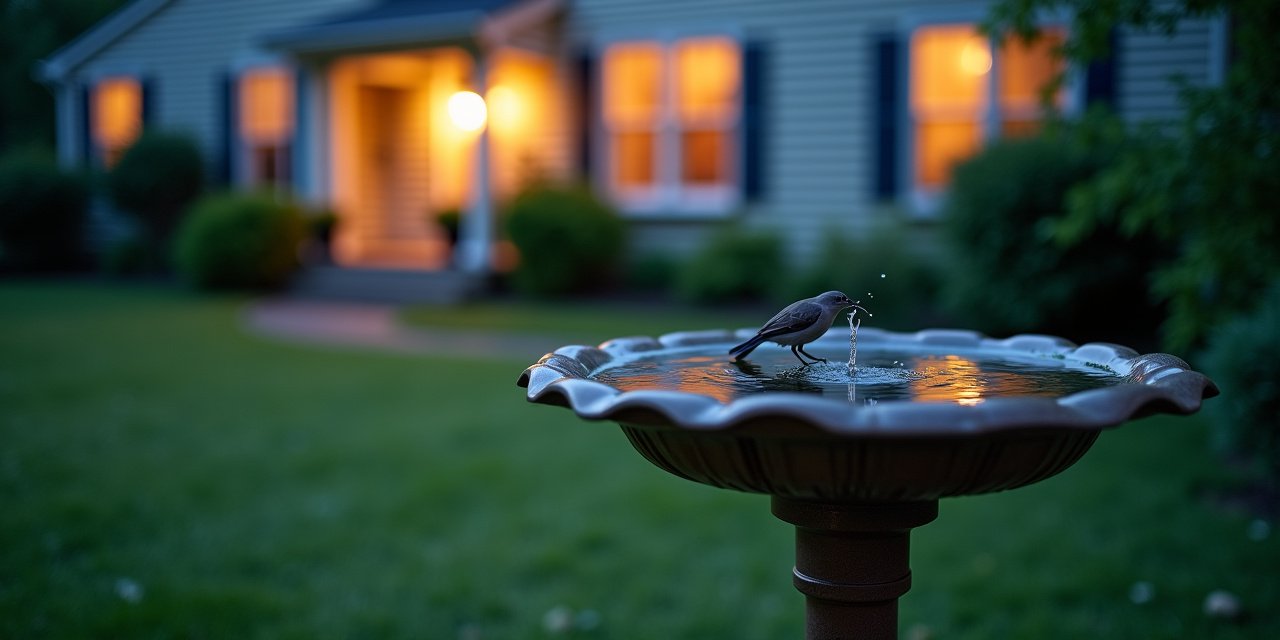
Culex pipiens, the Northern house mosquito, is responsible for nearly all local West Nile transmission. It's not the aggressive daytime biter most homeowners picture when they think "mosquito problem." It's most active at dusk and dawn, and it breeds almost exclusively in stagnant water that contains organic matter: clogged gutters, catch basins, neglected birdbaths, and unused kiddie pools.
Culex builds its population steadily through July and August in Westchester, which lines up with when West Nile activity typically peaks regionally. Birds are the natural reservoir for the virus. Culex mosquitoes pick it up feeding on infected birds, then transmit it to people and pets in later bites.
Culex pipiens
Primary West Nile vectorDusk and dawn
Stagnant water with organic matter: gutters, catch basins, birdbaths
Primary West Nile virus vector in this region
Aedes albopictus
Asian tiger mosquitoDaytime, aggressive biter
Micro-sources: tree holes, pot saucers, bottle caps
Lower West Nile risk locally; nuisance biting is the main issue here
West Nile Season · Scarsdale & Westchester
Culex populations build through August. A barrier treatment now suppresses the species actually driving West Nile risk.
Pristine Pest connects Westchester homeowners with licensed mosquito control providers. Lead gen service · read disclaimer.
Call (877) 938-6799Check Your Property: Culex Breeding Sites
Because Culex needs standing water with organic debris, not clean water, the sites people overlook are usually the worst offenders. Use this checklist to walk your property.
Culex Breeding Site Checklist
Check off anything currently true on your property.
Symptoms and When to Take It Seriously
Most people infected with West Nile virus have no symptoms at all. About 1 in 5 develop fever, headache, body aches, or fatigue that resolves on its own. Severe neurological illness is rare, but the risk rises for people over 60 or with weakened immune systems. Sudden high fever or confusion after a mosquito bite warrants prompt medical attention.
What Actually Reduces Risk
Source reduction comes first: eliminate standing water weekly, since Culex can complete its life cycle in as little as a week during peak summer heat. For water features you can't drain, BTI larvicide dunks kill larvae without harming fish, birds, or pets. A professional barrier spray targets adult mosquitoes in resting vegetation, covering the sites you can't fully eliminate on your own.
For the full season timeline and when to start treatment, see our guide on mosquito season timeline 2026. For how barrier spray actually works, see mosquito yard treatment. Our mosquito control page covers full seasonal programs.
Frequently Asked Questions
Which mosquito carries West Nile virus in Westchester?
Culex pipiens, the Northern house mosquito, is the primary vector. It breeds in stagnant water with organic matter and is most active at dusk and dawn.
Is the Asian tiger mosquito a West Nile risk?
Aedes albopictus is a much lower West Nile risk than Culex pipiens here. It's mainly a daytime nuisance biter, but it still breeds prolifically in small containers around a property.
What are the symptoms of West Nile virus?
Most infected people have no symptoms. About 1 in 5 develop fever, headache, or body aches. Severe neurological illness is rare but more likely in people over 60.
How do I reduce West Nile risk around my house?
Eliminate standing water weekly and add BTI dunks to features you can't drain. Pair source reduction with a professional barrier spray for hidden breeding sites.