Mosquito Season Timeline 2026: When to Start and Stop Treatment in Westchester County
Most Westchester homeowners start thinking about mosquito control in July, after they have already lost June to a season that was fully established by late May. This guide gives you the 2026 month-by-month calendar so you can time treatment to the biology, not to the first complaint.
Michael Corsetti
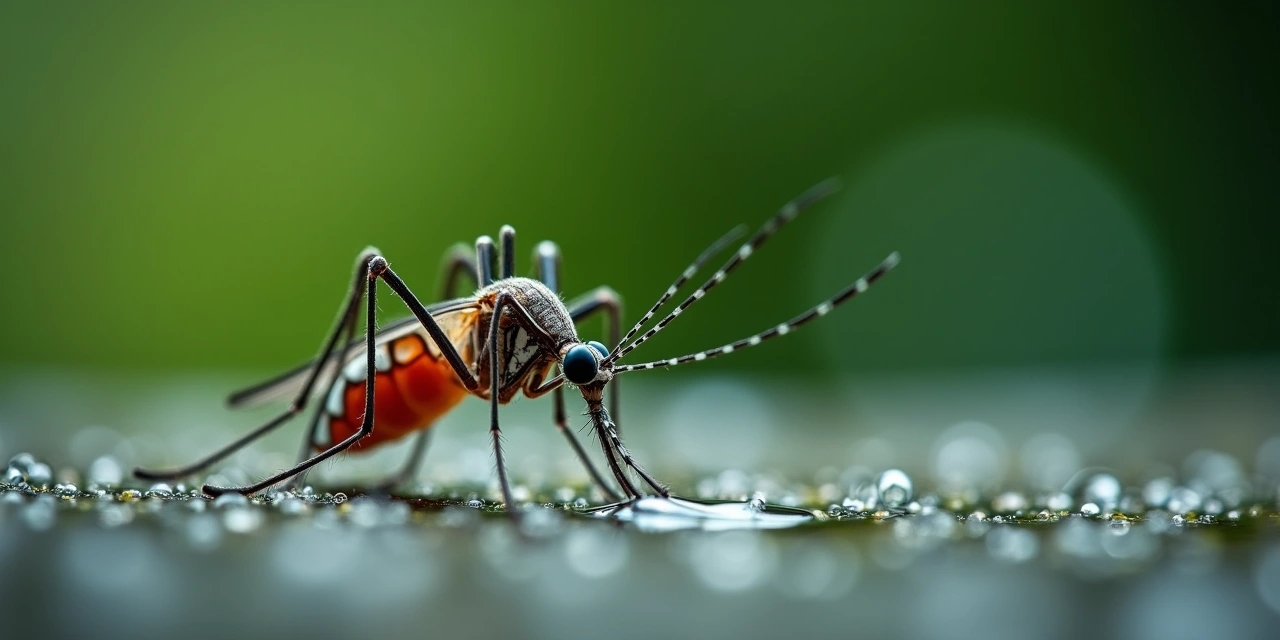
2026 Season Start: Westchester County's mild 2025–2026 winter accelerated early mosquito development. First barrier spray treatment should be scheduled for mid-May, earlier than the traditional Memorial Day start. Updated: May 2026.
Why Timing Is Everything for Mosquito Control
Mosquito control in Westchester County is not a single event. It is a season-long program that works through consistent 21-day re-treatment cycles. But the effectiveness of that program depends heavily on when you start. Beginning treatment after populations have already established and adults are biting means spending the first one or two treatment cycles reducing a peak population rather than suppressing an emerging one. Starting at the right time means your property is protected from the first warm weekend of the season, not three weeks into it.
The biology that governs treatment timing is straightforward: Culex pipiens (Northern house mosquito) and Aedes albopictus (Asian tiger mosquito) both become active once sustained daytime temperatures exceed 50°F and overnight temperatures stay above 40°F. In Westchester County, that threshold is typically crossed in late April to early May. Adults do not need to develop from eggs before becoming a problem. Overwintered adult Culex mosquitoes that survived winter in sheltered areas (basements, hollow trees, storm drains) become active and begin biting as soon as temperatures permit, without any development lag.
Culex pipiens matters beyond nuisance biting: it's the primary West Nile virus vector in this region. See our breakdown of which mosquito actually carries West Nile virus in Westchester and where it breeds on a typical property.
Month-by-Month Mosquito Calendar for Westchester County 2026
March–April: Pre-Season Preparation
Mosquitoes are not yet biting, but this is the optimal window for property preparation. Walk your yard and identify every potential standing water source: gutters, birdbaths, tarps, low spots in the lawn, decorative pots, and any container that can collect rain. Drain or treat them before the season begins. Cleaning gutters in April is one of the highest-impact pre-season actions for Culex control. Clogged gutters holding organic debris and water are productive breeding sites that can generate hundreds of mosquitoes per week once temperatures warm.
If you are enrolling in a seasonal mosquito program, April is also the time to schedule your first service visit. Treatment schedules book up in May as demand increases. Securing your first appointment in April ensures you begin on time.
May: Season Opens (First Treatment Window)
Mid-May is the correct start date for mosquito barrier spray in Westchester County for 2026. The 2025–2026 winter was milder than average, which has accelerated the development timeline compared to a typical year. Overwintered adult Culex mosquitoes are already active; Asian tiger mosquito eggs (which overwinter in the egg stage) are beginning to hatch as soil temperatures rise.
First treatment: barrier spray to perimeter vegetation, understory shrubs, and shaded resting areas; larvicide treatment to all identified standing water sources. If you have a water feature, decorative pond, or low-lying area that retains water, larvicide treatment at this visit is critical. A single untreated breeding site can continuously resupply adults regardless of how thorough your barrier spray is.
For properties that also want tick protection through this period, LymeShield covers both deer ticks and mosquitoes in a single combined program starting in May, the most efficient option for wooded properties or those with deer pressure.
June: Rising Populations, High-Value Month
June is when mosquito pressure accelerates sharply in Westchester. Warmer temperatures shorten the mosquito development cycle from egg to adult: a cycle that takes 14 days at 70°F takes only 7 days at 80°F. June's second and third treatment visits (at 21-day intervals from a mid-May start) fall precisely when this population acceleration is occurring, providing the most impact.
June is also when Asian tiger mosquito populations build to significant levels. Unlike Culex, which breeds primarily in standing water, Aedes albopictus exploits micro-breeding sources (tree holes, flower pot saucers, leaf axils) that are impossible to eliminate completely. Barrier spray coverage of shrubs and understory vegetation is the primary tool for managing adult tiger mosquito populations during this period.
July–August: Peak Season
Peak mosquito season in Westchester County runs from mid-July through late August. Both Culex and Aedes populations are at maximum density. Heat and humidity extend evening biting activity later into the night for Culex and keep daytime Aedes activity high through the afternoon. This is the period when untreated properties are most unpleasant and when treated properties notice the most dramatic difference.
Maintain 21-day treatment intervals without gaps. A single missed treatment during peak season allows populations to rebuild to near-baseline levels within two to three weeks, effectively resetting two months of suppression work. If heavy rainfall occurs between scheduled visits and washes away barrier product, contact your service provider about a supplemental application rather than waiting for the next scheduled visit.
September: Extended Season, Declining Pressure
September remains an active mosquito month in Westchester, though pressure begins declining after Labor Day as night temperatures drop. Culex mosquitoes begin transitioning to their overwintering behavior (seeking sheltered sites) while Asian tiger mosquitoes remain active until the first frost. September treatment should continue on schedule for properties that use outdoor living spaces through the fall.
This is also the peak season for spotted lanternfly adult aggregations, which attract yellowjackets feeding on honeydew. If you are managing both mosquito pressure and stinging insect activity in September, contact your pest management provider to assess whether both issues can be addressed in a single visit.
October: End of Season
The first hard frost (typically occurring between mid-October and early November in Westchester County) ends the active mosquito season. Adult Culex mosquitoes die or enter diapause; Asian tiger mosquito eggs are already laid and will overwinter in the soil. The final barrier spray treatment for the season is typically scheduled for late September or early October depending on the forecast.
There is no benefit to continuing treatment after the first frost. The last Aedes albopictus adults will be killed by the frost itself. Canceling treatment at the appropriate time is part of a well-managed seasonal program, and your provider should be informing you of the end-of-season timing rather than running treatments through November on schedule.
The Treatment Gap Problem
The single most common mosquito control mistake Westchester homeowners make is starting treatment too late and ending it at the right time, producing a season with two fully protected months (August–September) and two months of uncontrolled pressure (May–June) when outdoor entertaining is at its peak.
The second most common mistake is skipping a treatment during the season due to scheduling conflicts or cost, then expecting the next treatment to restore full suppression immediately. It does not. The skipped 21-day window allows a generation of new adults to emerge, bite, and breed. The suppression gap requires the next two treatment cycles to recover rather than one.
For a full breakdown of what a professional mosquito program includes, including event-based single treatments for outdoor gatherings, see our mosquito control service page.
Written by
Michael Corsetti
Structural Pest Control Specialist
Specializing in wood-destroying insect identification, structural damage assessment, and integrated treatment programs for Westchester County's historic residential stock.
Keep Reading
Related Articles
Mosquito Control Services in Scarsdale & Westchester
Barrier spray programs, larvicide treatment, and 21-day re-treatment cycles. Single-event treatments also available for outdoor gatherings.
LymeShield Tick & Mosquito Program
Full-season combined protection against both deer ticks and mosquitoes, the recommended program for wooded properties with deer pressure.
The Seasonal Pest Calendar for Westchester County Homeowners
Month-by-month pest pressure cycles: what's active when and when to act before infestations establish.