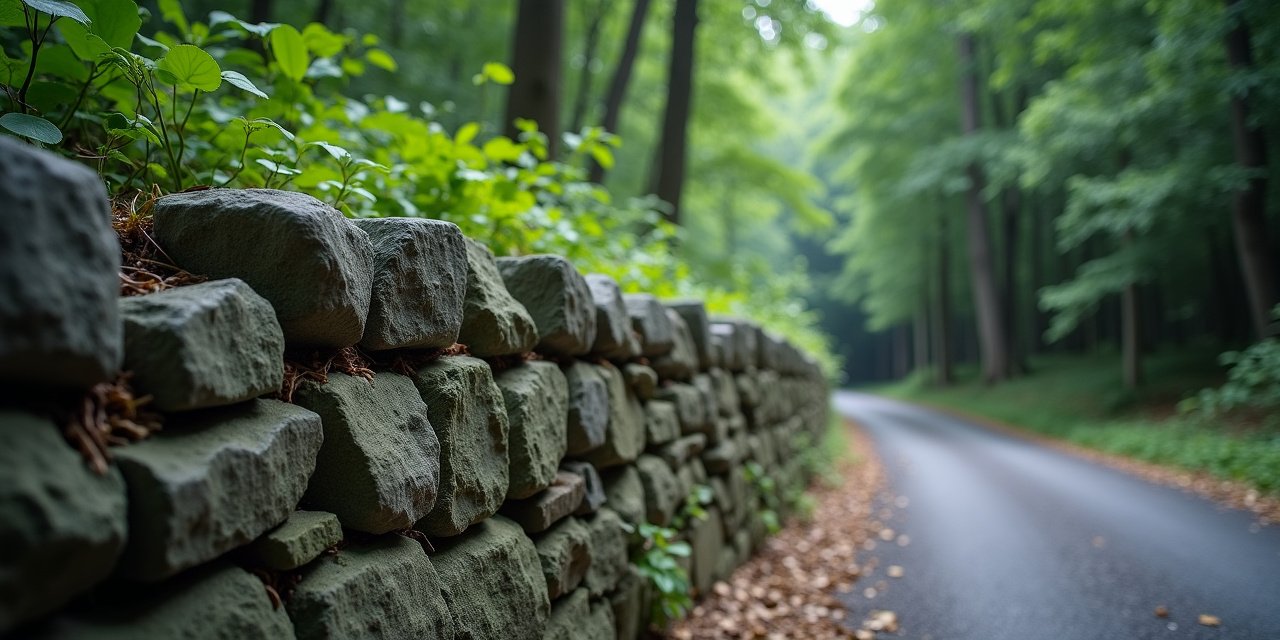
A tick walkthrough takes about twenty minutes once you know where to look. Bronxville's stone walls and wooded lot lines create ideal tick habitat. This checklist shows exactly where to check first.
This piece focuses on the walkthrough itself, not full-season control. For year-round coverage, see our full tick control services in Bronxville.
Most Bronxville lots share a similar layout: lawn, then a wooded or stone-walled edge. That edge is where this checklist starts.
Walk your property's outer edge first: stone walls, wooded lines, shaded groundcover. These spots hold the humidity and shade ticks need. Check them before nymph season peaks in May, then again each September.
Medical disclaimer: This is general education, not medical advice.
Ticks, mosquitoes, and rodents can carry disease.
If you suspect exposure or symptoms, consult a qualified healthcare provider.
- Westchester County is one of the highest Lyme disease counties in New York State.
- Nymph season runs May through June, the highest-risk window for bites.
- Adult tick activity resurges each fall, typically September through November.
- Property edges hold the highest tick density on most Bronxville lots.
- A single walkthrough takes about twenty minutes for an average-sized lot.
Bronxville's Tick Hotspots: Stone Walls and Wooded Lot Lines
Bronxville's stone walls and wooded lot lines are part of the village's charm. They're also prime tick habitat.
Ticks need three things to survive between meals: shade, moisture, and a host walking past. An old stone wall supplies the first two easily. Gaps between the stones trap humidity, and moss on top blocks the sun.
Wooded lot lines supply the third piece. Deer and small mammals travel these edges constantly. They move between yards and the village's wooded pockets near the river.
The result is a narrow band along the property edge. It's usually the outer 10 to 15 feet of the lot. That's where nymphal ticks concentrate most.
Nymphs are barely bigger than a poppy seed. Knowing what a nymph actually looks like matters. Their size is exactly what makes them easy to miss.
Bronxville lots tend to run small. Homes often sit close to wooded borders, which shrinks the buffer zone.
Ornamental groundcover like ivy, pachysandra, and vinca also holds moisture well. These plantings are common along Bronxville foundations and walkways. Treat them the same as a wooded edge during your walkthrough.
A short stretch of open lawn does less to slow a tick than most assume. What actually matters is shade and ground moisture, not distance from the house.
The village's proximity to the Bronx River corridor keeps deer traffic steady through backyards. That traffic is exactly what moves ticks from the woods onto a lawn.
Step-by-Step Property Walkthrough Checklist
Walk this route in order, starting at the property line and working toward the house. Check off each step as you go.
Each stop targets a spot where ticks wait for a host to pass. Working outside-in keeps you from missing the highest-risk areas first.
Do the walkthrough on a dry day. Wear light-colored clothing so you can spot ticks on yourself before they attach.
Bring a small mirror or phone camera to check hard-to-see spots. The back of your knees is a common spot ticks attach. Ticks often ride inside on clothing before anyone notices them.
Check pets after they've been in the yard. Look closely around the ears and between the toes. A tick can move from a pet to a person just as easily.
- Stone walls and wooded lot lines carry the highest tick risk on Bronxville properties.
- Nymphs are the hardest stage to spot, and the most likely to transmit Lyme disease.
- Walk the property twice a year, once in spring and once in early fall.
- Check pets and clothing after time spent near the wood line or stone walls.
Tick Prevention · Bronxville, NY
Get Pest Protection in Bronxville
100% satisfaction guarantee. If pests return between visits, we re-treat at no extra charge. Get connected with a licensed pest management professional serving Bronxville today.
Call (877) 938-6799Habitat Modification Tips
A single walkthrough tells you where the risk sits. Habitat changes keep that risk from building back up.
Mow a three-foot buffer of short grass along the base of every stone wall. Ticks avoid open, sunlit turf, so this buffer works as a barrier.
Clear leaf litter from under trees and hedgerows each fall. Fallen leaves are one of the most common harborage sites on a wooded lot.
Move woodpiles at least twenty feet from the house and off the ground. Prune vegetation growing over stone walls so sunlight reaches the surface again.
Keep bird feeders away from patios, play areas, and seating. Feeders draw small mammals that carry ticks straight into high-traffic parts of the yard.
Consider a three-foot wood-chip or gravel border between lawn and woods. Ticks are reluctant to cross dry, open material to reach a host.
Deer-resistant plantings reduce the animal traffic that carries ticks onto a property. Boxwood, barberry, and lavender are common choices that deer tend to avoid.
Tick tubes, cardboard tubes filled with treated cotton, target the mice that carry immature ticks. Placing a few near the stone wall base adds another layer of control.
Keep grass mowed short throughout the growing season, especially along fence lines. Tall grass anywhere on the lot gives ticks the humidity they need to survive.
A few more changes are worth adding to your seasonal routine.
- Rake and remove leaf litter from stone wall bases every fall, along with the lawn.
- Trim low tree branches that let deer bed down close to the house.
- Relocate compost piles and brush piles away from patios and play areas.
- Space plantings near walkways so foliage doesn't brush against passersby.
When a Walkthrough Reveals You Need Professional Treatment
Some findings mean the checklist alone won't be enough.
A stone wall running the whole property is too much to treat by hand. The same goes for a wooded lot line that borders several neighboring yards.
A tick bite or Lyme diagnosis in the household is a signal to act now. Ticks are a vector for a disease that's common in this county.
A dog bringing ticks inside repeatedly is another warning sign. That points to an active population, not a one-off encounter.
A high nymph count on the checklist itself is another reason to call for help. Nymphs are hard to treat precisely because they're hard to see.
Professional treatment usually means a targeted barrier spray along these exact hotspots. It's timed to hit ticks before the spring nymph peak and the fall resurgence.
Booking early in the season gives the widest treatment window. Waiting until nymph season peaks narrows how much protection a single visit can provide.
Our tick and mosquito control program targets these exact spots. Stone walls and wooded edges are the zones a checklist can flag but can't treat. It's available to homeowners throughout our Bronxville service area.
A few findings from the walkthrough usually point toward calling a professional:
- A stone wall or wooded edge that runs the length of the property, too much ground to treat by hand.
- Ticks found repeatedly on pets or family members despite regular yard maintenance.
- A prior Lyme disease diagnosis or tick bite in the household this season.
- Heavy leaf litter, brush, or groundcover that can't be fully cleared through habitat work alone.
Frequently Asked Questions
How often should I walk my Bronxville property for ticks?
Twice a year covers most properties. Spring walks catch ticks before nymphs become active. Fall walks catch the season's adult tick resurgence.
Are stone walls really that big a tick risk in Bronxville?
Yes, stone walls hold the shade and moisture ticks need most. Gaps and moss-covered sections are especially attractive. A wall near woods is higher risk than one in open sun.
What's the best time of year to do this walkthrough?
Late April through early May, right before nymph activity peaks in Westchester. A second walkthrough in September catches the fall tick resurgence. Do it before leaf drop increases harborage around the yard.
Can I treat tick habitat myself, or do I need a professional?
The checklist itself is DIY. Habitat changes like trimming brush and clearing leaf litter help too. Heavy tick activity along a wall or wooded edge calls for a licensed provider instead.