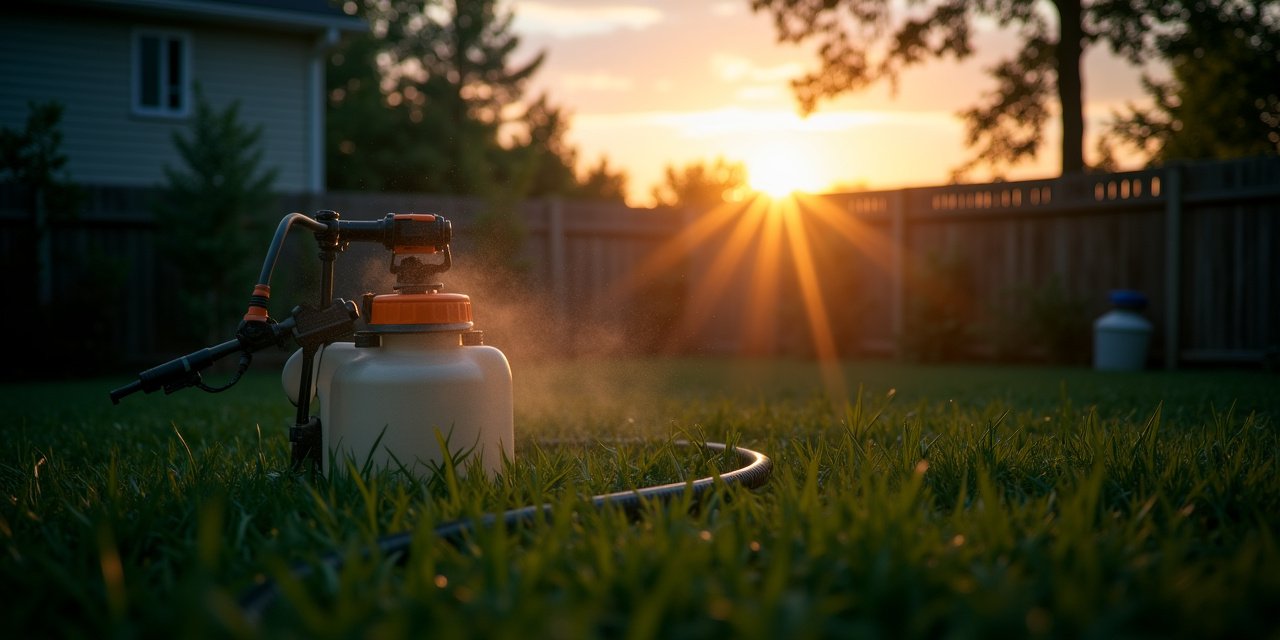
Start mosquito barrier treatment in mid-May in Westchester County. Book the visit in April, before provider schedules fill up. A mid-May start catches the population early, not late.
Medical disclaimer: This is general education, not medical advice.
Ticks, mosquitoes, and rodents can carry disease.
If you suspect exposure or symptoms, consult a qualified healthcare provider.
Most homeowners call the week they get bitten on the porch. By then, the season already has weeks on you. Timing beats every other variable in mosquito control.
This guide is about the monthly protocol, not just the trigger date. For the population data behind Westchester's 2026 timing shift, see the 2026 season-shift data. For how barrier spray actually works, read the treatment methods themselves.
Westchester weather doesn't run on a fixed calendar. Some years the ground warms early. Other years a cold snap holds the season back.
The protocol below adapts either way. It's built around what to do, not one locked date.
- Start barrier spray and larvicide by mid-May, book the visit in April.
- Run the standing-water audit in March and April, before season opens.
- Hold re-treatment to a 21-day interval straight through peak season.
- Coordinate mosquito and tick visits so one trip covers both.
- Bites before your first visit are an early-season warning sign.
The Monthly Treatment Protocol, Month by Month
Treat mosquito season as a six-month protocol, not a single call. Each month has a specific job.
Missing one month doesn't mean skipping the whole season. It means catching up as fast as you can. The protocol still works, just compressed.
March: Walk the Property
March is inspection month, not treatment month. Walk the yard and mark every spot that holds water. Call your provider now, before the April rush fills the calendar.
Check garages, sheds, and leaf litter piles too. Overwintering adult mosquitoes hide in these spots until temperatures climb. A quick look now tells you what you're dealing with before the season starts.
April: Book and Prep
April is when you lock in your first visit. Providers fill their May calendars fast once the weather turns. Clean gutters and empty anything holding water from spring rain.
This is also the month to ask about a combined tick and mosquito package. Most providers price it lower than booking two separate services. It also means one less date to remember.
May: First Barrier Spray and Larvicide
Mid-May is when the first treatment actually happens. A technician applies barrier spray to shrub beds, fence lines, and shaded resting spots. Any standing water gets larvicide the same visit, not a separate trip.
Shaded resting spots means the underside of shrub leaves, not open lawn. Mosquitoes dehydrate fast in direct sun, so they avoid it. A technician who skips the shrub interior is wasting the trip.
June: Second and Third Cycles
June is when the population accelerates fastest. Your second and third treatments land here, spaced 21 days apart. Skipping either one lets the population catch back up.
Watch for the first bites during this window. A bite in early June is worth a call to your provider. It might mean an untreated water source close by.
July and August: Hold the Line
Peak season runs mid-July through late August most years. This is not the month to skip a scheduled visit. A missed treatment during peak season resets weeks of progress.
If a storm washes out coverage between visits, don't wait for the next cycle. Ask about a supplemental application instead. Peak season is the worst time to have a gap.
September and October: Wind Down, Don't Stop
Pressure eases after Labor Day, but it doesn't disappear. Culex pipiens stays active until the first hard frost. Keep the interval through October if you still use the yard.
Use the final visit to do one more water check before winter. Drain anything you're storing outdoors, like kiddie pools or wheelbarrows. That closes off next spring's head start for the population.
- 21 days: the interval that keeps barrier spray coverage continuous
- Mid-May: the standard start date for the first treatment
- 6 to 8 visits: the typical treatment count across a full season
- May and June: the window nymphal ticks and early mosquitoes overlap
Mosquito Control · Westchester County
Reclaim Your Yard This Summer
One barrier treatment suppresses adult mosquito populations for about three weeks. Pristine Pest connects you with licensed mosquito control providers. They build a full-season protocol around your calendar.
Call (877) 938-6799Standing-Water Audit Timing
A standing-water audit isn't a one-time chore. Do it in March, again in April, and once more in June. New sources show up all season: clogged gutters, kiddie pools, tarps.
Check birdbaths, plant saucers, and low spots in the lawn weekly. A tablespoon of water is enough for a full larval cycle. Gutters deserve extra attention in April, before spring leaves clog them again.
Ponds and water features need BTI instead of drain-and-dump. It kills larvae within days, harmless to fish and pets. Ask your provider to include it in the May visit.
Overlooked spots add up fast on most properties. Wheelbarrows, dog bowls left outside, and tire swings all qualify. So does the tray under a potted plant on the porch.
Set a recurring reminder instead of relying on memory. A five-minute walk every week catches new sources before they finish a larval cycle. That's the whole audit, repeated all season.
Rain barrels need a screen or a monthly BTI dunk. Either one works, but pick one and stick with it. An open rain barrel is one of the most productive breeding sites on a property.
Signs You Started Too Late
A few signs mean the season beat you to it. Bites showing up before you've scheduled a visit is the clearest one. Seeing mosquitoes at midday, not just dusk, is another.
Large numbers resting on siding or under eaves means the population already established. So does finding larvae wriggling in a birdbath you hadn't checked. None of these mean start over, but they do mean move fast.
Egg rafts floating on still water are another late sign. They look like small dark rafts sitting on the surface. If you spot one, treat that water immediately, don't wait for the next visit.
A sudden jump in complaints from neighbors is a warning sign too. If several neighbors mention mosquitoes the same week, the local population has spiked. Treatment timing matters even more once that happens.
If any of these show up, don't wait for your next scheduled cycle. Call and ask about an accelerated first treatment instead. Catching up costs more than starting on time, but it beats doing nothing.
Re-treatment Intervals
The 21-day interval isn't arbitrary. It matches how long a barrier treatment stays active on leaves and stems. Push past 21 days and coverage starts to fade before the next visit.
Heavy rain shortens that window. A hard storm can wash away enough product to cut effective coverage to two weeks. Ask your provider about a supplemental visit if a big storm hits between cycles.
Missed visits compound. One skipped treatment doesn't just lose that cycle's protection. It gives the population two to three weeks to rebuild toward baseline.
Professional programs schedule visits automatically, so you're not tracking the calendar yourself. That's worth something during a busy summer. DIY treatment puts the whole burden of timing on you.
Some providers offer a slightly shorter interval for wooded or low-lying properties. Ask if your yard qualifies. A 17-day cycle instead of 21 makes sense for heavier mosquito pressure.
Coordinating Mosquito and Tick Treatment on the Same Schedule
Mosquito season and tick season overlap for most of the year. Both peak in May and June, right when you're booking that first mosquito visit. Running them as one program saves a trip and a decision.
Many Westchester providers offer combined programs that treat both pests in one visit. The technician covers shrub beds and standing water for mosquitoes. Then comes the lawn perimeter and wooded edges for ticks.
The two pests live in different zones of the same yard. Mosquitoes rest in shrub beds and shaded understory. Ticks wait in tall grass, leaf litter, and the lawn edge.
A combined visit means the technician covers both zones in one trip. That's less disruption to your property and less coordinating on your end. It also means neither pest gets a treatment gap while you wait on the other.
Ask specifically whether the combined program is priced as one service or two. Some providers bundle pricing, others just schedule visits together. Either way, you want both pests covered without gaps.
Weighing DIY against a pro? See coordinating with tick treatment for the full comparison. Asian tiger mosquitoes complicate that plan: see the daytime-biting species standard timing can miss.
Frequently Asked Questions
When should I start mosquito treatment in Westchester?
Book your first barrier spray and larvicide visit for mid-May. Schedule the appointment in April, since provider calendars fill fast once the weather turns warm.
How long does mosquito season last in Westchester County?
Mosquito season typically runs from mid-May through the first hard frost in October. Culex pipiens stays active longest, often into late fall.
What happens if I start mosquito treatment too late?
Your first visits spend their effort knocking down an established population. That's different from preventing one before it forms. You'll also see more bites and mosquitoes on siding before the program catches up.
Can I coordinate mosquito and tick treatment on one schedule?
Yes, most Westchester providers offer combined programs. One visit treats shrub beds and water for mosquitoes, then the perimeter for ticks.
How often does mosquito treatment need to happen during peak season?
Every 21 days, without gaps, from May through August. Heavy rain can shorten that window. Ask about a supplemental visit after a big storm.
Do I need mosquito treatment if my neighbor doesn't treat their yard?
Yes. Mosquitoes fly between properties, so an untreated yard nearby still affects you. Barrier spray on your own property still cuts your exposure significantly.
What if I missed the mid-May start date?
Call your provider and ask for an accelerated first treatment. You'll be treating an established population instead of preventing one. Starting late still beats not starting at all.
Does rain affect the mosquito treatment schedule?
Yes, heavy rain can wash away barrier spray early. Ask your provider about a supplemental visit if a big storm hits mid-cycle. Don't just wait for the next scheduled date.
Is a combined mosquito and tick program more expensive than mosquito alone?
Usually not by much. Many providers price the bundle close to a single-pest program. Ask for a written quote before you compare costs.