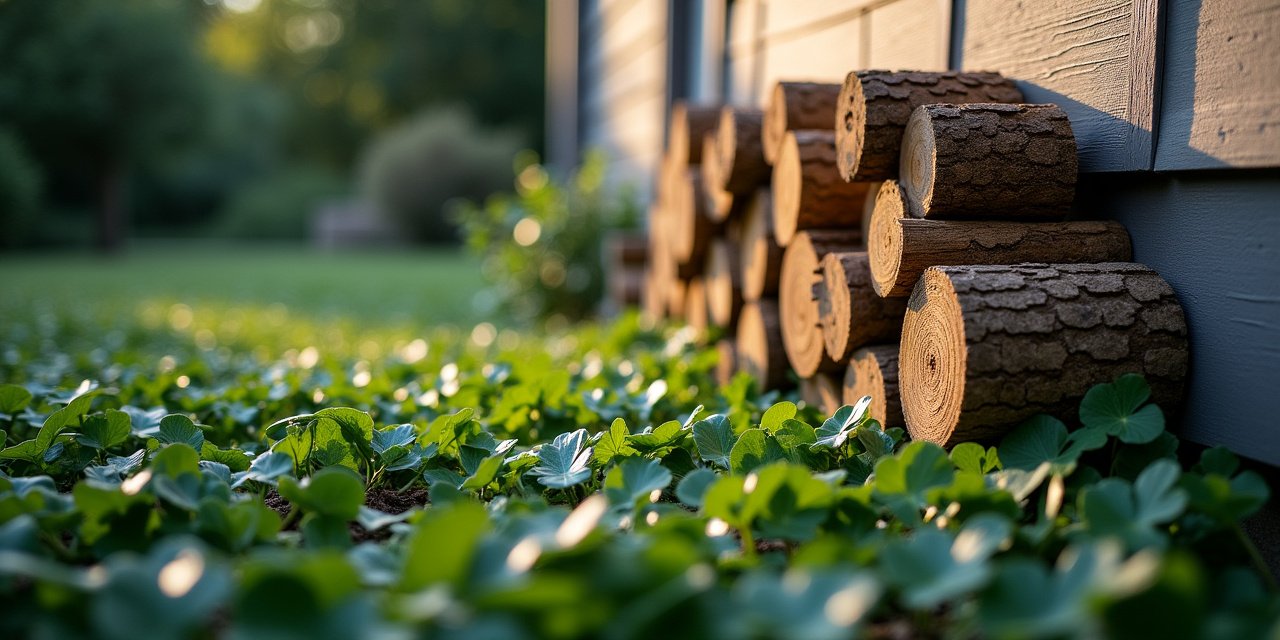
Most Westchester homeowners walk past the exact spots pests use to get inside. A stacked woodpile against the siding. Ivy growing thick against the foundation. A tarp-covered grill holding a few inches of rainwater. None of it looks dangerous. All of it is an open invitation.
These are harborage sites: places that give pests shelter, warmth, or moisture close to your home. Finding and clearing them is one of the few prevention steps a homeowner can handle without a license. This walkthrough covers the six spots inspectors check first, plus the ones people never think to look at twice.
What Counts as Harborage
A harborage site is any spot that offers shelter, warmth, or moisture pests can use for nesting or resting. It doesn't have to be indoors. A woodpile touching the siding, a dense hedge against a wall, or a damp crawlspace vent all qualify.
What makes harborage a real risk isn't the shelter itself. It's the proximity. A woodpile thirty feet away in a shed is just a woodpile. A woodpile stacked against your foundation is a bridge carpenter ants and termites can use to reach the structure without crossing open ground.
Many pests rely on harborage seasonally. Rodents and several insect species use it for overwintering, moving from exposed outdoor sites into protected areas as temperatures drop. A property with harborage close to the house gives them a shorter, safer trip inside.
The Walkthrough: 6 Overlooked Spots
Walk the full perimeter of your property with this list. Most spots take under a minute to check, and most homes have at least one active problem.
Woodpiles and dense groundcover cause the most calls in this area. Firewood stacked against a house wall shelters carpenter ants, termites, and overwintering rodents in the same pile. Ivy that touches siding does something similar above ground, holding moisture against the wall while hiding entry points from view.
Gutters get missed because the problem sits above eye level. Clogged gutters hold standing water and rotting leaf debris, which draw mosquitoes and can soften fascia boards enough for rodents to chew through over time.
Run Your Own Walkthrough
Check off each spot as you inspect it around your property. Your result updates as you go.
Harborage Removal · Scarsdale & Westchester
Found signs of activity at one of these spots? That's worth a closer look before it spreads.
Pristine Pest connects Westchester homeowners with licensed providers who inspect the full perimeter, not just the spot you called about. Call to schedule an inspection.
Call (877) 938-6799What to Do If You Find Active Signs
Checking a box doesn't mean a spot is clear if you see actual activity there. Trails, droppings, chew marks, or wood dust near any of these six spots mean something is already using that harborage.
Removing the harborage still matters, but on its own it only prevents future problems. Moving a woodpile away from the house stops new activity. It doesn't remove a colony that already moved in.
For the entry points pests use once they've found harborage near the house, see our guide on why ants keep coming back every spring. Fall is also when overwintering habits shift indoors, covered in our guide to fall rodent proofing. Our exterminator page covers what a full inspection includes once activity is confirmed.
Frequently Asked Questions
What does harborage mean in pest control?
Harborage is any site that offers shelter, warmth, or moisture pests can use for nesting or resting. It doesn't have to be indoors. Woodpiles against a wall, dense groundcover, and cluttered storage areas all count.
What's the most commonly missed harborage spot?
Clogged gutters are the spot homeowners skip most often, mainly because the problem sits above eye level. Standing water and rotting leaf debris draw mosquitoes and can soften nearby wood enough for rodents to chew through.
How far should woodpiles be kept from the house?
At least 20 feet from the structure, stacked at least 5 inches off the ground on a rack or pallet. That distance keeps carpenter ants, termites, and overwintering rodents from bridging straight into the siding.
How often should homeowners redo this walkthrough?
Twice a year covers most properties: once in spring after snow melt reveals winter damage, and once in fall before pests start looking for shelter. Heavily landscaped properties benefit from a quick check every season.