Most Westchester homeowners try a few prevention steps before ever calling an exterminator. That's smart. But some of the most common DIY moves actually make an infestation worse, not better.
This guide covers five prevention mistakes we see constantly. Each one seems reasonable in the moment. Each one can extend a pest problem for weeks instead of shortening it.
Mistake 1: Repellent Spray on the Wrong Ant Species
Spraying visible ants with a repellent product feels productive. For pavement ants and odorous house ants, it often backfires. The spray triggers colony budding, splitting one nest into several.
Carpenter ants behave differently. Their satellite colonies form as normal growth, not from spray stress. Even so, guessing at species before treating wastes time and money.
Mistake 2: Sealing Entry Points Before Treating
Caulking every gap sounds like the responsible first move. Do it before treatment, and you can trap pests inside instead of keeping them out.
Mice and cockroaches already living in wall voids need an exit, not a permanent seal. Exclusion works best after treatment confirms the pests inside are gone.
Seal the obvious entry points first: gaps under doors, torn screens, chewed weatherstripping. Save foundation cracks and expansion joints for after an inspection confirms nothing is trapped inside.
Mistake 3: Wood and Mulch Piled Against the Foundation
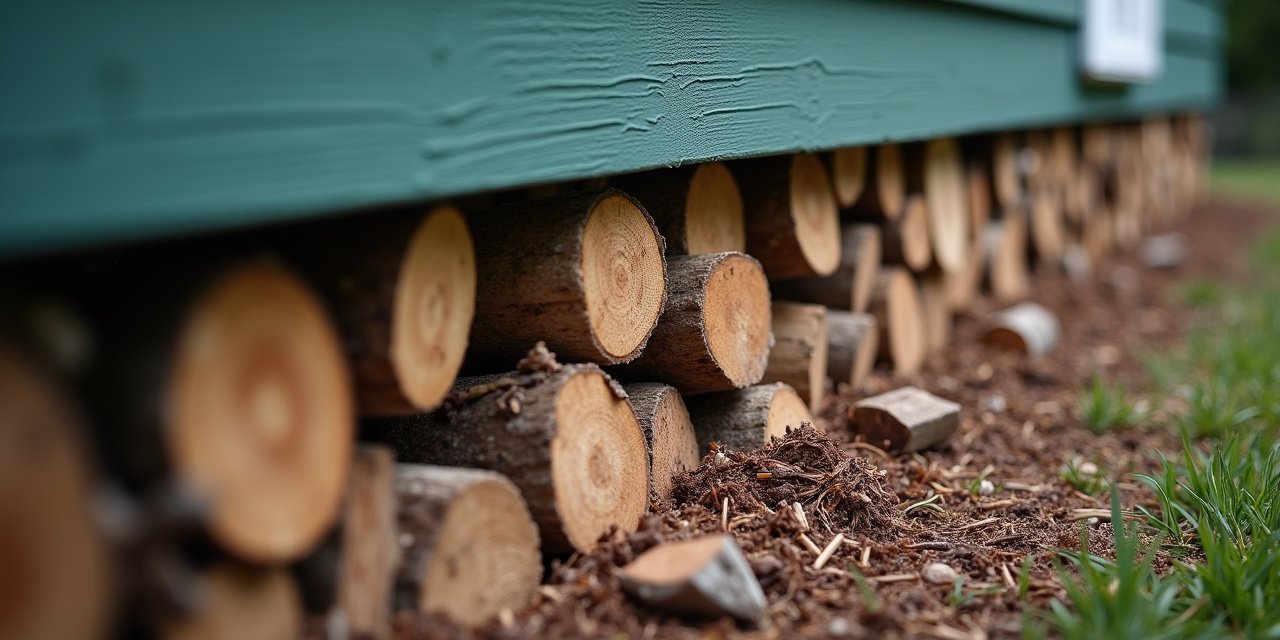
Firewood stacked against the house looks tidy. It's also harborage right next to your siding.
Carpenter ants, termites, and rodents all use woodpiles as a bridge to the house. Thick mulch beds work the same way. Keep firewood at least 20 feet away and stacked off the ground.
Pull mulch back 6 inches from the foundation wall. That small gap makes it easy to spot pest activity before it reaches the house.
Quick Self-Audit: Are You Making These Mistakes?
Check every box that describes your property right now, then see your score.
DIY Prevention Check · Scarsdale & Westchester
Not sure which of these mistakes is keeping your pest problem going?
Pristine Pest connects Westchester homeowners with licensed providers who inspect first. They treat the actual source. Call to schedule an inspection.
Call (877) 938-6799Mistake 4: Ignoring Moisture Sources
A dripping outdoor spigot or a clogged gutter doesn't look like a pest problem. It's one of the biggest ones.
Standing water and damp wood draw carpenter ants, termites, and cockroaches. Fix leaks and grade soil away from the foundation before you spend money on sprays.
A residual treatment on a damp wall breaks down faster. Dry the area first, then treat.
Mistake 5: Treating Symptoms Instead of the Source
Spraying every roach or ant you see feels active. It doesn't fix why they showed up in the first place.
Pests need food and water access to survive indoors. Crumbs behind the stove and pet food left out overnight keep drawing them in. Killing the ones you see doesn't remove the reason they came.
Treating the source, meaning food, water, and shelter together, solves the problem once. That's more effective than spraying every week.
See our guide to DIY pest control methods that actually work for a deeper breakdown. Weighing whether to keep handling it yourself?
Our comparison of DIY pest control versus professional exterminators lays out the tradeoffs. Our exterminator page covers what a full inspection includes.
Frequently Asked Questions
What's the most common DIY pest prevention mistake?
Spraying visible pests without addressing what drew them in the first place. Homeowners kill what they see, then wonder why more show up a week later.
Why does sealing entry points before treatment backfire?
If pests are already inside a wall void, sealing every gap traps them there. That keeps them from finding a way out. Exclusion works best as a follow-up step after treatment.
How does moisture attract pests?
Standing water, damp wood, and high humidity draw carpenter ants, termites, and cockroaches. A dripping spigot or clogged gutter can sustain an infestation on its own.
When is DIY prevention fine, and when should I call a pro?
Sealing gaps and managing moisture are fine for any home, any time. So is moving wood away from the foundation. Recurring activity or a treatment that isn't working means it's time to call a pro.