Why This Species Is Different
Among the roughly 4,000 cockroach species on Earth, Blattella germanica (the German cockroach) is the one pest professionals consider most challenging. It reproduces faster than any other common household pest, develops insecticide resistance quickly and spends most of its life in places that are essentially impossible to treat with spray products. Understanding why changes everything about how treatment must be approached.
The Biology That Makes German Cockroaches Unique
The German cockroach is not just "another cockroach." It is the only common household species that is almost exclusively an indoor species: it cannot survive long outdoors in Westchester's climate and has evolved specifically to exploit the warm, humid microclimates inside kitchens and bathrooms. This specialization makes it exceptionally well-adapted to residential structures and exceptionally difficult to dislodge once established.
🥚 Reproduction rate
A single female produces 4 to 8 egg cases (oothecae) in her lifetime, each containing 30 to 48 eggs. She carries the ootheca until 1 to 2 days before hatching. A single female can produce up to 400 offspring. Under ideal conditions, populations double every 30 to 35 days.
⚡ Development speed
German cockroach nymphs complete 6 molts and reach reproductive maturity in 36 to 60 days at typical kitchen temperatures (75-85°F). This means a population from a single gravid female can include dozens of reproductive adults within two months.
🔬 Insecticide resistance
German cockroaches have demonstrated rapid resistance to pyrethroid insecticides, carbamates and organophosphates in multiple studies. A population exposed to a sublethal spray dose can develop heritable resistance in as few as six generations: approximately six months.
🫙 Egg case protection
The ootheca (egg case) is a hardened protein case that protects eggs from most surface-applied insecticides. Contact sprays applied to surfaces cannot penetrate the ootheca. Any treatment that does not disrupt the reproductive cycle through an IGR will face a new wave of hatching nymphs 30 to 40 days after treatment.
Where German Cockroaches Hide
German cockroaches are thigmotactic: they prefer to press against surfaces on multiple sides simultaneously. They spend approximately 75 percent of their time in harborage: tight, dark, warm spaces close to food and moisture. This is why spray treatments applied to open surfaces often fail: they miss the locations where the population actually lives.
- 1Motor compartment and compressor area of the refrigerator
- 2Under and behind the stove, especially around the gas valve
- 3Void inside the kickplate below base cabinets
- 4Interior of cabinet hinges and door hardware recesses
- 5Inside wall voids adjacent to kitchen plumbing
- 6Behind outlet plates on kitchen walls
- 7Dishwasher frame interior and control panel void
- 8Under-sink plumbing void and moisture-retaining area
- 9Top of the water heater and behind the unit
- 10Inside microwave control panels and clock displays
Why Common Treatments Fail
The Pyrethroid Resistance Problem
Pyrethroid insecticides (bifenthrin, cypermethrin, permethrin and related compounds) are the most commonly available and most commonly applied class of insecticide for general pest control. German cockroach populations in dense urban environments (including multi-unit buildings in Westchester County) have been shown to carry metabolic resistance to pyrethroids in a significant percentage of individuals. Applying a pyrethroid spray to an already-resistant population selects for faster-developing resistance in subsequent generations. This is one primary reason why spray-based treatments frequently fail for German cockroaches while targeted bait-plus-IGR protocols succeed.
Bug bombs and foggers are perhaps the most counterproductive approach for German cockroaches specifically. The aerosol fog penetrates open air but does not reach harborage. Cockroaches flee deeper into wall voids and cracks during fogging, then re-emerge when the fog clears. Populations scatter to previously uninfested areas. Studies have confirmed that fogger-treated apartments showed no meaningful German cockroach population reduction compared with untreated controls.
Repellent sprays near bait cause bait aversion. When a cockroach encounters a repellent insecticide near a bait placement, it associates the area with danger and avoids it. This can make subsequent professional treatment with bait significantly less effective. Homeowners who spray consumer products before professional service reduce the effectiveness of the professional treatment.
Single-product approaches without IGR always face a hatching wave. The ootheca hatches 28 to 40 days after the female deposits it. Any treatment that kills adults and nymphs but does not address the egg population will see significant re-emergence six weeks after treatment as those eggs hatch and nymphs mature.
The Professional Protocol That Works
Effective German cockroach extermination requires a multi-product protocol that simultaneously addresses adults, nymphs and the reproductive cycle. Applying these components in the right locations and in the right combination is what separates professional results from repeated DIY failures.
Inspection and harborage mapping
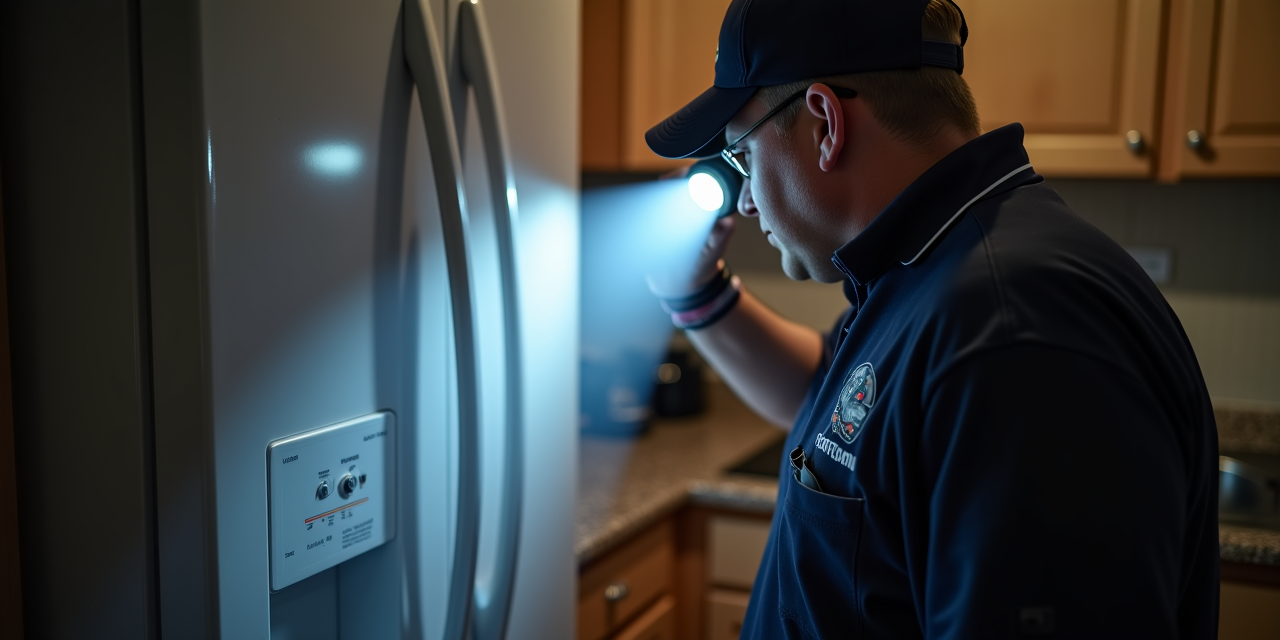
The technician pulls appliances, checks all cabinet interiors and uses a flashlight to locate every active harborage site. Fecal spots and shed skins confirm activity locations. This mapping determines where bait is placed: not guessed.
Gel bait application to harborage sites
Professional gel bait (indoxacarb, fipronil or hydramethylnon active ingredient) is applied in pea-sized placements precisely at confirmed harborage locations: inside cabinet hinges, along the back edges of cabinet shelves, under appliances, in the refrigerator motor area. Bait is not applied to open surfaces or near spray residues.
Insect growth regulator (IGR) application
An IGR is applied to the same harborage zones. The IGR prevents nymphs from maturing to reproductive adults and sterilizes adult females. This is what breaks the egg cycle and prevents the re-emergence wave that defeats single-product protocols.
Desiccant dust in void areas
Boric acid or silica gel dust is applied through small drill points or existing gaps into wall voids behind outlets and under the sink plumbing area. Desiccant dust kills through cuticle damage rather than chemical neurotoxicity and does not trigger resistance.
Follow-up: rebait, assess, address hatchers
Consume bait placements are refreshed. Glue monitors confirm population trajectory (counts should be significantly down). Any newly hatched nymphs from eggs that survived the first treatment are addressed by the residual IGR and fresh bait. The technician adjusts bait placement based on current activity patterns.
Confirmation and close-out
Final inspection confirms elimination. Glue monitor counts should be at or near zero. If any residual activity remains, the source is identified (often a missed harborage or a re-introduction from an adjacent unit) and addressed with additional targeted treatment.
Sanitation's Critical Role
Professional treatment is significantly more effective when the resident completes specific sanitation steps before and during the treatment program. German cockroaches require food, moisture and harborage. Reducing any of these stresses the population and makes bait more attractive relative to competing food sources.
- Store all food in sealed glass or hard plastic containers: paper bags and cardboard boxes provide no barrier
- Clean the refrigerator drip tray and the compressor area before treatment (primary harborage)
- Fix any dripping faucets or slow drains: moisture is as important as food for German cockroach survival
- Clean grease from the stove and behind the range hood before treatment
- Empty kitchen trash daily during the treatment period
- Do not apply any consumer spray products before or during the professional treatment program
- Do not vacuum or wipe up bait placements between visits
Multi-Unit Buildings: The Additional Challenge
German cockroaches spread between units through shared wall voids, plumbing chases and conduit runs. In Westchester County condos, co-ops and older apartment buildings, successful elimination in one unit is often followed by re-introduction from adjacent untreated units. This is why single-unit treatment in a multi-unit building frequently produces temporary rather than permanent results.
Effective multi-unit German cockroach management requires coordinated treatment of all affected and adjacent units simultaneously: and a monitoring program to detect re-introduction from common areas or new units. Property managers who address individual complaints one unit at a time consistently see the problem cycle through the building rather than being resolved.
Frequently Asked Questions
Why are German cockroaches so hard to get rid of?
German cockroaches are the most difficult common household pest to eliminate for four reasons: extraordinary reproduction rate (populations can double every 30 days); rapid development of pyrethroid resistance; mobility into inaccessible harborage areas when disturbed; and egg cases that are protected from most surface chemical treatments. Successful elimination requires a multi-product protocol targeting adults, nymphs and the reproductive cycle simultaneously.
How long does it take to get rid of German cockroaches?
A professional treatment program typically requires two to three visits over four to six weeks. The first visit produces significant population reduction within one to two weeks. The second visit at 14 to 21 days targets newly hatched nymphs. A third visit at 30 days confirms elimination. Severe infestations or multi-unit buildings may require additional visits.
Can I get rid of German cockroaches myself?
DIY treatment is rarely effective for established German cockroach infestations. Consumer-grade products are less effective than professional formulations and consumer application typically misses critical harborage sites. The most significant DIY risk is triggering bait aversion by applying repellent sprays near harborage areas, which makes subsequent professional treatment less effective. Sanitation (eliminating food and moisture) is the most impactful DIY action and significantly supports professional treatment success.
Where do German cockroaches hide?
Primary harborage locations are the refrigerator motor compartment, under and behind the stove, the kickplate void below base cabinets, inside cabinet hinges, cracks behind outlet plates on kitchen walls and wall voids adjacent to plumbing. Secondary locations include the dishwasher frame, the under-sink plumbing void and the interior of appliance control panels.
Does seeing one German cockroach mean an infestation?
A single German cockroach sighting, especially during the day, warrants a thorough inspection. Daytime sightings indicate a population large enough to be pushed out of harborage by overcrowding. A single cockroach at night may represent either an early-stage infestation or a scout from an established population in an adjacent unit. Prompt professional inspection is appropriate in either case, because German cockroach populations can double in as little as 30 days.