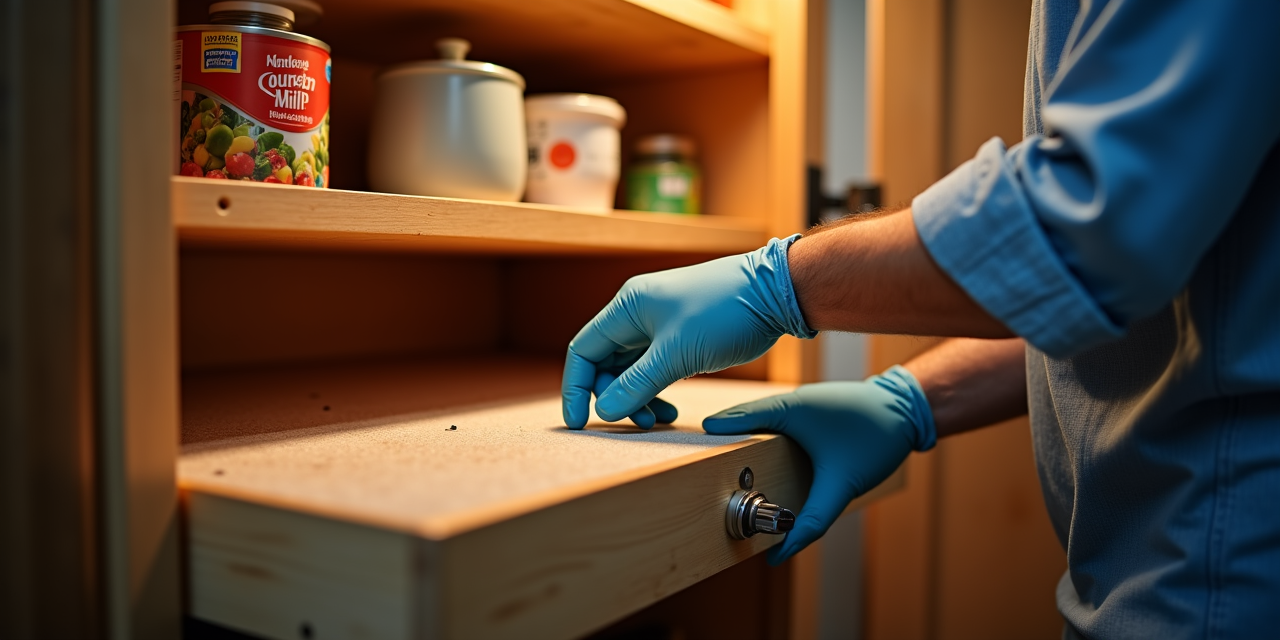
If You Found a Cockroach in Your Kitchen
One German cockroach is rarely alone. These insects spend about 75 percent of their time in harborage: the one you saw represents a larger population you have not seen. The right immediate response: do not spray anything (it will make professional treatment harder), inspect cabinet interiors with a flashlight for fecal spots and shed skins, and schedule a professional inspection within 48 hours.
Identifying German Cockroaches
Accurate species identification matters because German cockroaches require a very different treatment approach than American cockroaches or other peridomestic species. Misidentification leads to mismatched treatment and treatment failure.
🪳 German Cockroach (Blattella germanica)
🪲 American Cockroach (Periplaneta americana)
Signs of a German Cockroach Infestation
German cockroaches produce distinct evidence that is often visible before live insects are seen. Knowing what to look for (and where to look) allows homeowners to identify an infestation early and assess its severity before calling for treatment.
🟡 Early Signs
- Small dark fecal spots (resembling ground black pepper) in cabinet corners and along shelf edges
- Shed nymph skins (translucent, cockroach-shaped) in cabinet interiors or under appliances
- One or two live cockroaches seen only at night in the kitchen
- Egg case (dark brown capsule, about 8mm long) found in a cabinet corner or behind the refrigerator
🟠 Moderate Signs
- Multiple live cockroaches visible at night in the kitchen or bathroom
- Fecal spotting on multiple surfaces: cabinet interiors, behind outlet plates, under the sink
- Multiple egg cases found in more than one harborage location
- Beginning of a musty, oily odor in the kitchen area
- Cockroach activity in areas beyond the primary kitchen harborage
🔴 Severe Signs
- Cockroaches visible during the day (overcrowding forces them out of harborage)
- Cockroaches found in living areas, dining room or bedrooms
- Heavy fecal spotting on open surfaces: counters, cabinet fronts, stove top
- Strong musty odor throughout the kitchen
- Cockroaches visible in the refrigerator motor area when moving the unit
- Visible cockroach population when appliances are pulled from the wall
🔬 Where to Inspect
- Inside all cabinet corners (upper and lower) with a flashlight
- Under and behind the refrigerator (pull it out completely)
- Under and behind the stove
- The kickplate void below base cabinets
- Inside cabinet hinge recesses
- Behind outlet covers on kitchen walls
- The under-sink plumbing area
How German Cockroaches Enter Your Home
German cockroaches are almost exclusively spread through human activity rather than structural entry points. This is a critical distinction: unlike American cockroaches (which you can significantly control by sealing foundation gaps), German cockroaches require understanding and blocking the introduction routes that are specific to infested items and neighboring units.
Grocery bags and cardboard boxes. Retail stores, food warehouses and distribution centers occasionally harbor German cockroaches. Eggs and nymphs in corrugated cardboard boxes are transported into homes every day. Inspect grocery bags before bringing them inside and avoid accumulating cardboard boxes indoors.
Used appliances and furniture. A secondhand refrigerator, microwave or toaster oven is one of the most reliable German cockroach introduction routes. The motor compartment and interior voids of used appliances are primary harborage sites. Any used appliance should be thoroughly inspected before it enters your home.
Adjacent units in multi-unit buildings. In condos, co-ops and apartment buildings, German cockroaches spread through shared wall voids, plumbing chases and conduit runs. A treated unit can be re-infested within weeks from adjacent untreated units. This is the most common reason for treatment failure in multi-unit Westchester buildings.
Personal belongings from infested locations. Moving from an infested home or visiting an infested location and then bringing luggage, bags or clothing into a clean home can introduce German cockroaches. This is less common than the other routes but worth noting for households that have recently moved or hosted guests.
Health Risks of German Cockroach Infestations
German cockroach infestations are not simply aesthetic or emotional problems. They pose documented public health risks that make prompt elimination a genuine health priority rather than a luxury.
Asthma trigger
German cockroach allergens from shed skins, feces and body parts are among the most significant indoor asthma triggers, particularly for children in urban environments
Bacterial spread
Cockroaches mechanically transmit Salmonella, E. coli and Staphylococcus from harborage areas to food preparation surfaces through contact
Allergic rhinitis
Cockroach allergen exposure causes rhinitis and conjunctivitis symptoms in sensitized individuals even without visible cockroach activity
The CDC and the Asthma and Allergy Foundation of America both document cockroach allergen exposure in early childhood as a major risk factor for asthma development in children, particularly in urban environments. In Westchester County, where many families live in older multi-unit buildings, this is a meaningful public health concern that makes German cockroach control a priority beyond simple pest management.
What to Do (and What Not to Do) Before Professional Treatment
The actions you take (or avoid) between discovering an infestation and the professional service visit significantly affect how well treatment works.
Do these things before the service visit:
- Remove all items from cabinet interiors so the technician has full access to harborage areas
- Pull the refrigerator and stove away from the wall (or leave this for the technician)
- Fix any dripping faucets or plumbing leaks that are contributing to moisture
- Clean visible fecal spotting from surfaces (does not affect treatment placement)
- Wash all dishes and store food in sealed containers
Do NOT do these things before or during treatment:
- Do not spray any consumer insecticide product in the kitchen: repellent residue causes bait aversion and makes professional treatment less effective
- Do not use a bug bomb or fogger: cockroaches scatter to new areas and become harder to treat
- Do not vacuum around bait placements after the technician applies them
- Do not wipe down surfaces where the technician applied product (unless specifically instructed)
- Do not bring in a used appliance or any second-hand item during the treatment period
Preventing German Cockroach Re-Infestation
After successful treatment, prevention focuses on eliminating the introduction routes and conditions that supported the original infestation. No home is cockroach-proof, but these steps dramatically reduce the risk of re-establishment.
-
Inspect grocery bags and cardboard boxes Check the exterior and folds of all grocery bags before bringing them inside. Break down and recycle cardboard boxes immediately rather than storing them indoors.
-
Inspect all used appliances before entry Pull the back panel from any used refrigerator, microwave or small appliance and inspect for fecal spotting, egg cases or live cockroaches before bringing the item indoors.
-
Eliminate moisture sources Repair all dripping faucets and slow-draining pipes. Clean the refrigerator drip tray twice a year. Ensure under-sink areas are dry and ventilated.
-
Seal all food in hard containers Paper bags, cardboard boxes and loose plastic bags do not deter German cockroaches. Store pantry staples in sealed glass or rigid plastic containers.
-
Clean behind appliances regularly Grease accumulation behind the stove and in the refrigerator compressor area provides both food and harborage. Clean these areas twice per year at minimum.
-
Request coordinated treatment in multi-unit buildings If you live in a condo, co-op or apartment, inform building management and request that adjacent units be inspected and treated simultaneously. Single-unit treatment without addressing neighbors produces recurring infestations.
-
Schedule a 60-day follow-up inspection A professional inspection 60 days after treatment confirms no re-establishment from missed harborage or re-introduction. Catching any residual activity at this stage is far easier than addressing a re-established population.
Frequently Asked Questions
What are the signs of a German cockroach infestation?
The earliest signs are fecal spotting (small dark marks resembling ground pepper in cabinet corners and along shelf edges), shed skins in harborage areas and egg cases (brown capsule-shaped oothecae) in cabinet corners or behind appliances. A musty oily odor in the kitchen indicates a significant population. Daytime cockroach sightings mean a large population forced out of harborage by overcrowding.
How do German cockroaches get into your home?
German cockroaches almost always enter through infested items rather than structural entry points. Common routes include grocery bags and cardboard boxes, used appliances, personal belongings moved from an infested apartment and spread from adjacent units through shared wall voids in multi-unit buildings. Unlike American cockroaches, German cockroaches do not typically enter from outdoors.
How serious is a German cockroach infestation?
German cockroach infestations are serious health concerns. They produce allergens that are a documented trigger for asthma and allergic rhinitis, particularly in children. They mechanically transmit Salmonella, E. coli and Staphylococcus through contact with food preparation surfaces. Populations can grow to thousands of individuals within months if untreated. Early treatment is significantly more effective and less expensive than treating an established large infestation.
How can I tell if I have German cockroaches or American cockroaches?
German cockroaches are small (0.5 to 0.6 inches), light tan to brown with two dark parallel stripes behind the head. They are almost always found in kitchens and bathrooms. American cockroaches are much larger (1.5 to 2 inches), reddish-brown with a yellowish figure-8 behind the head and typically enter from outside or come up from basements and drains. If the cockroach appeared in your kitchen and was small, it is almost certainly a German cockroach.
How do I prevent German cockroaches from coming back after treatment?
Inspect all grocery bags and cardboard boxes before bringing them indoors; inspect any used appliances thoroughly before entry; fix all dripping faucets; store food in sealed containers; clean behind and under appliances regularly; and in multi-unit buildings, request that management address adjacent units simultaneously. A follow-up professional inspection 60 days after treatment confirms no re-establishment.
Related Articles
Cockroaches
Some German Cockroaches Now Taste Sugar as Bitter, Skipping Bait
Cockroaches
German Cockroach Extermination: Why They're Harder to Eliminate
Cockroaches
Signs of a Cockroach Infestation: What to Look For (and When to Panic)
Service
Professional Cockroach Extermination: Westchester County