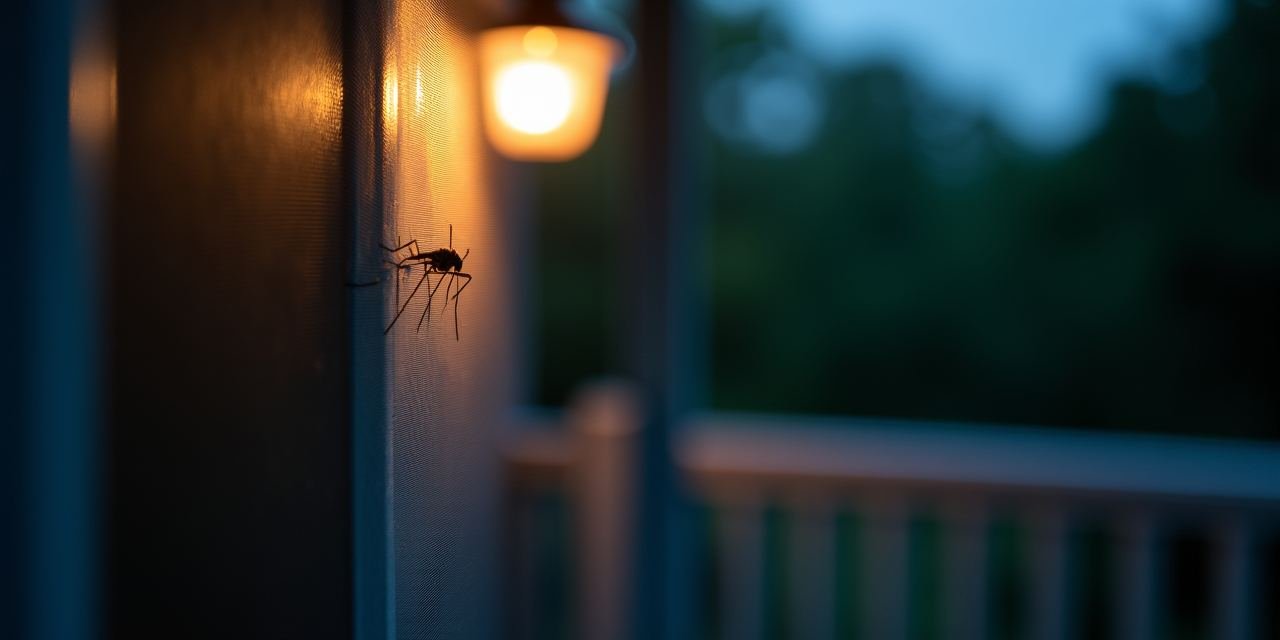
Westchester County Health Commissioner Dr. Sherlita Amler confirmed it on August 7. The mosquito pool, the season's first positive, was collected from a trap in Rye.
The Short Version
This Pristine Pest news report covers a shift in Westchester's mosquito season. The county has been trapping and testing mosquitoes since early summer. On August 7, the first West Nile-positive batch of 2026 came back, collected in Rye.
It's one positive out of 61 batches tested so far. The county placed 30 traps around Westchester to gather that data.
Last month, this same news desk covered West Nile-positive pools found in Rockland. Westchester has confirmed a human case every year since 2024. The virus has now arrived at its own doorstep for 2026.
What Happened in Rye
The positive batch was one of 61 tested this season. That's a small fraction on paper, but it's the number that matters most. A single positive pool means the virus is circulating locally between birds and mosquitoes.
That's the exact cycle that eventually produces a human case. County officials don't treat one positive test as an isolated data point. They read it as the starting gun for the year's highest-risk weeks.
Those weeks typically run from early August through the first hard frost.
Dr. Sherlita Amler, Westchester County Health Commissioner: "This is a seasonal reminder that mosquitoes thrive in hot weather, especially at sunrise and sunset, so be sure to protect yourself and your family by using repellents, especially when many mosquitoes are active."
Why Late Summer Is the Danger Zone
West Nile virus doesn't spread directly from mosquito to person on contact. A mosquito, almost always the Culex species, bites an infected bird first. From then on, every bite can pass the virus to a new person or animal.
Culex pipiens, the Northern house mosquito, drives most West Nile spread in Westchester. It builds steadily through July. It peaks in August, exactly when this year's first positive test arrived.
Most people bitten by an infected mosquito never develop symptoms. When illness does occur, it usually means fever, headache, body aches, and joint pain.
Severe neuroinvasive disease is rare. It disproportionately affects people 60 and older, and anyone with underlying health conditions. That's the exact population Amler's warning targets.
What the County Is Recommending
The health department's guidance hasn't changed much from prior years. But the urgency rises the moment a positive test lands.
- Apply insect repellent with up to 30% DEET
- Avoid outdoor activity at dusk and dawn, when Culex mosquitoes are most active
- Wear long sleeves and pants during peak hours
- Eliminate standing water in gutters, birdbaths, and plant saucers
- Remove discarded tires
- Keep pools chlorinated and circulating
- Clear storm drains of leaf debris and sediment
Is Your Yard a Mosquito Breeding Ground?
Culex mosquitoes need standing water to lay eggs. Most of it is sitting somewhere on the average Westchester property without anyone noticing. Check what's currently true of yours.
What This Means for Westchester Homeowners
A single positive pool in Rye doesn't mean every yard faces equal risk tonight. It means the county's surveillance system caught the virus right on schedule. That's the start of the window when local transmission is most likely to escalate.
A positive mosquito test doesn't mean a human case follows right away. But historically, that gap has been weeks, not months. That's why the health department pushes prevention now, rather than waiting.
Eliminating standing water handles the breeding side. It doesn't touch adult mosquitoes already active in shrub beds and shaded areas. A professional barrier treatment closes that gap, suppressing the adult population that's already flying.
Frequently Asked Questions
Has West Nile virus been found in Westchester County in 2026?
Yes. Westchester County confirmed the season's first West Nile-positive mosquito batch on August 7 in Rye. It was the first positive out of 61 batches tested from 30 county traps.
How does West Nile virus spread to people?
Culex mosquitoes pick up the virus by biting infected birds. They pass it to people through later bites. Most never develop symptoms, but severe cases bring fever, headache, body aches, and joint pain.
Who is most at risk from West Nile virus?
People 60 and older, and those with underlying health conditions, face the highest risk. Amler recommends extra caution for this group at sunrise and sunset. That's when mosquitoes are most active.
What can homeowners do to reduce mosquito risk right now?
Eliminate standing water in gutters, birdbaths, and plant saucers, since Culex mosquitoes breed there. Use repellent with up to 30% DEET at dusk and dawn. Keep pools chlorinated and circulating, and clear debris from storm drains.
Sources
- News 12 Westchester: Mosquitoes With West Nile Virus Discovered in Rye (August 8, 2026)
- Mid Hudson News: Mosquitoes With West Nile Virus Found in Westchester County (August 7, 2026)
- Rye, NY Patch: First West Nile-Infected Mosquitoes of the 2026 Season Found in Westchester
- Yonkers Times: Mosquitoes With West Nile Virus Found in Westchester
Last updated: August 8, 2026
This article is provided for general educational purposes only and does not constitute medical or pest control advice. Health concerns should be directed to a licensed medical provider, and pest identification and treatment decisions should involve a licensed pest management professional. Pristine Pest is a lead generation service that connects homeowners with licensed pest control providers. We are not a licensed pest control company and do not perform inspections or treatments. Read our full disclaimer.
Pristine Pest may receive compensation when you contact pest control providers through this site. This does not affect the accuracy of our content.