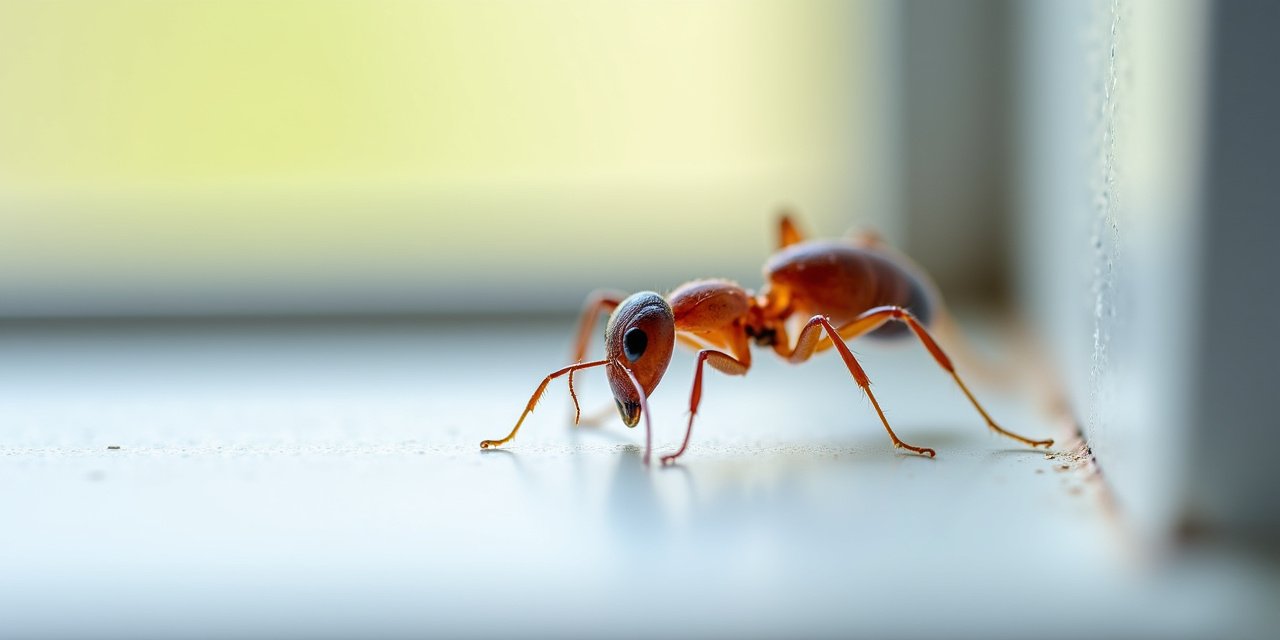
Pest industry reports show carpenter ant activity starting earlier and lasting longer. Structural risk is higher with moisture-damaged wood.
The Short Version
This Pristine Pest news report covers a detail most homeowners miss about swarmers.
Seeing a few winged ants outside near a stump or woodpile is often unremarkable. Seeing them inside the house is different.
A colony needs roughly 2,000 to 6,000 workers to produce swarmers. That threshold takes years to reach.
Finding swarmers indoors means the colony matured inside, not in a distant tree. The nest is established in your walls, joists, or framing.
An Earlier, Longer Season This Year
Regional pest control commentary describes ant activity this season. Carpenter ants included, they're arriving earlier and lasting longer.
"This year, activity is happening earlier and will last longer, which means more foraging, more swarming, and more opportunities for ants to get inside homes." Timothy Best, MSPH, BCE, on the 2026 ant season.
Best pointed to soil temperature. It's the seasonal trigger. Once ground hits 50 degrees, dormant colonies reactivate quickly.
"Once soil temperatures reach that critical threshold, around 50 degrees, we see colonies wake up fast." Timothy Best, MSPH, BCE.
That reactivation extends the period when colonies forage and grow. Eventually they produce swarmers that expose their presence.
Why Moisture Is the Real Culprit
Carpenter ants don't eat wood like termites do. They excavate it. Soft, moisture-damaged wood is easier to tunnel through than dry lumber.
That single fact explains most of where colonies actually establish in Westchester homes. Common risk points include:
- Mulch beds piled directly against the foundation
- Wood-to-soil contact at deck posts, stairs, or trim
- Poor grading or drainage that keeps sill plates damp
- Leaking gutters, downspouts, or window flashing
- Cracks in driveways or walkways that trap moisture near the slab
Best identified heightened structural risk from carpenter ants in moisture-damaged wood this season. The industry views moisture control as prevention, not surface spraying.
Carpenter Ant Swarmer or Termite Swarmer?
The two are often confused. But identification matters because treatment differs completely.
| Feature | Carpenter Ant Swarmer | Termite Swarmer |
|---|---|---|
| Waist | Pinched, narrow | Straight, thick |
| Antennae | Bent, elbowed | Straight, beaded |
| Wing pairs | Unequal length | Equal length |
| Body color | Usually black or bicolor | Usually pale brown |
| What it means | Excavated, not eaten, wood; colony coexists with damage | Wood is actively being consumed as food |
Both point to real problems. Carpenter ants signal moisture and vulnerability, termites signal active consumption. Visual identification changes the entire plan and must come first.
What to Do If You Find Swarmers Inside
Vacuuming up visible swarmers only removes the ants that have already left the nest. It does nothing to the colony still living inside the wall or floor system.
The next step is locating the nest. Trace worker ant trails back to moisture-damaged framing, sills, or areas below leaks.
Colonies large enough to swarm have caused structural damage. Professional treatment paired with moisture fixes replaces DIY. Moisture control alone won't eliminate them, so read our moisture prevention guide.
Frequently Asked Questions
What does it mean if I see winged carpenter ants inside my house in fall?
Indoor swarmers, unlike ones seen outside, almost always indicate an established parent colony already living inside the structure, since a colony needs roughly 2,000 to 6,000 workers before it produces reproductive swarmers.
Do carpenter ants swarm in the fall in Westchester?
Peak swarming activity in the region runs from spring through mid-summer. Swarmer sightings can still occur into early fall, and any swarmers found indoors, regardless of season, point to a mature colony rather than a new outdoor nest.
How can I tell a carpenter ant swarmer from a termite swarmer?
Carpenter ant swarmers have a pinched waist, bent antennae, and two pairs of unequal-length wings. Termite swarmers have a straight waist, straight antennae, and two pairs of equal-length wings.
What attracts carpenter ants to a Westchester home?
Moisture-damaged wood is the primary draw. Mulch beds against the foundation, poor drainage, wood-to-soil contact, and leaking gutters or window frames create the soft, damp wood carpenter ants excavate to nest.
Sources
Last updated: September 2, 2026
This article is for general education only and does not constitute pest control advice. Treatment decisions require a licensed professional. Pristine Pest is a lead generation service connecting homeowners with licensed providers.
We are not a licensed pest control company and do not perform inspections or treatments. Read our full disclaimer.
Pristine Pest may receive compensation from providers contacted through this site. This does not affect content accuracy.