How to Tell Carpenter Ants from Termites: A Scarsdale Homeowner's Guide
Misidentifying these two pests is one of the most expensive mistakes a Westchester homeowner can make. The damage profiles are different, the treatment approaches are different, and the urgency levels are different. Here is how to tell them apart at a glance.
Michael Corsetti

Why Getting This Wrong Costs Westchester Homeowners More
Every spring, our team responds to calls from Scarsdale homeowners who have been treating the wrong pest for months. The most common scenario: a homeowner spots large black ants near a window frame, buys ant bait from a hardware store, and waits. The ants keep coming. What they missed is that carpenter ants do not eat the bait the same way pavement ants do, and what they are seeing may be the surface activity of a much larger structural problem inside the wall.
The reverse error is equally costly. A homeowner sees what looks like a termite swarm near the foundation, calls for immediate chemical treatment, and spends significant money on a pest they do not actually have. Flying carpenter ants are mistaken for termite swarmers more often than any other identification error we encounter in Westchester.
Both species are attracted to moisture-damaged wood. Both can be active inside the same home at the same time. Knowing which one you are dealing with determines your next move.
The Physical Differences: A Side-by-Side Field Test
You do not need a magnifying glass. The physical differences between carpenter ants and termites are visible to the naked eye once you know what to look for.
The waist test is the fastest and most reliable diagnostic. Carpenter ants have a clearly pinched, segmented waist between the thorax and abdomen, the same constriction you see in any ant. Termites have a broad, straight body with no waist at all. From the side, a termite looks like a small cigar. A carpenter ant looks like, well, an ant.
When winged forms are present (swarmers), look at the wings. Carpenter ant swarmers have two sets of wings of unequal length: the front wings are noticeably longer than the rear wings. Termite swarmers have two sets of wings that are almost exactly equal in length. Termite wings also break off easily at a stub near the base; you will often find discarded wings near entry points after a swarm, which is a strong confirmation of termite activity.
Antennae are the third field marker. Carpenter ant antennae are elbowed (bent at a sharp angle). Termite antennae are straight and slightly beaded, like a short string of pearls.
| Feature | Carpenter Ant | Termite (Eastern Subterranean) |
|---|---|---|
| Waist | Clearly pinched, segmented | Broad, no constriction |
| Antennae | Elbowed (bent) | Straight, bead-like |
| Wings (swarmers) | Unequal length front/rear | Equal length, shed easily |
| Color | Black, dark red, or combination | Creamy white to dark brown |
| Size | 6–13mm (workers) | 3–4mm (workers) |
| Active foragers visible? | Yes (seen on surfaces) | Rarely (stay inside wood or tubes) |
Damage Patterns: What Each Pest Leaves Behind
Even if you never see the pest itself, the evidence it leaves tells the story. Carpenter ants and termites create distinctly different signatures in the wood they damage.
Carpenter ants excavate wood to create galleries for nesting. They do not eat the wood. They remove it. The result is smooth, clean tunnels that look almost finished, sometimes described as looking like they were carved with a small chisel. The key evidence is frass: a mixture of coarse sawdust, insect body parts, and debris that workers push out through small kick-out holes. If you see a pile of sawdust-like material near a baseboard, window frame, or door jamb, look up or behind the surface for a small hole. That is a carpenter ant kick-out hole.
Termites eat the wood from the inside, consuming the cellulose fibers. They do not push debris out. Instead, subterranean termites (the only species present in Westchester) build mud tubes to travel between the soil and the wood above. These pencil-thin tunnels of mud and soil are one of the clearest signs of termite activity in our area. The damaged wood itself will have a hollow sound when tapped, and the internal galleries run with the wood grain (following the soft spring wood).
Carpenter ant damage tends to occur in wood that is already moisture-damaged. Termites can attack sound wood, though they prefer moist conditions as well. If you find damage in a completely dry, structurally sound beam, carpenter ants are more likely. If you find damage that appears to have started from the foundation upward, with mud tubes along the concrete block, termites are the more probable culprit.
Where They Nest in Scarsdale Homes
Location clues matter for identification. Carpenter ant colonies originate outdoors, typically in a rotting stump, a decaying log, or a moisture-damaged tree on the property. The indoor workers you see are from a satellite colony that has extended into your home's structure. They prefer wood near moisture: window sills with failed caulk, fascia boards under leaky gutters, basement beams with humidity problems, and the structural wood around shower and tub surrounds.
In Scarsdale's historic Tudor-style homes, we frequently find carpenter ant satellite colonies behind cedar shake siding where moisture has been trapped against the wall frame for years. The shake siding itself is not the nest. It is the entry point to wetter wood behind it. The parent colony is almost always somewhere on the lot, often in a decorative stump or a split oak at the property edge.
Termites in Westchester are exclusively subterranean. They live in the soil and travel upward. The highest-risk entry points are expansion joints in concrete slabs, gaps around plumbing penetrations through the foundation, and areas where wood-to-soil contact exists. Older Scarsdale homes sometimes have wood porch supports that contact the soil directly, a direct highway for subterranean termite access.
Our general pest management program addresses both species with targeted inspections of these high-risk zones. For confirmed termite activity, our dedicated termite control program uses Sentricon baiting systems designed specifically for Eastern subterranean termites.
Signs of Active Infestation vs. Historic Damage
Not all wood damage is an active infestation. Homes in Westchester often have evidence of past pest activity that was treated years ago. Knowing whether what you are seeing is current or historical changes the urgency of your response.
Active carpenter ant activity shows fresh frass: pale, slightly moist, and aromatic. Historic frass is dusty, darker, and may have been compressed or disturbed. Active tunneling will have smooth, clean galleries with no cobwebs or debris accumulation inside the channels.
Active termite activity shows live termites in the galleries (cream-colored, soft-bodied workers that retreat from light immediately), fresh mud tube construction, and wood that sounds hollow when tapped. An important note: termite activity can be present for years without visible surface evidence. Annual inspections are the only way to catch infestations before they reach structural damage thresholds.
If you see discarded wings near a window or doorway in May, that is evidence of a recent swarm, and swarms only happen from established colonies. A swarm does not mean infestation started today; it means an existing colony has matured enough to reproduce. That colony has likely been present for three to five years.
When to Call a Professional
The physical identification guide above covers what you can see from the surface. What neither homeowners nor general inspectors can see without specialized equipment is the extent of the damage inside the wall cavity, the location of the parent colony, and whether both species are present simultaneously.
If you see large black ants consistently near the same location, particularly in spring and early summer, have a professional confirm whether it is a carpenter ant satellite colony with structural implications. If you see mud tubes, discarded wings, or hollow-sounding wood near the foundation, do not wait. Termite colonies grow exponentially and structural damage compounds quickly.
For a professional identification and structural assessment in Scarsdale or Westchester, contact our team at . We will confirm the species, locate the source, and outline the appropriate treatment path, without assuming you need the most expensive option available.
FAQ: Carpenter Ants vs. Termites in Westchester
What is the fastest way to tell a carpenter ant from a termite?
Look at the waist. Carpenter ants have a clearly defined, pinched waist between the thorax and abdomen. Termites have a broad, straight body with no waist constriction. This single physical feature is the fastest and most reliable field test, visible without magnification on any adult worker.
Can carpenter ants and termites infest the same home at the same time?
Yes, and it happens in Westchester more often than homeowners expect. Both species are attracted to moisture-damaged wood. A wet basement beam or leaking fascia board can harbor both pests simultaneously. A professional inspection distinguishes which pest is present and whether the wood damage is structural.
Does sawdust near a baseboard mean carpenter ants or termites?
Sawdust-like material (called frass) is a strong indicator of carpenter ants, not termites. Carpenter ants excavate wood and push debris out through small kick-out holes. The frass often contains insect body parts alongside the wood shavings. Termites consume wood fibers and leave mud tubes, not sawdust piles. If you see frass, look for the kick-out hole directly above the pile.
Do carpenter ants cause as much damage as termites?
In most cases, no. But the damage threshold matters. Carpenter ants damage wood more slowly than subterranean termites, and they cannot attack sound, dry wood the way termites can. However, a large, established carpenter ant colony inside a structural beam or wall cavity over several years will cause significant damage. The critical difference is that carpenter ant damage is usually concentrated in already-compromised wood, while termite damage can progress through sound structural members.
What time of year are carpenter ants most visible in Scarsdale?
April through June is the peak activity window for carpenter ant foraging in Westchester. As temperatures warm and colonies expand, workers range further from the satellite nest in search of food and moisture. You are most likely to spot large workers inside the home during this period. Seeing ants in January or February inside a heated home suggests an established satellite colony within the heated envelope of the structure, a more urgent situation requiring prompt investigation.
If your inspection turns up signs consistent with carpenter ants, our dedicated carpenter ant removal service includes a full structural assessment, satellite colony location, and moisture investigation to address the conditions driving the infestation, not just the visible workers.
Written by
Michael Corsetti
Structural Pest Control Specialist
Specializing in wood-destroying insect identification, structural damage assessment, and integrated treatment programs for Westchester County's historic residential stock.
Keep Reading
Related Articles
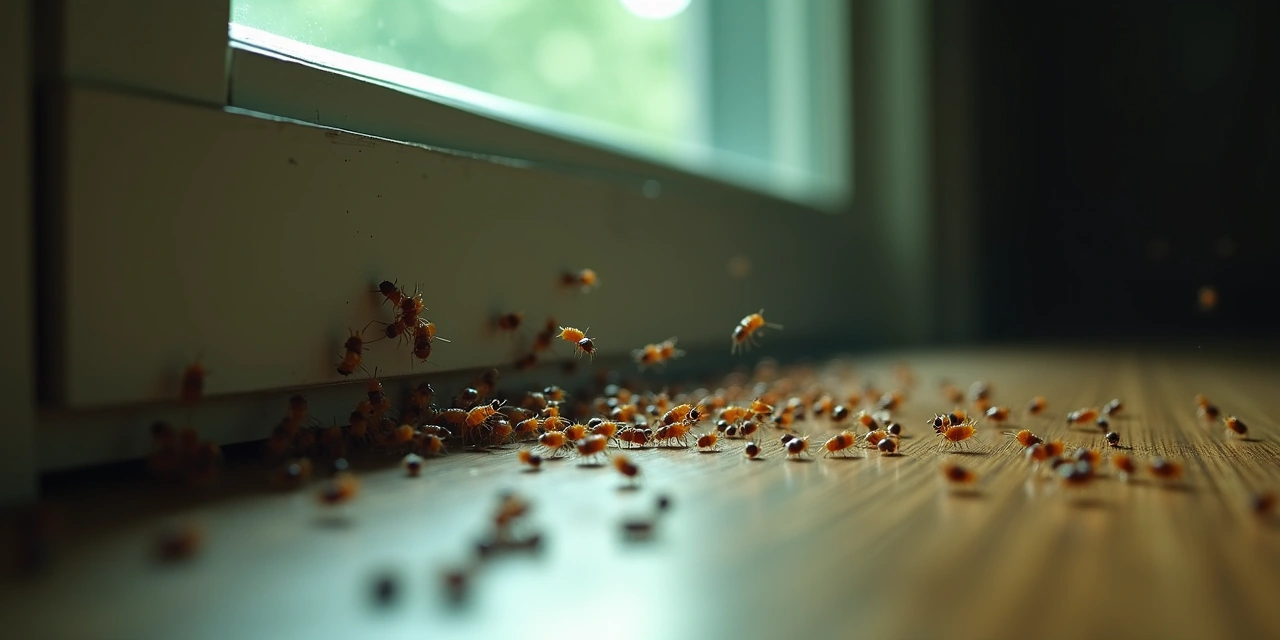
Termite Swarm Season 2026: What Scarsdale Homeowners Must Do Before May Ends
NPMA forecasts heightened termite activity this spring. Here is what Eastern subterranean termite swarmers mean for your home and what to do in the first 24 hours.
Termite Control & Sentricon Protection for Scarsdale Homes
Professional termite inspection, Sentricon bait station installation, and annual monitoring programs for Westchester County homeowners.
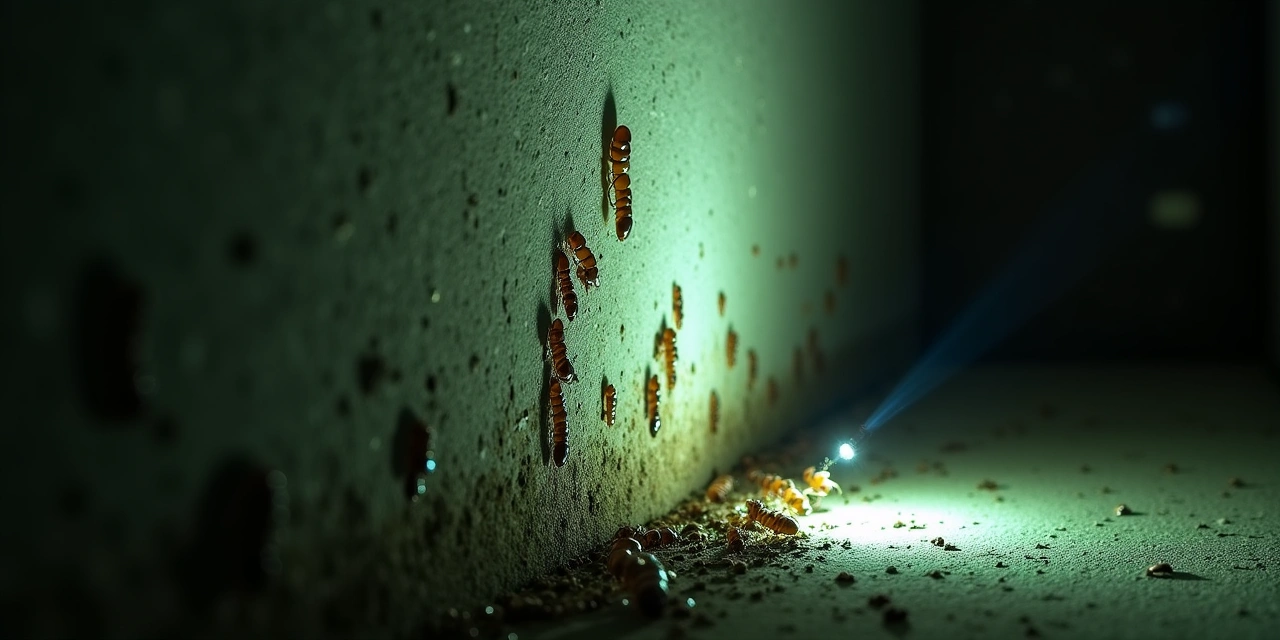
Warning Signs of Termite Damage in Westchester Homes
The visual cues that indicate termite activity in your home: from mud tubes to hollow-sounding floors. What to look for before damage becomes structural.