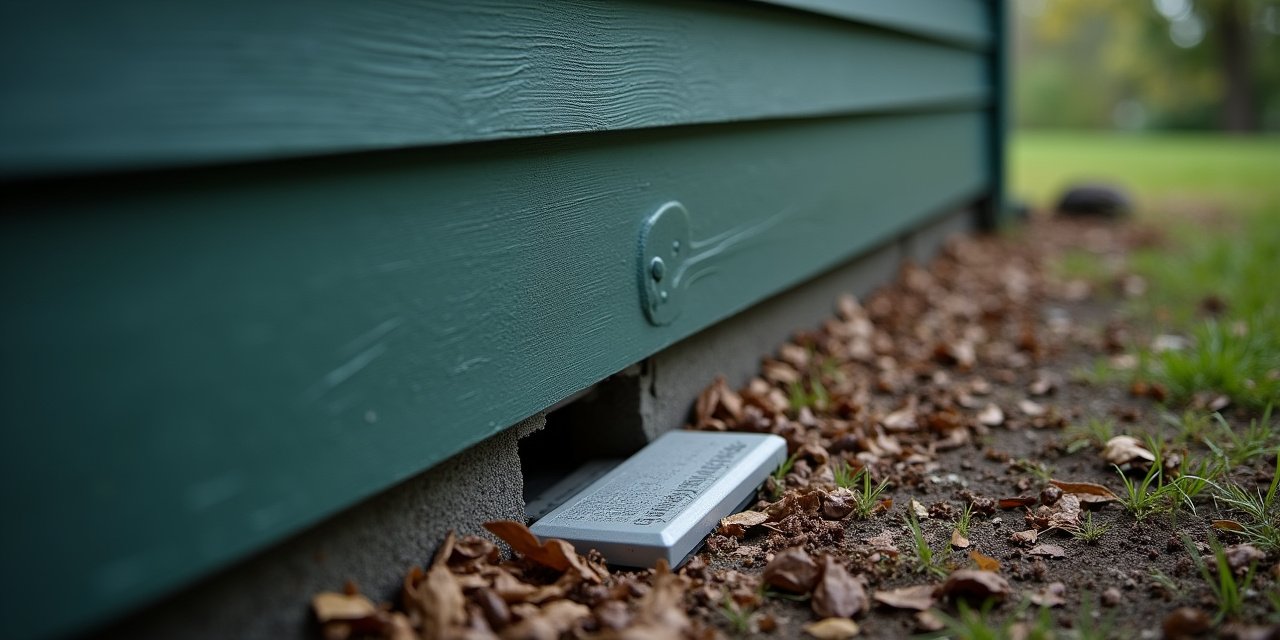
Westchester's fall rodent surge doesn't start in October. It starts now, while the weather still feels like summer.
Mice begin scouting shelter in August, weeks before anyone spots a dropping indoors. By the time you notice signs, several are usually already in the walls.
This guide covers three things. Why this fall looks different. What early exclusion saves, and how fast contractors book up.
None of this is complicated. It just requires acting while you still have room to plan.
August is the best window to seal a Westchester home against rodents. Wait until mice show up and you're paying for cleanup, not just prevention. Contractors also book solid fast once fall calls start, so early scheduling gets first pick.
- August is the last calm month before fall rodent pressure builds.
- Contractors get booked solid by mid-September most years.
- Sealing entry points before mice arrive costs far less than treating an active infestation.
- Exclusion work done now holds up through the whole overwintering season.
- DIY sealing helps, but professional sealing work covers gaps most homeowners miss.
- Waiting until October means competing with every other homeowner for a slot.
Why Fall 2026 Is Predicted to Be a Peak Rodent Season
Pest professionals are already calling this a heavy rodent year. A few factors are stacking up at once.
Westchester's last two winters ran mild, and mild winters let more rodent litters survive. The National Pest Management Association has tracked rising rodent complaints nationally for years running.
Local construction and landscaping displace existing colonies mid-summer, pushing more mice toward houses early. Add a dry August, and rodents move toward homes chasing water too.
Food supply plays a role too. A strong acorn crop last fall meant more rodents survived into spring.
Cornell Cooperative Extension links heavy mast years to bigger rodent booms the next year. More survivors this spring means more breeding pairs by August.
None of this guarantees a bad season on its own. Together, the signs point toward more pressure than a typical year, not less.
Westchester isn't alone here. Contractors across the lower Hudson Valley are reporting the same early uptick in calls.
Warmer summers also stretch the breeding season later into the year. That means more litters born closer to fall, right when shelter-seeking begins.
None of these factors act alone. Together, they explain why professionals are watching this fall closely.
The takeaway isn't to panic about this fall specifically. It's to treat the July-August window as insurance against an uncertain season.
- House mice can have 6 to 10 litters a year in ideal conditions.
- A single litter averages 5 to 6 pups, born about 19 to 21 days after mating.
- Pups reach breeding age in as little as 6 weeks.
- A gap the width of a pencil is wide enough for a mouse to squeeze through.
The July-August Action Window, Explained
The action window isn't a marketing phrase. It's the stretch when exclusion work does the most good for the least effort.
Mice haven't moved indoors yet in August. Ground temperatures are still warm, and outdoor food is still easy to find.
Westchester's growing season runs long this time of year. Grass is thick, gardens are full and mice have no reason to look elsewhere yet.
That changes fast once nights cool in September. Rodents start looking for harborage indoors, and gaps sealed in August simply aren't there anymore.
A sealed foundation in August stays sealed through fall. There's no colony pressure pushing against it yet, so the barrier holds without a fight.
Once inside, mice settle into wall voids and basements for the winter. That's overwintering, and it's why fall infestations often last until spring.
Compare that to October. By then, mice are already testing gaps from the inside. Sealing becomes containment, not prevention.
Think of August as the last month mice stay outdoors by choice. That choice is what makes exclusion work so well right now.
Weather plays a role in the exact date this shifts. A cool, wet September can push mice indoors even earlier than usual.
That's one more reason not to wait for a forecast. Seal now, and the exact trigger date stops mattering.
Some years the shift happens gradually. Other years it happens almost overnight, once the first real cold front moves through.
This article covers timing, not the full prevention checklist. For a full checklist of entry points, see our full seasonal rodent prevention guide.
The Cost Math: Exclusion Now vs. Waiting Until You See Them
The math favors acting early, and it isn't close.
Exclusion work in August means sealing gaps before anything moves in. One visit, one bill, done before the season starts.
Wait until mice are inside and the job changes completely. Now it's trapping, cleanup, repeat visits and exclusion combined, not exclusion alone.
Multiple visits also mean multiple trip charges in most service models. What starts as one job can turn into three or four before it's resolved.
Insurance rarely covers rodent damage either. Most homeowner policies treat it as a maintenance issue, not a covered peril.
That makes exclusion one of the few pest costs you can actually control. You choose when to spend it, instead of an infestation choosing for you.
| Timing | Typical Work Involved | Number of Visits |
|---|---|---|
| August exclusion | Seal entry points before mice arrive | Usually one |
| Post-infestation response | Trap, clean, seal and monitor | Often several |
There's a hidden cost too. Mice inside a wall can chew wiring and insulation before anyone notices. That adds repair costs on top of pest control.
For the actual numbers, see our breakdown of what exclusion costs per linear foot. The gap between early and late pricing is bigger than most homeowners expect.
None of this requires guessing. A quick inspection tells you which side of that math you're on.
Not sure if mice are already inside? Start by catching the early signs first, then move to sealing.
Rodent Prevention · Scarsdale & Westchester
August is the calm before the fall rodent rush. Don't wait for the walls to tell you.
Pristine Pest connects Westchester homeowners with licensed providers. They handle exclusion before mice move in, not after. Call to schedule an inspection.
Call (877) 938-6799Booking Timeline Before Contractor Backlog
Pest control companies don't stay this open for long. September calls flood in fast.
This isn't unique to pest control. Any home service tied to a seasonal trigger sees the same crunch.
Once the first cold snap hits, everyone notices mice at once. Appointment slots fill within days, and next availability can slide two or three weeks out.
Booking in August means picking your own date. Booking in October means taking whatever's left, if anything's left at all.
Westchester's older housing stock adds to the crunch. Pre-war foundations and additions built over decades create more entry points than newer homes. That means more homes competing for the same appointment slots.
Some companies stop taking new fall bookings once they hit capacity. At that point, the only option left is an emergency call at a premium rate.
A routine August appointment avoids that entirely. You get standard scheduling, standard pricing and your pick of the calendar.
A quick call now costs nothing and locks in a spot before the rush. Waiting costs you the choice of when work gets done.
If you've been putting off the call, August is your nudge. The calendar only gets tighter from here.
None of that is a reason to panic. It's a reason to make the call this week instead of waiting for a reminder.
DIY Prep vs. Professional Exclusion
Some rodent prep is genuinely DIY-friendly. Other parts need a trained eye.
Start with what you can see from ground level. Walk the foundation slowly, and look for anything a pencil could fit through.
Homeowners can trim foundation vegetation, clear woodpiles and store trash in sealed bins. These steps cut down on harborage close to the house.
Finding every entry point is the harder part. Utility penetrations, roofline gaps and foundation cracks often hide in plain sight. A pencil-width gap is all a mouse needs.
Attics and rooflines are the parts most homeowners skip. Soffit gaps and vent screens sit out of easy reach. That's exactly where mice look first.
A professional inspection catches what a walk-around misses. Our rodent control team seals the gaps DIY prep tends to leave open.
A professional visit typically takes less than an hour. That's a small trade for closing gaps you might never spot on your own.
Basements and crawlspaces deserve a look too. Cracks around pipes and cable lines are common, easy-to-miss entry points.
A written summary after inspection helps too. It tells you exactly what got sealed and what to watch going forward.
Pair both approaches for the best result. DIY handles what's visible, and a professional handles what isn't.
Either way, the goal is the same. Close the gaps before the mice find them, not after.
Westchester homeowners who wait until they hear scratching in the walls are already behind. The ones who act in August rarely think about rodents again until spring.
Frequently Asked Questions
Why is August the best month to start rodent exclusion?
August sits before mice start scouting for winter shelter. Sealing entry points now closes gaps before mice need them, not after. Waiting even a few weeks can mean competing for an open appointment.
How far in advance should I book a contractor before fall?
Book in August if you can. Contractor calendars fill fast once the first cold snap hits. By October, availability gets tight across Westchester.
What does rodent exclusion cost compared to waiting until mice get inside?
Exclusion done early is usually a single visit and a single bill. Waiting adds trapping, cleanup and repeat visits on top of sealing you still need. The wiring and insulation damage mice cause adds even more to that total.
Can I handle rodent prep myself, or do I need a professional?
DIY works well for trimming vegetation, clearing woodpiles and general cleanup. Sealing every entry point usually needs a trained eye. Small gaps are easy to miss.