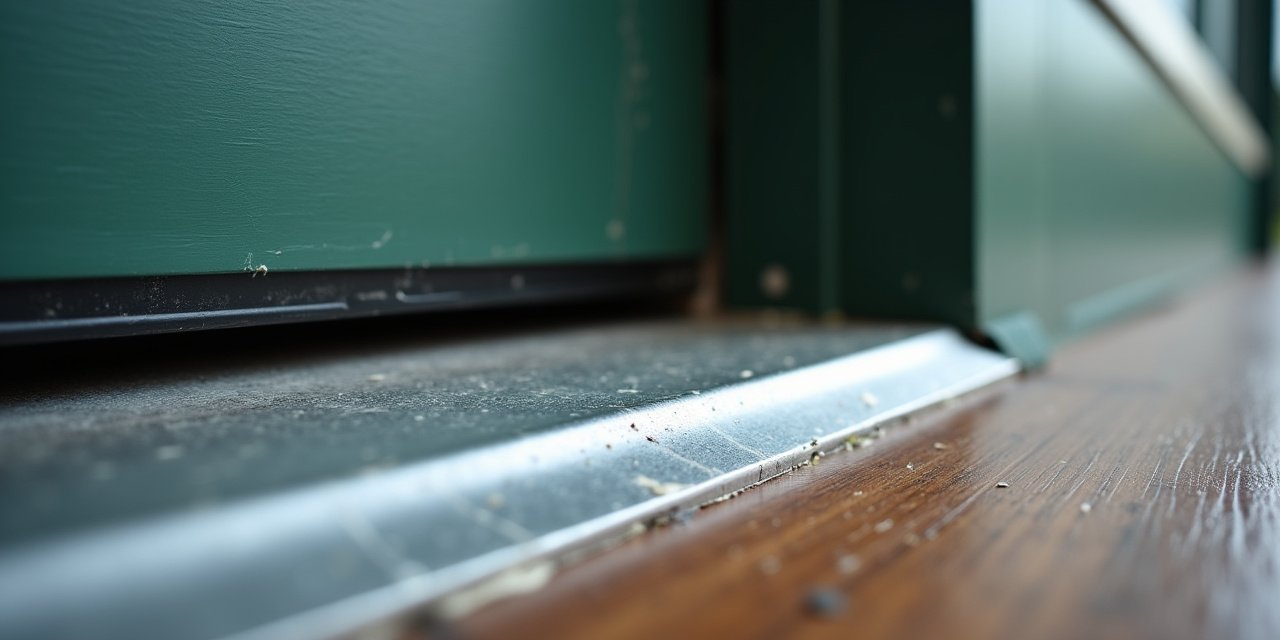
A homeowner calls after ants show up for the third time this year. The technician sprays the visible trail again. Three months later, the ants return in a different room.
That cycle isn't bad luck. It's the result of treating symptoms instead of causes. Exclusion targets the cause: the gap pests use to get in.
What Exclusion Actually Involves
Exclusion means physically closing the gaps pests use to get inside. It's carpentry and sealant work, not chemistry. Once a gap is closed, it stays closed.
A typical exclusion pass on a Westchester home covers four areas. Foundation cracks get sealed with mortar or exterior grade caulk. Door sweeps get installed on exterior doors with worn or missing seals.
Vent screens cover dryer vents, soffit vents, and crawlspace openings. Utility penetrations get sealed too. That covers the gaps around pipes, cables, and AC lines.
None of this uses a chemical product. It removes physical access, which is a different mechanism than making entry temporarily unpleasant.
Why Extermination Alone Is a Recurring Cost
Extermination treats symptoms after pests are already inside. A residual treatment stays active on surfaces for a few weeks. Then it breaks down, and protection ends with it.
The entry point that let the first pests in is still open. Nothing about a spray treatment changes that gap. So the same route lets in the next wave of pests.
That's why recurring service plans exist in the first place. Quarterly treatment isn't a preference, it's a requirement built into the method. Skip a visit and protection lapses almost immediately.
Over several years, those repeat visits add up to real money. Exclusion work is a one-time cost that doesn't reset every quarter.
Cumulative Cost Over Five Years
Illustrative comparison only. Exclusion is a one-time cost; treatment cost accumulates every year it's renewed.
Illustrative estimate only, not a quote. Figures are rounded example numbers, not pricing for your property.
Try It: Compare Costs Over Time
Pick a number of years. See a rough cumulative comparison. This is an illustrative estimate, not a quote.
Entry Point Exclusion · Scarsdale & Westchester
Stop paying for the same treatment every quarter. Seal the entry points instead.
Pristine Pest connects Westchester homeowners with licensed providers. They inspect entry points before quoting any treatment. Call to schedule an inspection.
Call (877) 938-6799When Extermination Still Makes Sense
Exclusion doesn't replace treatment entirely. An active infestation already inside the walls still needs direct attention. Bait or residual treatment handles pests already present.
The two approaches solve different problems. Treatment removes what's already inside. Exclusion stops the next wave from arriving.
See our guide on how to choose an exterminator for an active problem. For why recurring ant problems happen, see why ants keep coming back every spring.
Our guide to integrated pest management for homeowners covers how sealing and treatment fit together. For rodent-specific timing, see fall rodent prevention and the 3-week window. Our exterminator services page covers what a full sealing and treatment program includes.
Frequently Asked Questions
What does exclusion actually involve?
Exclusion means sealing foundation cracks, installing door sweeps, and covering vents and utility gaps. It's physical work, not a chemical application. Once sealed, an entry point stays closed.
Is exclusion alone ever enough?
Sometimes, if there's no active infestation yet. If pests are already inside, exclusion needs to be paired with treatment first. Sealing entry points without treating an existing colony just traps it inside.
What's the typical payback period for exclusion work?
Most Westchester homes see exclusion pay for itself within two to three years. That estimate compares a one-time sealing cost against typical annual treatment spending. Homes with heavier pest pressure often break even faster.
Are exclusion and extermination usually combined?
Yes, for most homes with an existing pest problem. A licensed provider treats the infestation, then seals the entry points that let it in. That combination addresses what's already inside and what could arrive next.
Related Reading
- The Crop Pest Now Climbing Westchester Siding
- House Centipedes and Silverfish Are Turning Up in Westchester Basements
- How to Choose an Exterminator
- Fall Rodent Prevention: The 3-Week Window
- Integrated Pest Management: A Homeowner's Guide
- Why Does My House Keep Getting Ants Every Spring?
- Exterminator Services