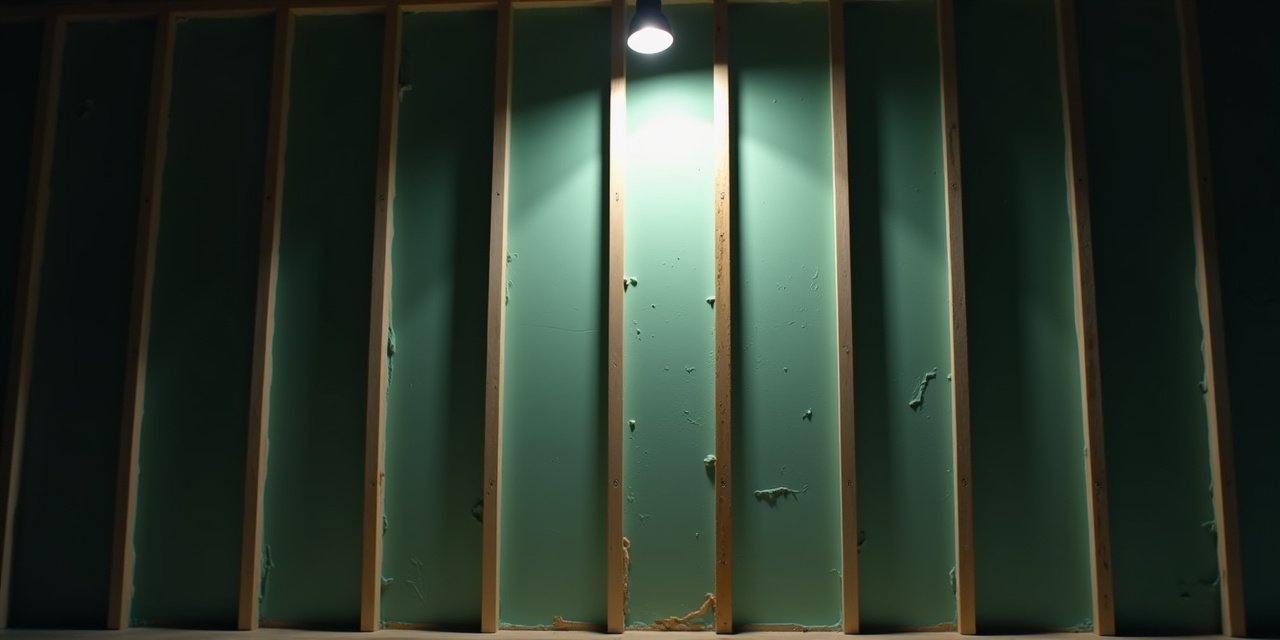
A carpenter ant satellite colony inside a wall is a structural emergency. An outdoor parent colony already supplies it with new workers. Every week of delay adds more damaged wood to repair.
You spotted a few large black ants near the kitchen sink last week. Now there are ants on the bathroom windowsill too. A small pile of sawdust showed up nearby, and nobody remembers sweeping it.
That pattern usually means the colony already budded. One nest split into two or three, each chewing new galleries through the framing. Speed matters more here than with most pest problems.
Carpenter ant activity typically peaks through the summer months here. Warm, humid weather speeds up excavation inside already-damp wood. That's exactly the window when a satellite colony is most likely to bud.
What Satellite Colonies Are and Why They Escalate Urgency
A satellite colony is an indoor nest connected to an outdoor parent colony. Workers travel between the two, carrying back food and moisture. The satellite has no queen, but that doesn't make it harmless.
Once a satellite nest is running, it feeds off the parent colony outside. Left alone, it spreads into damp framing behind walls and floors. Our full breakdown of satellite colony biology covers how the two nests connect.
The moment a satellite colony forms, the clock starts on structural damage. This is no longer a nuisance ant problem you can wait out. That shift is what makes it an emergency instead of a chore.
Westchester homes see this most in older construction with rim joists near grade. Damp basements and unsealed crawlspaces feed the moisture carpenter ants need. Both factors feed directly into how fast a satellite colony can form.
Signs a Colony Has Budded
Budding rarely announces itself with one obvious sign. It shows up as a handful of small changes across different rooms. Catching two or three signs together is a stronger signal than any single one alone.
Frass piles are the clearest indicator. Look for small mounds of coarse sawdust below baseboards, window frames, or attic joists. Unlike termite mud tubes, frass is dry and often has tiny insect fragments mixed in.
Ant activity spreading to a new room is a red flag. It usually means a second nest, not ants wandering further. A faint rustling inside a wall at night points to an active gallery nearby.
Winged swarmers indoors are another strong signal. Seeing them indoors in summer means the colony has matured enough to reproduce. That maturity often means the colony is large enough to bud.
Signs worth acting on immediately
- Frass in more than one location: suggests multiple active galleries, not a single nest.
- Winged swarmers indoors: a mature colony has been established long enough to reproduce.
- Soft or spongy wood near moisture: a common launch point for a new satellite.
- Ants seen in daylight in high numbers: often means an overcrowded, splitting colony.
- Trails crossing multiple rooms: a foraging pattern too wide for a single small nest.
Before you act, confirm you're dealing with a carpenter ant, not a pavement ant. The two need completely different treatments.
Structural Risk Timeline
Carpenter ants don't eat wood the way termites do. They excavate it to build galleries, and that excavation is what causes damage over time.
A satellite colony active for a few weeks does limited harm. Given a full season, it can hollow out a stud or joist section. Multiple seasons compound the damage, and budding spreads it across more of the structure.
- Weeks 1-4: workers establish a gallery near a moisture source, usually behind a sill plate or window frame.
- Months 2-4: the gallery widens, and colony size makes a second bud more likely.
- Season 2 and beyond: multiple galleries can weaken a full stud or joist run.
Galleries run with the wood grain, not across it. That's why they're often invisible from the outside. A stud can look solid while being mostly hollow inside.
Moisture is part of the risk too. It keeps softening the wood, which makes new galleries easier to dig. That feedback loop is why an untreated satellite rarely stays small.
Emergency Response · Scarsdale & Westchester
Seeing ants in a new room this week? That's usually a colony that already split.
Pristine Pest connects Westchester homeowners with licensed providers who offer same-day emergency inspections. Every day a satellite colony sits untreated is another day of gallery growth.
Call (877) 938-6799Why DIY Spray Often Triggers Budding
Grabbing a can of ant spray feels like the fastest fix. It's often the move that makes things worse.
Most store-bought sprays are repellents. They chemically threaten the colony instead of killing it outright. The colony often reacts by splitting into several smaller nests.
That response is called colony budding. One contained nest can become three or four scattered ones.
Spraying the visible trail makes ants disappear from that spot fast. It looks like success. In reality, the workers just relocated to a new gallery.
Surface sprays leave another problem behind. Ants navigate by pheromone trails, scent paths that persist on surfaces for days. New workers keep following that trail even after the first ones are gone.
This is the biggest reason DIY treatment fails on carpenter ants. A pest that scatters under threat needs a treatment that doesn't threaten it.
Not every DIY product causes budding. Slow-acting bait stations sometimes work if placed correctly. The problem is most homeowners don't know where to place them for carpenter ants specifically.
Professional Urgent-Response Protocol
A proper emergency response treats this as two problems, not one. The indoor satellite gets addressed first, since it's the active source of structural damage.
Technicians locate the nest by sound, moisture readings, and visible frass. They treat it directly instead of spraying broadly.
Technicians also use tools most homeowners don't have on hand. A moisture meter flags damp framing before any wood is opened. A listening device can detect activity behind intact drywall.
From there, they trace foraging trails back outdoors. The parent colony is usually within 100 to 300 feet of the structure.
Bait treatments matter because workers carry the product back to the nest. They share it with nestmates through trophallaxis, including the queen. Treating both nests in one visit is what actually stops the colony.
Most protocols also address the moisture source that let the colony start. Sealing entry points and correcting drainage prevents a new satellite from forming. That follow-up step is what keeps the fix permanent.
Most emergency visits include a written summary of what was found. That document covers gallery locations, moisture readings, and the treatment plan. A follow-up visit typically confirms the colony is gone.
Our carpenter ant removal service is built around this two-nest approach. Our emergency pest control team can typically respond same-day once a satellite colony is confirmed.
While you wait for an inspection, a few precautions help. Avoid further spraying, since that only accelerates budding. Stay out of any room where structural sag is visible.
- Note every location where you've seen ants or frass, with dates.
- Avoid disturbing suspect wood or removing drywall yourself.
- Keep pets and kids away from any area with visible sag or soft spots.
Cost of Waiting vs. Acting Now
Every week a satellite colony sits untreated, two things get worse at once. The galleries expand, and the odds of a second bud go up. Both trends compound the longer treatment is delayed.
Early treatment usually means one visit and one traced parent colony. Waiting until damage is visible means multiple treatment points instead. It often adds opened wall sections and structural repair on top of pest control.
Early vs. delayed treatment scope
- Early, signs only: one inspection, one satellite located, one parent colony traced.
- Delayed, visible damage: multiple treatment points and opened wall sections to confirm gallery extent.
- After a second bud: treatment scope expands to cover every active nest found.
Homeowners insurance typically excludes pest damage as a maintenance issue. That gap makes the timing decision entirely yours. Acting on the first signs costs far less than acting after the fact.
A confirmed carpenter ant infestation can also complicate a home sale. Most New York real estate deals require a WDI report before closing. Unresolved colony damage can delay or reduce an offer.
None of this requires guessing on your own. A same-day inspection settles the scope question fast. Whether that's one nest or three, the plan starts with finding them.
Frequently Asked Questions
How do I know if a carpenter ant colony has budded into a satellite nest?
Look for frass piles below baseboards, window frames, or attic beams. Listen for a faint rustling when you tap suspect wood at night. Winged swarmers indoors in warm months are a strong confirmation too.
Can I treat a carpenter ant satellite colony myself?
Store-bought sprays usually make it worse. Repellent chemicals scatter the colony instead of eliminating it, a response called colony budding. That can turn one indoor nest into several, spread across more of the structure.
How fast does carpenter ant damage spread once a satellite colony is established?
It depends on moisture and colony size. Galleries can expand for months with no visible sign outside the wood. A colony active a full season can hollow out a stud or joist section.
What happens during an emergency carpenter ant inspection?
A technician traces foraging trails, checks moisture-prone areas, and sounds suspect wood for hollow spots. The goal is finding both the indoor satellite and the outdoor parent colony. Same-day treatment can usually begin once both are located.
Is carpenter ant damage covered by homeowners insurance?
Most policies exclude pest damage as a maintenance issue, not a covered loss. That's why catching a satellite colony early matters financially, not just structurally. Waiting on treatment shifts the entire repair cost onto you.
What if I already sprayed and now see ants in a new spot?
That's a common sign of budding after a repellent spray. Note both locations and stop spraying further. A professional inspection can confirm how many nests are now active.
Related Reading
For deeper background on any of this, these guides go further.