The Short Version
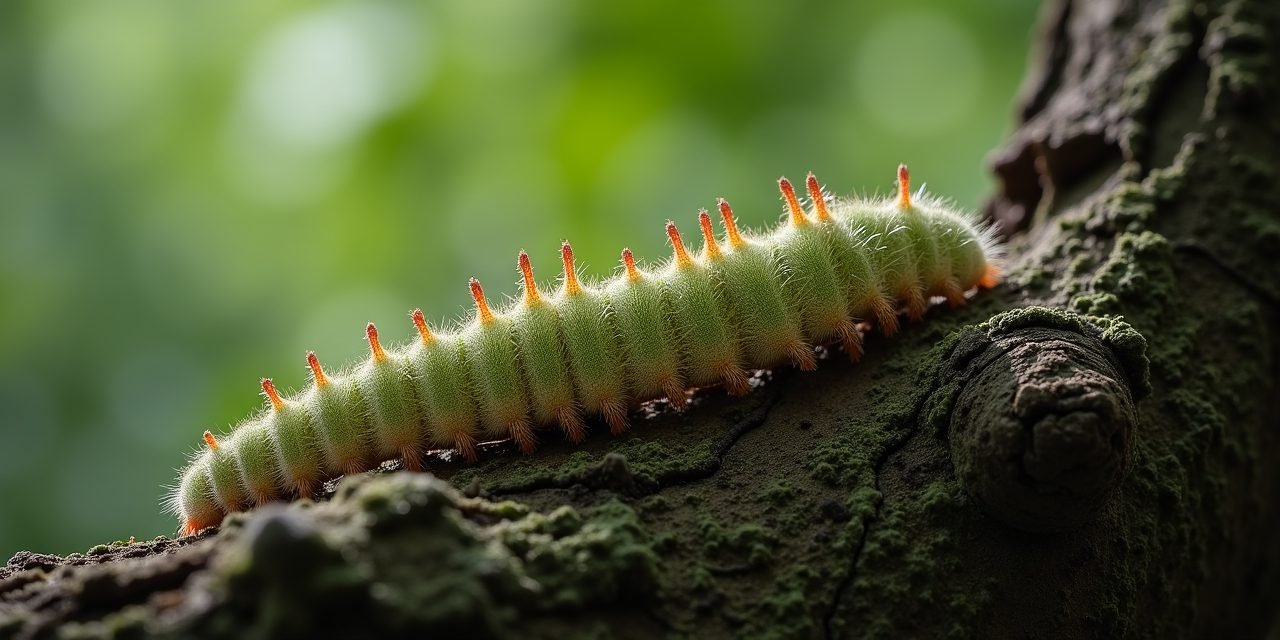
Heavy spongy moth defoliation stripped oaks across the Hudson Valley in 2023. Homeowners braced for a repeat this year.
It didn't happen. State surveys found minimal new egg masses going into 2026, and New York's DEC doesn't expect noticeable defoliation in most previously surveyed areas this season.
The reason is a naturally occurring fungus, and it only works under conditions Westchester doesn't currently have. That's the part worth watching.
The Fungus Doing the Work
Entomophaga maimaiga is a fungal pathogen introduced from Japan in 1910 and 1911 specifically to fight spongy moth. It infects caterpillars directly, and when conditions favor it, it can crash an entire regional population in one or two seasons.
The catch is that it needs moisture. Wet spring weather lets fungal spores spread through the caterpillar population fast. Dry, hot spring weather does the opposite, keeping the fungus dormant and letting caterpillar numbers climb unchecked.
| Spring Conditions | Effect on the Fungus | Effect on Spongy Moth Populations |
|---|---|---|
| Wet spring | Spores spread aggressively | Population crashes |
| Dry, hot spring | Fungus stays dormant | Population can rebound sharply |
Mechanism confirmed by entomological research and Northern Woodlands reporting on the 2023 to 2026 Hudson Valley cycle.
Why This Year Isn't Necessarily Next Year
Wet spring conditions in the years after the 2023 outbreak let the fungus do exactly what it's supposed to do. That's the entire reason DEC's May 2026 outlook was optimistic.
But that outlook was built on spring data. Since then, Westchester County has moved into an active statewide drought warning, driven by an unseasonably warm, dry summer. Dry conditions in spring are what suppress the fungus. A drought that persists or recurs into next spring is the exact scenario that could let spongy moth populations climb back.
Nothing here changes the current, quieter season. This is a note for next spring: if 2027 brings another dry spring on top of this year's drought, don't be surprised if defoliation reports pick back up. The outbreak pattern in this region has already broken from its historical 8 to 12 year cycle once this decade.
Why the Pattern Is Already Unusual
Spongy moth outbreaks in the Hudson Valley used to follow a predictable rhythm, roughly every 8 to 12 years. The last major outbreak before 2023 happened about 30 years earlier.
That gap, followed by a sharp 2023 spike and an equally sharp fungal crash, doesn't match the old pattern. Researchers monitoring the region are watching whether more frequent wet-dry swings produce more frequent boom-bust cycles going forward, rather than the old multi-decade lull.
A single quiet season is genuinely good news, not a false alarm. If you notice caterpillars or egg masses on oak bark this fall, DEC's statewide aerial survey program still wants that data. It's exactly how next year's outlook gets built.
Frequently Asked Questions
Is there a spongy moth outbreak in New York in 2026?
No widespread outbreak is expected this year. State surveys found minimal new egg masses heading into 2026, and DEC does not expect noticeable defoliation in most previously surveyed areas.
Why did spongy moth populations crash after the 2023 outbreak?
A naturally occurring fungus called Entomophaga maimaiga, introduced from Japan in 1910 and 1911, infects and kills spongy moth caterpillars. It needs wet spring conditions to spread. Wet springs in the years following the 2023 outbreak let the fungus spread aggressively and crash the population.
Could spongy moth populations come back in Westchester?
It's possible. The fungus that controls spongy moth populations is suppressed by dry, hot spring weather. Westchester County is under an active statewide drought warning in 2026. That is the exact condition that historically lets spongy moth populations rebound the following year.
What trees do spongy moth caterpillars damage most?
Oak trees are their preferred host, though they will feed on many other hardwoods when populations are high. Repeated years of heavy defoliation can kill mature oaks outright; the Hudson Valley recorded over 10,000 acres of oak mortality tied to the 2023 outbreak.
Sources
- New York Almanack: 2026 Spongy Moth Outbreak Outlook for New York State
- Northern Woodlands: Spongy Moth Outbreaks, Potential New Ecological Patterns
- Michigan State University Extension: A Virus and a Fungal Disease Cause Spongy Moth Outbreaks to Collapse
- Drought.gov: Westchester County Conditions
- NYS DEC Forestry News: Watch for Spongy Moth Caterpillars and Tree Damage This Summer
Last updated: August 23, 2026
This article is provided for general educational purposes only and does not constitute tree health or pest treatment advice for your specific property. Pristine Pest is a lead generation service that connects homeowners with licensed pest control providers. We are not a licensed pest control company and do not perform inspections or treatments. Read our full disclaimer.
Pristine Pest may receive compensation when you contact pest control providers through this site. This does not affect the accuracy of our content.