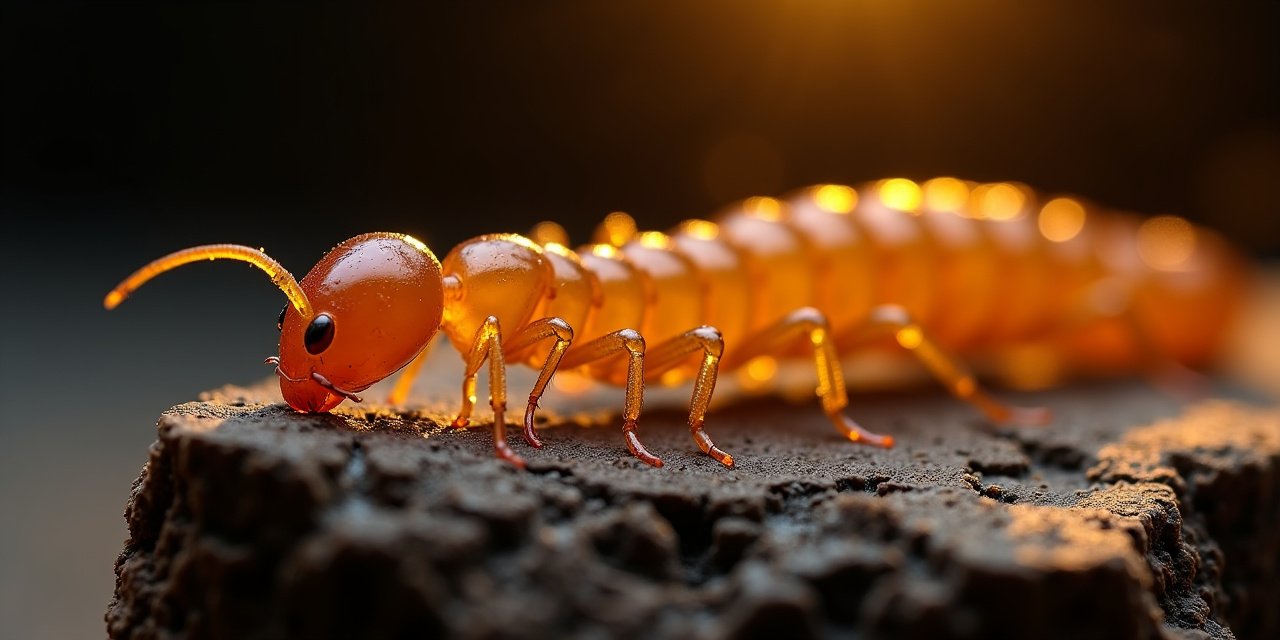
New York moved from No. 16 to No. 9 on Orkin's 2026 Top 50 Termite Cities list, a bigger jump than any other city ranked.
The Short Version
This Pristine Pest news report covers a ranking shift with a real cause behind it. New York reentered the top 10 of Orkin's annual termite cities list this year, landing at No. 9.
That's a jump of seven spots in a single year, the largest climb of any city on the 2026 list. Miami held its usual No. 1 spot for a fourth straight year.
Separately, published termite-range research modeling ten invasive termite species found that warming and urbanization could expand where several species can survive. New England and the upper Midwest were flagged among the regions most exposed to that shift.
Neither data point proves an infestation wave has already hit Westchester. Together they explain why termite season now starts earlier and runs longer than it used to.
Why New York Jumped Seven Spots
Orkin bases its city rankings on termite treatments performed by its own branches over the prior year, not on a survey or a model. A seven-spot jump reflects more actual jobs, not just more attention to the issue.
Shannon Sked, Orkin's entomologist and national technical director, explained the mechanism behind cities near the top of the list. "Heat and dry conditions can allow termites to stay active longer," she said, describing why warm-weather markets continue to dominate the rankings overall.
That same mechanism cuts the other way for a place like New York. A milder winter and a drier spring extend the number of weeks a termite colony can forage and swarm, even this far north.
The Top 10, and Where New York Landed
Warm-weather metros still dominate. Florida alone holds six spots in the top 20. But the 2026 top 10 shows New York now sitting ahead of several cities that have topped termite lists for years.
| Rank | City |
|---|---|
| 1 | Miami, FL |
| 2 | Los Angeles, CA |
| 3 | Tampa, FL |
| 4 | Washington, D.C. |
| 5 | Orlando, FL |
| 6 | Houston, TX |
| 7 | West Palm Beach, FL |
| 8 | Dallas, TX |
| 9 | New York, NY |
| 10 | Atlanta, GA |
Westchester County sits inside the New York metro market Orkin tracks for this ranking. A citywide jump doesn't confirm a specific home is at risk, but it does confirm treatment volume across the region climbed.
The Research Behind the Trend
A separate study from researchers at the Université libre de Bruxelles modeled range shifts for ten invasive termite species under different climate scenarios. Their finding: as climate changes and urbanization intensifies, most modeled species' ranges could expand, particularly under a fossil-fuel-heavy development scenario.
The study identified the Formosan subterranean termite as posing heightened risk in large cities across the southeastern United States today. Its authors flagged New England, the upper Midwest and southern Canada as the regions most vulnerable to termite populations expanding into them over time.
That's a projection, not a confirmed local infestation report. But it lines up with what Orkin's treatment data already shows happening in New York this year, not decades from now.
Timeline SVG: Why Range Shift Matters More Than a Single Bad Season
A single warm winter doesn't relocate a species. What matters is whether termite colonies survive winter after winter in a place they previously couldn't, building up local populations instead of dying back to nothing each year.
That's the compounding effect behind a ranking jump this size. Each mild winter that lets a colony persist raises the odds the next one does too.
What Westchester Homeowners Should Check This Fall
Subterranean termites, the species most common in this region, build mud tubes to travel between soil and wood, avoiding open air. Those tubes along a foundation are one of the clearest signs of activity.
A few checks worth doing before the ground freezes:
- Pencil-width mud tubes running up foundation walls or piers
- Discarded, translucent wings collected near windowsills or door thresholds
- Wood trim or framing that sounds hollow or papery when tapped
- Paint that looks bubbled, cracked, or subtly rippled with no obvious cause
Any one of those is worth a professional look. Termite damage happens behind walls and under floors, well before it's visible from a hallway.
A termite inspection and protection plan is inexpensive next to structural repair costs once a colony has been established for a season or more.
Frequently Asked Questions
Is New York really on a top 10 termite cities list for 2026?
Yes. Orkin's 2026 Top 50 Termite Cities list ranks New York No. 9, up from No. 16 the year before. That seven-spot jump is the largest of any city on the list.
Why are termites spreading further north?
Orkin's entomology team points to heat and dry stretches keeping termites active longer into the season. Milder winters also let more colonies survive year to year instead of dying back in the cold.
When do termites swarm in Westchester County?
Eastern subterranean termites typically swarm in spring, but a mild winter and dry spring can push swarms earlier. A single swarm indoors is a strong signal of an active colony already inside a structure.
How do I know if my Westchester home has termites?
Watch for discarded wings near windowsills, mud tubes along the foundation, wood that sounds hollow when tapped, and paint that looks bubbled or cracked. Any of those warrants a professional inspection, not a wait-and-see approach.
Sources
Last updated: September 2, 2026
This article is provided for general educational purposes only and does not constitute pest control advice. Pest identification and treatment decisions should involve a licensed pest management professional. Pristine Pest is a lead generation service that connects homeowners with licensed pest control providers. We are not a licensed pest control company and do not perform inspections or treatments. Read our full disclaimer.
Pristine Pest may receive compensation when you contact pest control providers through this site. This does not affect the accuracy of our content.