The Short Version
Joro spiders have been "coming to New York" in headlines since at least 2022. It still hasn't happened, at least not officially.
The documented 2026 range covers roughly a dozen states across the Southeast and mid-Atlantic, with sightings reported as far north as Baltimore, Maryland. New York is not among them.
Scientists studying the spider's spread expect it to keep pushing north, potentially into the Great Lakes region and New England within a few years. But "expected to arrive eventually" and "confirmed established" are very different things, and most Westchester sightings shared online this summer are something else entirely.
What the Spider Actually Looks Like
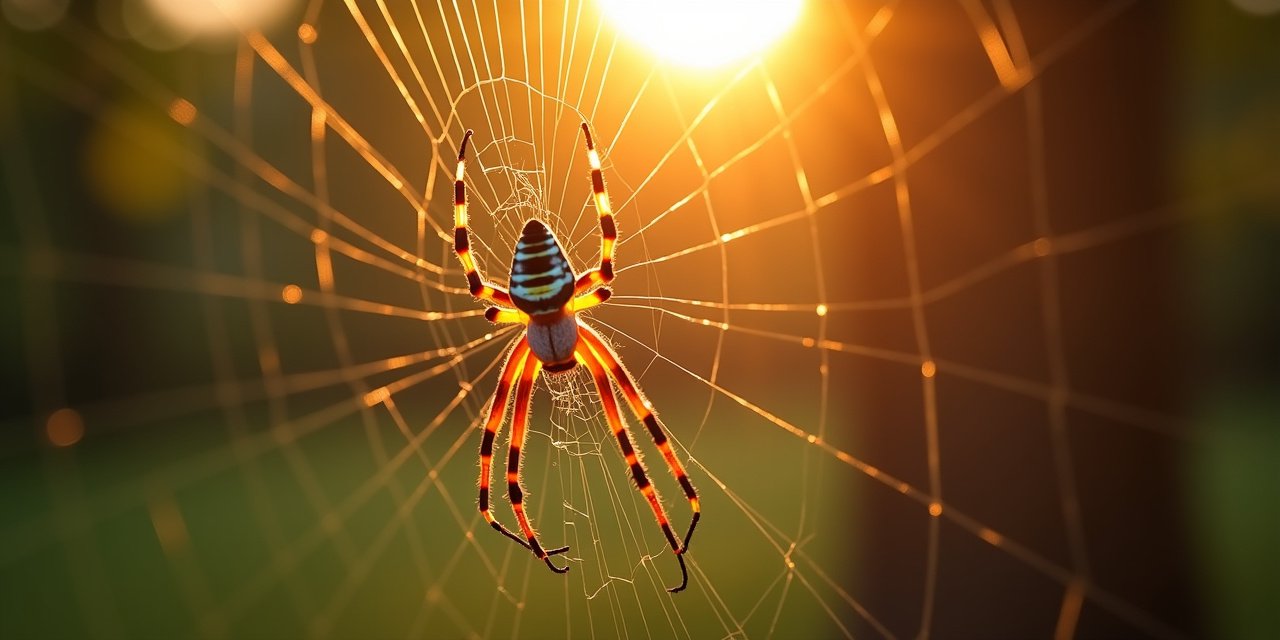
Joro spiders (Trichonephila clavata) are native to East Asia and were first documented in the US in Hoschton, Georgia, in 2013. Adult females have a body around an inch long, with a leg span up to roughly 4 inches, and they spin gold-tinted orb webs that can stretch up to 10 feet across.
Their coloring is distinctive: bright yellow with gray-blue banding on top, and a large red mark on the underside of the abdomen. Despite the size, University of Georgia researchers describe them as shy, more likely to freeze or drop from the web than confront a person.
Joro spiders are venomous, like almost all spiders, but their fangs are typically too small to break human skin. Bites are rare and, per Georgia extension researchers, no more medically significant than a bee sting for most people. There's no evidence they pose any special risk to pets.
New York's Two Real Look-Alikes
The spiders Westchester residents are actually photographing this time of year are almost always one of two native species, both large, both yellow-and-black, both prone to being called a "giant spider" on social media.
| Feature | Joro Spider (not confirmed in NY) | Yellow Garden Spider (native to NY) | Banana Spider / Golden Silk Orb-Weaver |
|---|---|---|---|
| Body shape | Narrower, cylindrical abdomen | Wider, oval abdomen | Elongated, cylindrical abdomen |
| Legs | Yellow with blue-black bands, no dense hair | Reddish-brown to black with yellow bands | Dense black hair tufts on several legs |
| Underside marking | Large red mark | No red mark | No red mark |
| Web detail | Gold silk, no zig-zag pattern | Bold zig-zag "stabilimentum" in web center | Gold silk, no zig-zag pattern |
| Confirmed in New York? | Not yet | Yes, common statewide | Not established this far north |
Comparison compiled from A-Z Animals and species identification guides.
Is It a Joro? Quick ID Check
Answer three quick questions about the spider you saw to narrow down what it most likely is.
1. What color is the web?
Why the Range Keeps Making Headlines Early
Part of the pattern is genuinely journalistic: "giant spiders coming to your state" performs well every summer, and stories get recirculated even when the underlying range map hasn't moved much since the last cycle.
Part of it is real, though. Researchers do expect continued northward expansion, based on the spider's cold tolerance and its rapid spread across the Southeast since 2013. Baltimore sightings this year are the closest confirmed activity to New York to date.
If a genuine Joro spider is eventually confirmed in Westchester, it likely won't be dramatic. It'll look like one more large yellow-and-black orb-weaver among the ones already common here, distinguished mainly by that red abdominal mark and the absence of a zig-zag web pattern.
What This Means for Westchester Homeowners
Nothing urgent. Large native orb-weavers are beneficial: they eat mosquitoes, flies, and other nuisance insects, and neither the yellow garden spider nor the banana spider poses a meaningful risk to people or pets.
If you photograph a spider you genuinely believe matches Joro's specific markings, red mark and all, your local Cornell Cooperative Extension office can help confirm identification. Everything else is almost certainly one of New York's long-established native spiders having a good summer.
Frequently Asked Questions
Are Joro spiders in New York yet?
Not confirmed as of this writing. The documented 2026 range covers roughly a dozen states, with sightings as far north as Baltimore, Maryland. Scientists expect the range to keep expanding toward the Northeast, but New York has no confirmed established population yet.
Are Joro spiders dangerous to people or pets?
No. Joro spiders are venomous like nearly all spiders, but their fangs are typically too small to puncture human skin, and they are shy, not aggressive. University of Georgia researchers describe them as more likely to flee or play dead than bite.
What is most likely being mistaken for a Joro spider in Westchester?
The yellow garden spider (also called the writing spider) and the banana spider, or golden silk orb-weaver, are New York's two large native orb-weavers most often mistaken for Joro spiders. Both build large webs and have bold yellow-and-black coloring.
How big do Joro spiders actually get?
Adult females have a body around 1 inch long, with a leg span up to about 4 inches. Their webs can stretch up to 10 feet across, spun in gold-tinted silk.
Sources
Last updated: August 19, 2026
This article is provided for general educational purposes only and does not constitute pest identification or treatment advice for your specific property. Pristine Pest is a lead generation service that connects homeowners with licensed pest control providers. We are not a licensed pest control company and do not perform inspections or treatments. Read our full disclaimer.
Pristine Pest may receive compensation when you contact pest control providers through this site. This does not affect the accuracy of our content.