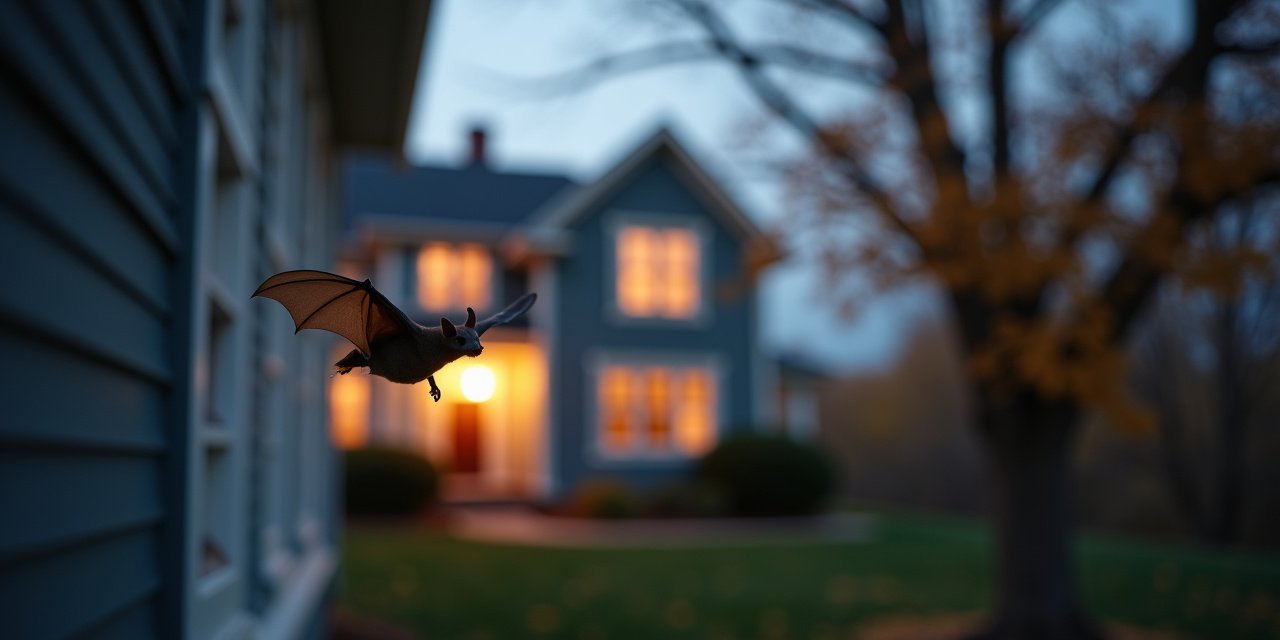
Bats were the largest confirmed-rabid category in the county's recent data. They outnumbered raccoons, skunks, foxes and cats combined.
The Short Version
This Pristine Pest news report covers what the county's own numbers say about bats indoors.
Westchester's Health Department tested 377 animals for possible human or pet contact. Thirteen tested positive for rabies.
Eight of those 13, well over half, were bats. The rest were a cat, a fox, a raccoon and two skunks.
That pattern is not new. One August, a local report on bat calls described a spike. Nearly 50 reported instances of bats inside homes occurred in just one week.
Why a Bat Indoors Is Treated Differently Than Other Wildlife
A bat's bite or scratch can be invisible, especially on sleeping people or children. This fact drives the county's entire response protocol.
Health Commissioner Dr. Sherlita Amler's guidance is clear: never handle unknown animals, sick or injured ones. Teach children this rule too.
For bats specifically, county guidance goes further. If contact occurs with a sleeping person or child, testing is required. Release is not safe without it.
"We don't want anybody taking a rolled up magazine or their shoe and smashing the bat because we need the head of that bat intact so we can test it." Assistant Commissioner Peter DeLucia, on why an intact specimen matters for rabies testing.
What Testing Actually Looks Like
Rabies testing requires examining brain tissue in a lab. A bat can appear normal while carrying the virus. Visual assessment alone is never enough to confirm safety.
That's why officials ask residents not to damage a bat's head. A crushed specimen makes testing impossible. This forces a cautious, more expensive medical response.
In a widely cited Westchester bat surge case, roughly 20 people received preventive rabies vaccination. They couldn't catch the bat that had contacted them. Testing later showed none of the bats collected that week were positive.
How Bats Actually Get Inside
Bats don't need much room to enter a home. County prevention guidance points to several common gaps:
- Loose or damaged screens on chimneys and attic vents
- Gaps around window-mounted or through-wall air conditioners
- Unsealed soffit and fascia joints on older homes
- Openings where roof lines meet siding or brick
Older Westchester homes have more chimneys, dormers and roofline detail. These offer more entry points. This profile matches the county's fall wildlife pattern when species seek indoor shelter.
2025 Confirmed Rabid Animals in Westchester County, by Species
Source: Westchester County Health Department, 13 confirmed rabid animals from 377 tested.
What Westchester Homeowners Should Actually Do
If a bat enters a living space, capture and contain it without direct hand contact. Call the Health Department at 914-813-5000 right away. The county's guidance is specific on this.
If you're bitten or scratched by any animal, get the owner's name and address. Verify vaccination records with them. Notify the Health Department regardless of what you find.
For prevention, seal chimney caps, vent screens and AC gaps before bats establish themselves. Once bats are roosting, professional wildlife exclusion with proper timing is standard. Don't seal an active roost shut.
Frequently Asked Questions
What should I do if a bat gets into my Westchester home?
Capture and contain the bat without touching it directly, then call the Westchester County Health Department at 914-813-5000. If the bat was in a room with a sleeping, young, or impaired person, it needs to be tested for rabies rather than released.
How many rabid animals were confirmed in Westchester last year?
The county Health Department tested 377 animals with possible human or pet contact. Thirteen were confirmed rabid, including eight bats, a cat, a fox, a raccoon and two skunks.
Can you tell if a bat has rabies just by looking at it?
No. Testing requires a lab to examine brain tissue, which is why officials ask residents not to damage a bat's head when capturing one. A bat can look and act normally while still carrying the virus.
How do bats get into homes in Westchester?
Bats enter through gaps as small as three-eighths of an inch around chimneys, attic vents, soffits, and air conditioner openings. Sealing those entry points is the primary long-term prevention method.
Sources
Last updated: September 2, 2026
This article is for general education only and is not medical advice. Wildlife and rabies decisions require the Health Department and a licensed provider. Pristine Pest is a lead generation service connecting homeowners with licensed providers.
We are not a licensed pest control company and do not perform inspections or treatments. Read our full disclaimer.
Pristine Pest may receive compensation from providers contacted through this site. This does not affect content accuracy.