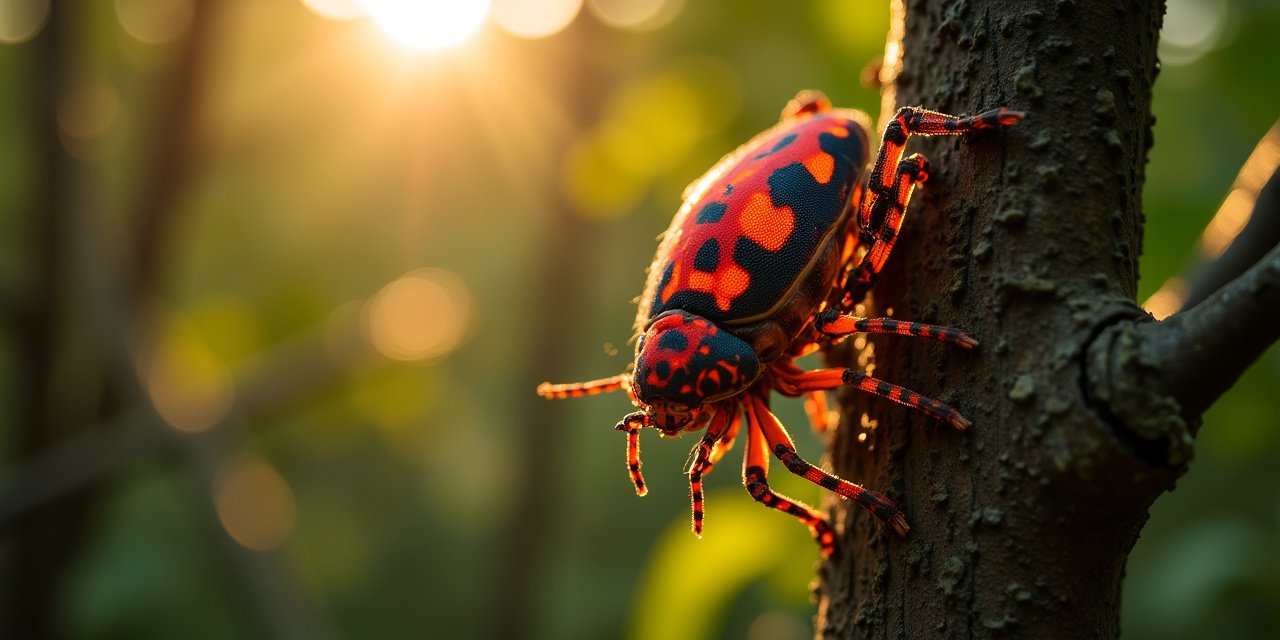
The spotted lanternfly (Lycorma delicatula) is no longer a threat on the horizon for Westchester County. It's here, it's established, and it's in Scarsdale neighborhoods. NYS DEC has designated all of Westchester County as a quarantine zone, which means certain restrictions on moving regulated plant material and outdoor items now apply to every homeowner in the area.
This isn't a case where "awareness" is enough. There are specific, time-sensitive actions homeowners can take (particularly during the egg mass season from September through May) that meaningfully reduce populations. There are also professional treatment options for homeowners with high-value landscape trees. And there are reporting requirements under NYS DEC's management program that residents should understand.
Here's what you need to know, organized so you can act on it.
How to Identify the Spotted Lanternfly
SLF goes through four nymph stages and an adult stage, and each looks different enough that homeowners sometimes don't recognize they're looking at the same species.
Early nymphs (instars 1–3, May–July): Tiny. About 1/8 to 1/2 inch. Black body with bright white spots in a regular pattern. No wings. They look like very small beetles or black-and-white spiders from a distance. Found on stems, vines, and low vegetation.
Late nymphs (instar 4, July–September): About 3/4 inch. Red and black body with white spots. Still wingless but more mobile. This stage is highly distinctive and hard to misidentify if you've seen a photo.
Adults (September–November until first hard freeze): Roughly one inch long. At rest, the forewings are gray with black spots and a black-and-white brick-like pattern near the tips. In flight, the hindwings flash bright red with black spots and a white band. Abdomen is yellow with black bands. Adults aggregate in large numbers on tree trunks, especially in late summer and fall. It's common to find dozens on a single tree.
Egg masses (September–May): The most important life stage for homeowners to recognize and destroy. Fresh egg masses look like a smear of gray putty or dried mud, about one inch long, slightly textured, sometimes with a waxy sheen. Older masses crack and look almost like dried concrete. Each mass contains 30 to 50 eggs. They're laid on any flat surface: tree bark, stone, brick walls, fences, outdoor furniture, parked vehicles, and landscaping equipment.
SLF has a strong association with Tree of Heaven (Ailanthus altissima), an invasive tree that's common along roadsides, fence lines, and disturbed areas throughout Westchester. If you have Tree of Heaven on or near your property, it's worth inspecting it thoroughly for egg masses and adult aggregations.
What Damage Does SLF Actually Cause?
Spotted lanternfly is a planthopper. It feeds by piercing plant stems and sucking sap. This drains energy from the plant, reducing its ability to grow, photosynthesize, and resist disease. Heavy feeding on a young or stressed tree can kill it outright. On established mature trees, SLF typically causes stress, reduced growth, and increased vulnerability to secondary pathogens rather than immediate death.
The secondary damage from honeydew is often more visible than the feeding injury itself. As SLF feeds, it excretes large quantities of a sticky sugar solution called honeydew. This coats leaves, stems, outdoor furniture, decks, and cars parked under affected trees. Honeydew then supports the growth of sooty mold, a black fungal coating that reduces photosynthesis and further weakens the plant. When a large aggregation of SLF has been feeding on a tree through the summer, the sooty mold coating can be extensive and alarming-looking.
SLF has been documented feeding on over 70 host species. In Westchester landscapes, maples, oaks, birch, black walnut, willow, and fruit trees are among the most commonly affected. Agricultural impacts are significant for grape growers in the Hudson Valley. SLF feeding on grapevines has caused substantial losses in vineyards across the region.[1]
There is no direct human health risk. SLF doesn't bite, sting, or transmit disease to people or animals.
Westchester's Quarantine Zone: What It Means for You
NYS DEC has designated all of Westchester County as part of the spotted lanternfly quarantine zone. The quarantine restricts the movement of regulated articles (including nursery stock, cut trees, woody debris, outdoor furniture, vehicles, and other items that may harbor egg masses) from quarantine counties to non-quarantine areas of New York State.
For most homeowners, the practical implication is this: if you're transporting outdoor items (camping gear, a trailer, firewood, patio furniture) from Westchester to a non-quarantine county, you're responsible for inspecting those items for egg masses before transport. Businesses that regularly move goods out of quarantine zones must obtain compliance agreements from NYS DEC.
This isn't bureaucratic fine print. It's the mechanism by which SLF has already spread from its initial Pennsylvania introduction to much of the Northeast. It hitchhikes on vehicles, equipment, and plant material. Being a hitchhiker pest is SLF's primary dispersal method, and human transport is why it's now in Westchester at all.
Tree Treatment · Scarsdale & Westchester
Worried about spotted lanternfly damage to your trees?
Pristine Pest connects Westchester homeowners with licensed tree care and pest management providers who offer trunk injection and perimeter treatment for SLF. No obligation.
Call (877) 938-6799How to Destroy Egg Masses
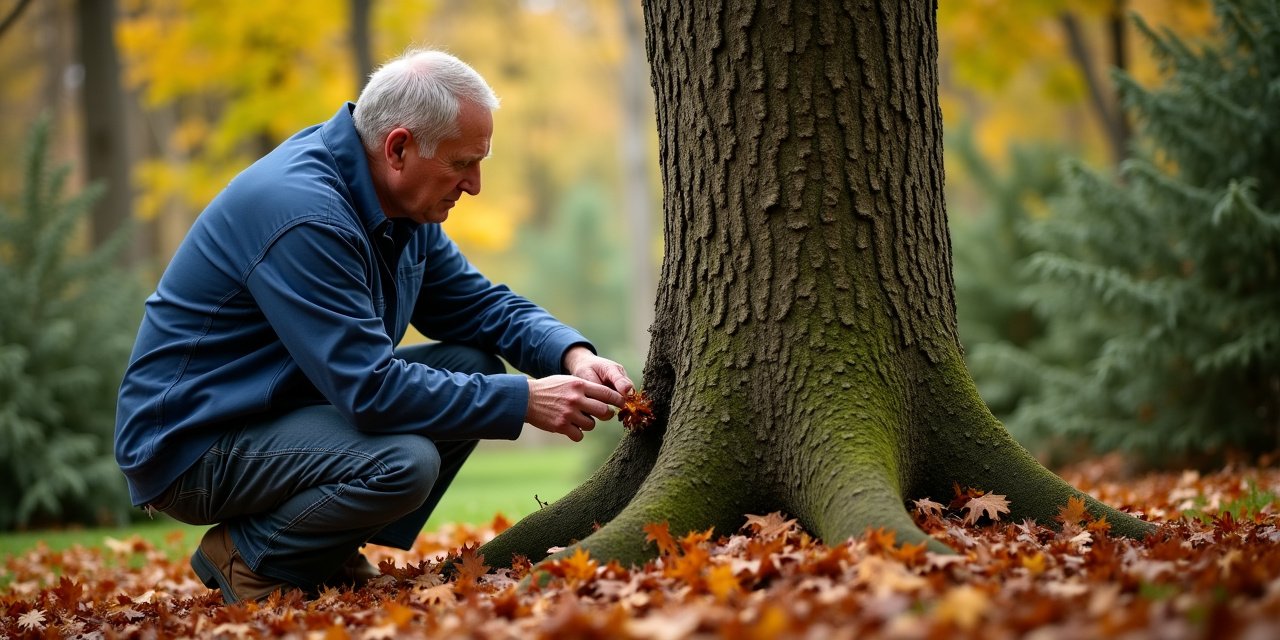
This is the single most effective action a Westchester homeowner can take against spotted lanternfly. The window is September through May: after adults lay eggs in fall and before they hatch in spring. Each mass you destroy eliminates 30 to 50 potential SLF. At scale across a neighborhood, consistent egg mass scraping makes a measurable difference in local population density.
Here's the correct method:
- Prepare a bag: Have a zip-lock bag with a small amount of hand sanitizer or rubbing alcohol inside before you start.
- Scrape the mass: Use a credit card, putty knife, or stiff brush to scrape the egg mass directly into the bag. Work from the edge inward. The mass is adhesive and may take some force to dislodge.
- Seal and dispose: Seal the bag, then put it in a second bag for extra security. Dispose in the trash, not compost.
- Check all surfaces: Egg masses are laid on any flat, dry surface. Check tree bark (especially Tree of Heaven, maple, and black walnut), stone walls, brick, wood fencing, deck boards, outdoor furniture, grills, lawnmowers, vehicles, trailers, and firewood.
If you find a fresh egg mass that hasn't been scraped, it appears as a smooth gray putty patch. After about two weeks of exposure, the surface cracks into a segmented pattern resembling a dried mud flat. Both fresh and weathered masses are viable and should be removed.
What Professionals Can Do
For homeowners with high-value landscape trees showing signs of SLF damage (or for properties with heavy infestations) professional treatment provides control options that go beyond what homeowners can do with consumer products.
Trunk injections: A licensed arborist or pest management professional injects a systemic insecticide directly into the tree's vascular tissue. The insecticide is transported throughout the tree with the sap, killing SLF feeding on any part of the plant. This is one of the most targeted and effective approaches for protecting individual high-value trees. It has minimal impact on pollinators and surrounding vegetation compared to spray applications.
Bark sprays: Contact insecticides applied to the lower trunk and bark of heavily infested trees kill SLF adults and nymphs that land on or crawl across treated surfaces. These need to be reapplied periodically through the season as residual effectiveness diminishes.
Perimeter sprays: Property-wide applications targeting adult SLF populations on vegetation. Effective at reducing adults during peak aggregation periods (late summer through fall). Licensed applications use commercial-concentration products that are more effective than retail consumer sprays.
Consumer insecticide sprays are legal to use on SLF and can kill adults and nymphs on contact. However, at the scale of an established infestation on mature trees, they're difficult to apply effectively and provide only short-term knockdown. If your goal is protecting specific trees you care about, professional trunk injection is a more reliable investment.
Related Reading
Frequently Asked Questions
What trees does spotted lanternfly attack?
SLF has been documented feeding on over 70 host plant species. In Westchester, the most commonly affected landscape trees include maples, oaks, birch, black walnut, willow, and fruit trees like apple and cherry. The invasive Tree of Heaven is its preferred host and acts as a population reservoir. Agricultural crops most at risk include grapes, hops, and apples. Conifers are generally not affected.
Is spotted lanternfly dangerous to people or pets?
No. Spotted lanternfly does not sting, bite, or transmit disease to humans or animals. It poses no direct health risk to people or pets. The concern is entirely agricultural and ecological. SLF damages trees and crops through sap-feeding and honeydew secretion. The sticky honeydew it secretes can coat outdoor furniture and surfaces but is not harmful.
What exactly do I need to report to NYS DEC?
Since all of Westchester is already a designated quarantine zone, a single SLF sighting here is expected. Large aggregations, infestations on specific host trees, or sightings in areas where SLF has not previously been confirmed are most valuable to report. Submit reports with photos at the NYS DEC spotted lanternfly portal at dec.ny.gov. The information helps track population spread and informs management decisions.
Does killing individual spotted lanternfly adults actually help?
At the individual level, yes. Every adult killed is one fewer insect potentially laying eggs. At a population level, stepping on individual adults won't meaningfully reduce an established infestation. The highest-impact action available to homeowners is destroying egg masses between September and May, before they hatch. A single egg mass contains 30 to 50 eggs. Consistent egg mass removal across a neighborhood makes a measurable difference in local population density.
How do I check my car for spotted lanternfly egg masses?
Egg masses look like a smear of gray, dried putty, roughly 1 inch long, slightly textured or cracked, often with a waxy sheen when fresh. On vehicles, check the front grille, wheel wells, undercarriage, and any recessed or textured surfaces. Also check roof racks, trailer hitches, and any outdoor equipment loaded in or on the vehicle. A quick check before driving out of Westchester takes 60 seconds and can prevent spreading egg masses to new areas.