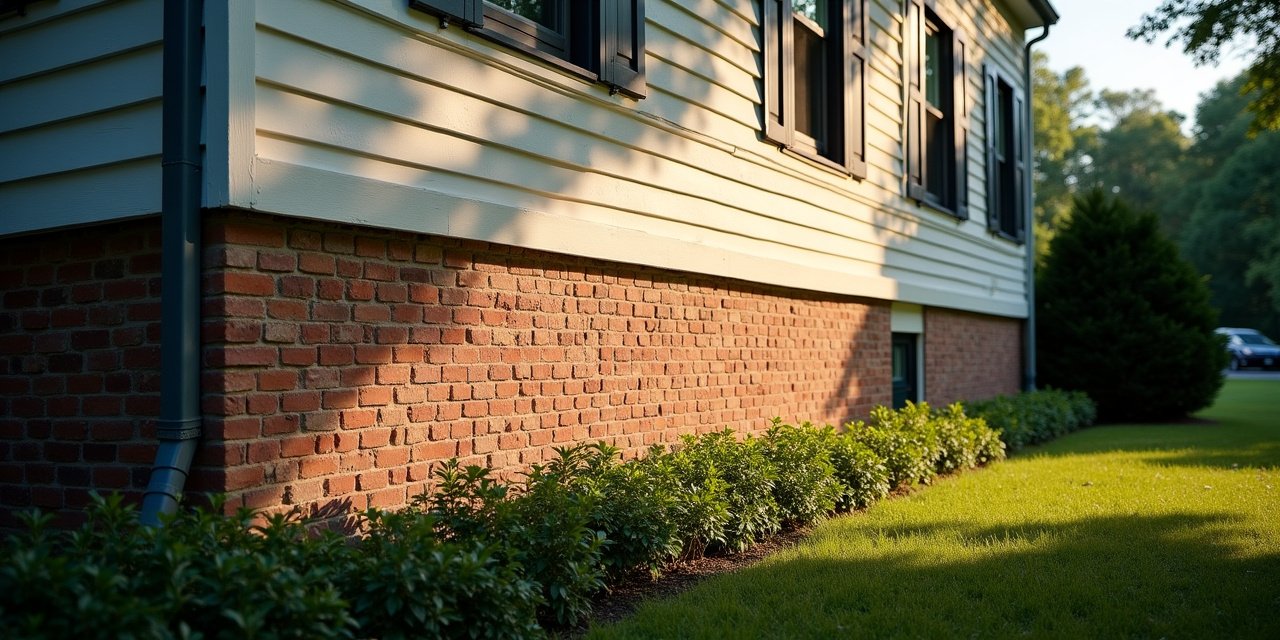
Look for mud tubes on foundation walls and discarded wings near windows. Tap suspicious wood and listen for a hollow sound. These signs mean it's time to call a licensed inspector.
Most Westchester homes carry some termite risk. Wood framing, mulch beds, and damp crawl spaces all invite subterranean termites in this region.
A homeowner can catch a lot before calling in help. This checklist walks through what to look for, room by room. It also covers what only a trained inspector can find.
Westchester's older housing stock adds risk. Homes built before the 1980s often used untreated lumber in framing and sills.
Add clay-heavy soil that holds moisture near the foundation. That combination gives termites food and shelter close by.
Pre-Inspection Self-Check: Mud Tubes, Frass, and Hollow Wood
Start outside before you go in. A five-minute walk around the foundation tells you a lot.
Look for mud tubes running up the foundation wall, piers, or sill plates. These pencil-width tunnels protect subterranean termites as they travel between soil and wood.
Break one open if you find one. Fresh, moist tubes mean active termites. Dry, crumbling tubes suggest the colony has moved on, but the risk isn't gone.
Check for frass near wood trim or baseboards. Termites don't leave frass behind. That's a carpenter ant sign, not a termite one.
Smooth, empty tunnels usually mean a carpenter ant gallery, not termite damage. Termite tubes are always caked with soil.
Discarded wings piled near a window mean swarmers emerged close by. A single swarm can shed hundreds of wings in one afternoon. That's a mature colony announcing itself, not damage in progress.
Flying ants get mistaken for termite swarmers often. Check the waist first: ants have a narrow, pinched waist. Termites keep a thick, straight waist instead.
Wing length is another clue. Termite wings run equal length and longer than the body. Ant wings come in two different lengths.
Tap wood trim, sills, and door frames with a screwdriver handle. Solid wood sounds sharp and dense.
Wood damaged by termites sounds hollow or papery. They eat wood from the inside out, leaving a thin shell behind.
Wood-to-soil contact deserves its own look. Any spot where framing or siding touches bare dirt is a direct bridge for termites. Fixing that gap is often cheaper than any treatment that follows.
- Mud tubes on foundation walls, piers, or sill plates
- Discarded wings near windowsills, light fixtures, or spiderwebs
- Wood that sounds hollow or papery when tapped
- Bubbling or rippled paint not explained by plumbing leaks
- Soft, crumbling wood along the foundation or deck ledger board
- Mud tubes on foundation walls are the clearest sign of active subterranean termites.
- Frass and smooth wood galleries point to carpenter ants, not termites.
- A hollow, papery sound when tapping wood suggests damage underneath.
- A pile of discarded wings means a swarm already happened nearby.
Room-by-Room Checklist
Work through the house room by room. Check off each item as you go. Anything you can't rule out is worth a professional look.
Grab a flashlight and a screwdriver before you start. Natural light hides shadows that reveal texture and damage. A slower pass beats a fast one, since termite signs are often subtle.
- Checking only the areas where you've seen ants or spiders before
- Skipping the crawl space or attic because it's hard to reach
- Assuming no live termites means no risk, when frass or dry tubes still point to past activity
- Painting over bubbled trim before finding out why it bubbled
Termite Inspection · Scarsdale & Westchester
Checked every box and still not sure? A checklist only catches what's visible.
Pristine Pest connects Westchester homeowners with licensed, Cornell-educated pest management professionals. They inspect what a checklist can't reach, including wall voids and sub-slab areas.
Schedule an InspectionWhat a Professional Inspector Checks That You Can't
A homeowner's checklist stops at what's visible. A professional inspector goes further, with training and tools built for hidden damage.
Inspectors probe wood with an awl instead of just tapping it. A probe finds soft spots a knuckle rap misses. They also check crawl spaces and attic corners most owners never enter.
- Moisture meters that find damp wood before you can see or smell it
- Sounding probes that locate soft wood hidden under paint or drywall
- Access to sub-slab areas and tight crawl spaces most owners skip
- Species identification, since treatment differs by termite type
- Documentation on a standard form for insurance, records, or a home sale
Inspectors also read subtler clues. They can tell old damage from active activity. They know which conditions invite termites back, like grade slope or excess mulch.
A typical visit follows a set path. The inspector starts outside, walking the full foundation perimeter. Next comes the interior, followed by the crawl space or basement and the attic.
Most visits run 30 to 60 minutes for an average home. You'll get a written report afterward, whether or not activity is found. Ask for photos of anything the inspector flags.
That kind of judgment comes from field experience, not a checklist. See our guide to termite inspections in Westchester for the full walkthrough of what's covered.
WDI Report Basics
A WDI report documents what a licensed inspector finds, using the NPMA-33 form. Most New York real estate deals require one before closing.
The NPMA-33 form breaks findings into four categories. Subterranean termites lead the list in this region.
Carpenter ants and wood-boring beetles are also covered. Drywood termites appear too, though they're rare here.
The form covers active infestation, past damage, and conditions that invite termites back. It does not cover general structural repairs or cosmetic issues. A WDI report is a snapshot, not a guarantee against future activity.
- Moisture testing beyond what relates directly to wood-destroying insects
- Mold assessment or air quality testing
- General structural evaluation of the home
- Pests outside the wood-destroying insect category, like mice or cockroaches
Buying or selling a Westchester home soon? Our guide to pest inspections for home buyers covers WDI timing and closing deadlines.
How to Prepare for an Inspector's Visit
- 30 to 60 minutes: typical length of a full WDI inspection for an average home
- $150–$250: typical cost of a standalone WDI inspection in Westchester County
- March–May: peak swarming season for Eastern subterranean termites in this region
A few things make the visit faster and more useful.
- Clear a path to the crawl space, attic, and basement access points
- Move boxes and furniture away from exterior walls where you can
- Write down where and when you noticed each warning sign
- Pull any old termite treatment or inspection paperwork you still have
- Ask ahead of time whether the report includes a treatment recommendation
Give the inspector access to every area, not just the rooms you're worried about. Termites don't stay where they started.
After the visit, read the report closely. Conditions marked "conducive" aren't active damage, but they're worth fixing anyway. Grade slope, mulch depth, and wood-to-soil contact are easy corrections that lower future risk.
Red Flags Requiring Immediate Action
Some signs mean you shouldn't wait for a scheduled inspection.
- Live termites or swarmers found inside the house, not just outside
- Mud tubes that are moist and active when broken open
- Floor or ceiling sections that sag, bounce, or feel spongy underfoot
- A screwdriver that sinks into a beam or sill with light pressure
- New wing piles appearing daily near the same window or door
- Buckling paint or drywall with no plumbing leak to explain it
Waiting rarely helps once a colony is active. Termites don't pause for winter inside a heated home. The subterranean species common in Westchester keeps feeding year-round once it reaches the foundation.
Every month of delay adds to the damage. Structural repair costs climb fast once framing and subflooring are compromised. Acting on red flags this week costs far less than waiting until spring.
Any one of these means calling now, not next month. Call (877) 938-6799 to get a licensed inspector out this week.
Spring is when Eastern subterranean termites swarm hardest in Westchester. If you've had activity before, start planning ahead for spring swarm season now. Waiting until April means losing your head start.
Frequently Asked Questions
What's the first sign of termites homeowners usually miss?
Discarded wings are the most overlooked sign. Homeowners sweep them up without realizing what they mean. A wing pile near a window usually means a swarm happened close by.
Can I do a full termite inspection myself?
A DIY check catches obvious signs like mud tubes and hollow wood. It can't see inside finished walls or under a slab. Pair your own check with a licensed inspection for full coverage.
How often should I check for termites?
Walk the exterior every spring and fall. Check basements and crawl spaces twice a year. If you've had termites before, an annual professional inspection is worth the cost.
Does homeowners insurance cover termite damage?
Most standard homeowners policies exclude termite damage entirely. Insurers treat it as a maintenance issue, not a covered peril. That's exactly why catching activity early matters so much.
What if I find termites but I'm not selling my home?
Termite damage doesn't stop because you're not selling. Left alone, the colony keeps feeding and the repair bill keeps growing. Treat it the same way you'd treat any structural problem, promptly.
Is it normal not to find any signs during a self-check?
Yes, that's common and doesn't rule out termites. Early activity often stays hidden behind walls or under slabs. A professional inspection catches what a visual check alone will miss.
A checklist gets you information. It doesn't get you certainty. If anything here gave you pause, that's worth a second look from a professional.