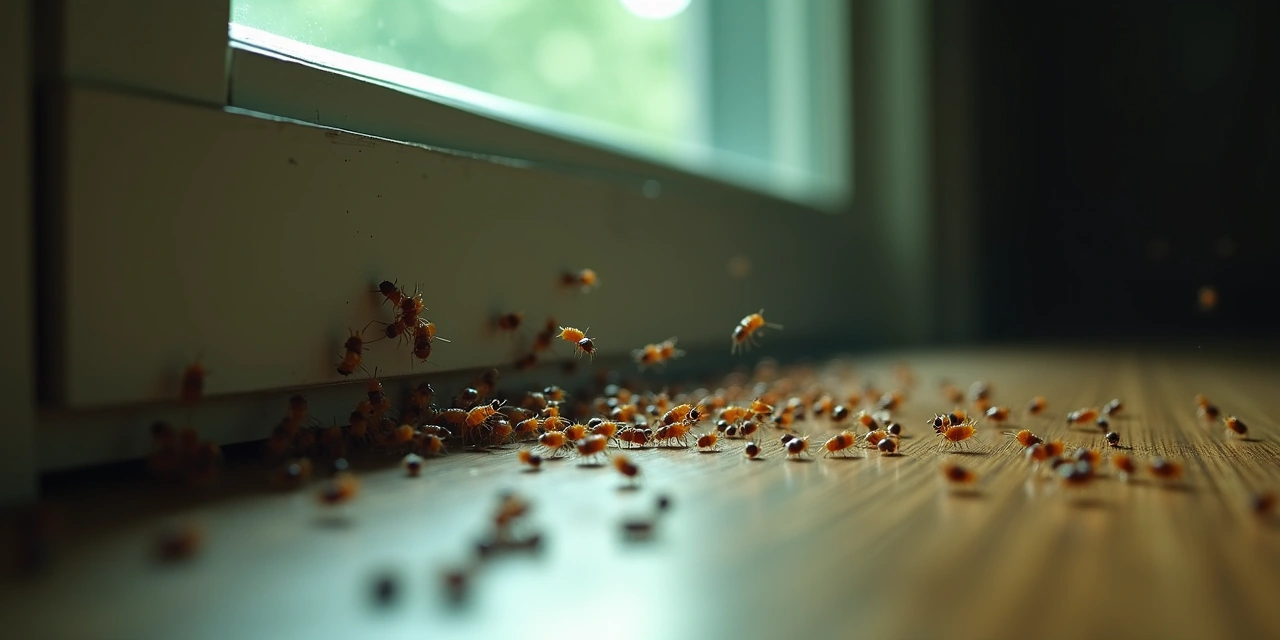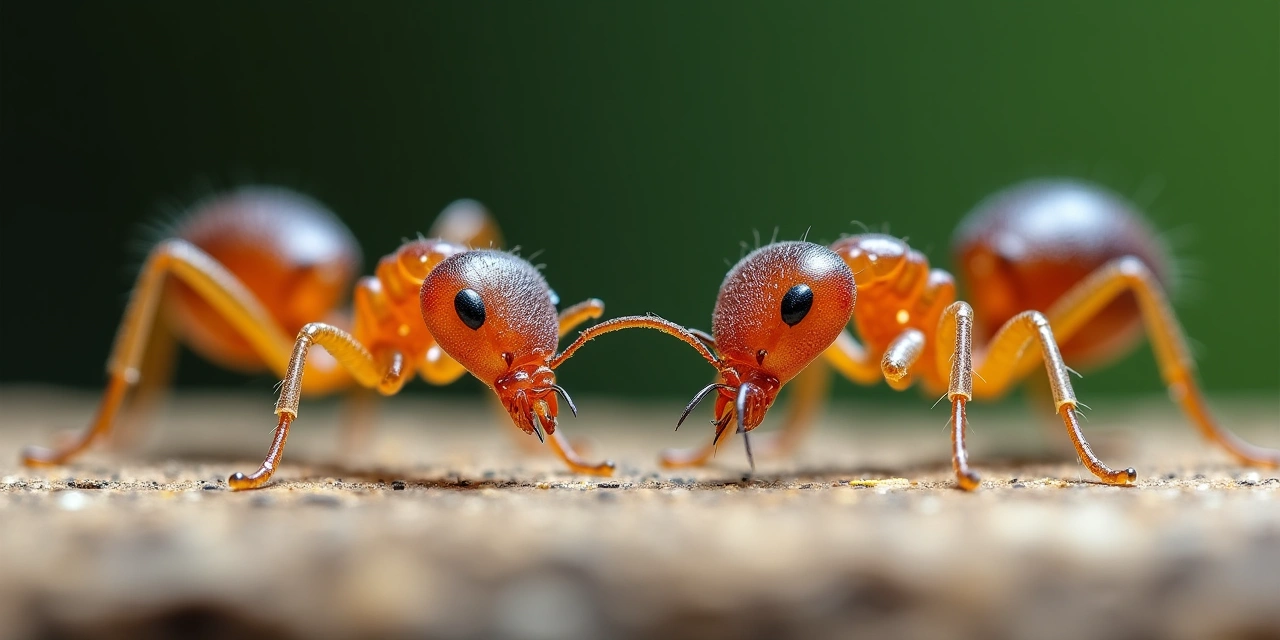
Terminix's 2025 annual ranking placed New York City at #2 in the nation for bed bug infestations, behind only Philadelphia. If you commute on Metro-North or the subway — or if you travel for work and stay in hotels — you have above-average exposure to bed bugs compared to the average American homeowner. That's not alarmist. It's geography.
Bed bugs don't live on people the way lice do. They travel on the things people carry: luggage, bags, coat pockets, and upholstered surfaces that people repeatedly contact. The mechanism is well-documented in the entomological literature: a bed bug or egg from a heavily infested environment transfers to a bag or piece of clothing, rides home, and establishes in a new location within 4–6 weeks. The NYC-to-Westchester Metro-North corridor is exactly the kind of high-traffic route where that transfer happens regularly.
This article covers how the transmission actually works, what to check when you return from the city or a hotel, the signs of an infestation in your home, what to do if you suspect you have one, and what the treatment options actually involve.
How Bed Bugs Actually Travel
Cimex lectularius — the common bed bug — does not live on its host. It feeds for roughly 5–10 minutes, then retreats to a hiding place in a seam, crack, or fold close to where the host sleeps. This behavior is why bed bugs are found in mattress seams, bed frame joints, headboard crevices, and nearby upholstered furniture rather than on the person being bitten.
The same behavior that keeps them off people is what makes them such effective travelers. A bug that retreats to the seam of a tote bag, the lining of a briefcase, or the fold of a coat collar can ride that item from an infested location to a new one without any assistance. Eggs — which are sticky and approximately 1mm long — adhere to fabric fibers and are nearly invisible without magnification.
The highest-risk transmission sources for Westchester commuters are, in rough order of risk: NYC hotel stays (the city ranks #2 nationally for infestation density), furnished short-term rentals in the city, offices in heavily infested Manhattan buildings, visiting friends or family in NYC apartments with an active infestation, used furniture purchased in or transported from the city, and thrift store clothing — particularly items that weren't washed before being put on.
Metro-North and subway seating present a real but lower-level risk. Subway cars use plastic and vinyl seating in modern trains, but older cars and commuter rail cars use fabric upholstery — Metro-North's interior seating is a genuine transfer surface. The risk is lower than a hotel stay because the exposure is briefer and the contact is more limited, but it's not zero.
The timeline matters for catching an infestation early. Bed bug eggs hatch in 6–10 days under warm conditions. Nymphs (juveniles) begin feeding within 10 days of hatching. A single mated female can lay 200–500 eggs over her lifetime at a rate of 1–5 per day. An infestation can establish from a single pregnant female within 4–6 weeks. This is why prompt checking after high-risk travel is more useful than waiting until you notice bites.
What to Check After Traveling to NYC
Post-travel inspection habits are the most effective prevention measure available. They take about five minutes and dramatically reduce the chance of introducing bed bugs from a hotel or NYC visit.
Before you bring luggage inside the house: inspect the exterior and interior seams and pockets of your bag in a well-lit location — the garage, a paved area outside, or the entry hallway before proceeding further. Look for small dark spots (fecal staining), tiny white oval eggs in seams, or the bugs themselves (apple-seed sized, flat, reddish-brown). If you stayed in a hotel, this is the highest-leverage moment — a bug found on the bag outside the house is far easier to deal with than one that's had three days inside.
Strip off travel clothing before entering the main living area if possible, and launder it immediately on the hottest wash and dry cycle the fabric tolerates. Heat kills bed bugs at all life stages — sustained exposure to 120°F is lethal. A standard dryer cycle on high heat for 30 minutes kills any bugs or eggs on clothing, even without washing.
When staying at a hotel: inspect the room before unpacking. Pull back the mattress cover and check the seams and corners of the mattress and box spring for fecal spots, shed skins, or live bugs. Check the headboard seams — this is the most frequently infested spot in hotel rooms. Look at the upholstered chair seams if the room has one. Keep your luggage on the luggage rack or in the bathtub (not on the floor or upholstered furniture) while you inspect. If you find evidence, request a room on a different floor — bed bugs travel through wall voids between adjacent rooms.
Post-travel vigilance is habit-forming once you do it a few times. The inspection takes less time than unpacking, and the alternative — discovering a three-week-old infestation that spread to two rooms — involves far more disruption.
Signs of Bed Bugs in Your Home
If a bed bug did make it inside, it will establish near where you sleep. The primary inspection area is always the mattress, box spring, and bed frame — within a few feet of where the host rests overnight.
Fecal spots are the most common first sign. Tiny dark brown to black dots — roughly 1mm, about the size of the period at the end of this sentence — appear on mattress seams, the fabric covering the box spring, the joints of the bed frame, and the seams of the headboard. These spots are digested blood. A fresh spot may smear slightly when dabbed with a damp cloth. Finding them in a concentrated area along a seam confirms bed bug activity at that location.
Shed exoskeletons (cast skins) look like translucent, hollow bug shells that hold their body shape. Bed bugs molt five times before reaching adulthood, leaving a shed skin at each stage. Finding multiple shed skins in mattress folds or bed frame joints confirms an established population — not a single bug passing through.
Eggs and live bugs. Eggs are white, about 1mm, and tucked into fabric folds and crevices where they're protected. Live bugs are found in the same locations: mattress seams, between the mattress and box spring, inside bed frame joints and screw holes, along the tufting seams of upholstered headboards, and — in heavier infestations — in nearby furniture, baseboards, and electrical outlets.
A sweet, musty odor in the sleeping area is reported in severe infestations — this is a pheromone released by the bugs. Most homeowners don't notice it until the infestation is significant.
Bites are not a reliable indicator. Roughly 30% of people show no visible reaction to bed bug bites. Many people who do react attribute welts to mosquitoes, allergies, or other causes. Bites can confirm a suspicion raised by physical evidence, but physical evidence is the only reliable diagnostic. Never rule out bed bugs because you haven't been bitten.
What to Do If You Suspect an Infestation
The actions you take — and don't take — in the first 48 hours after suspecting bed bugs have a significant impact on how difficult and expensive treatment will be. The wrong moves scatter the infestation; the right ones contain it.
Do not spray anything. Consumer sprays for bed bugs are repellent — they cause bugs to flee the treated area and establish in new locations. A problem in one bedroom becomes a problem in two bedrooms, the couch, and the guest room within a week. This is the single most damaging mistake homeowners make with bed bugs.
Do not move the mattress, box spring, or infested furniture to another room. Moving potentially infested items spreads the infestation to new areas. The mattress may be treatable or replaceable in place. Moving it through the house seeds new harborage.
Do not bag items and move them to the basement or a storage area. This creates new harborage sites and makes the infestation harder to treat and confirm as eliminated.
Do: Call a licensed pest control professional for an inspection. In Westchester, K9 detection teams are available and provide a level of accuracy that visual inspection alone can't match. A trained bed bug dog can detect an infestation at a single egg — far earlier than a visual inspection can confirm it. If you want certainty before committing to treatment, a K9 inspection is worth the cost.
Bed Bug Inspection — Scarsdale & Westchester
Suspect bed bugs? Don't spray. Call for a professional inspection first.
Pristine Pest connects Westchester homeowners with licensed bed bug inspection and treatment providers, including K9 detection services. Call to schedule.
Call (844) 578-2840Treatment Options: Heat vs. Chemical
Once an infestation is confirmed, there are two primary treatment approaches. Both require a licensed professional — there is no effective consumer-grade bed bug treatment that produces reliable results.
Heat treatment is currently the most effective single-treatment option for bed bugs. The entire room is brought to 120–135°F and held at that temperature for several hours, using industrial heating equipment. At those temperatures, all life stages — eggs, nymphs, and adults — are killed regardless of where they're hiding, including inside furniture, behind baseboards, and in wall voids that chemical treatment can't reach. A properly executed heat treatment requires only one visit in most cases. The downsides are cost ($1,200–$2,500 for a typical room treatment in Westchester) and the need to prepare the space (certain items, candles, medications, and heat-sensitive electronics need to be removed).
Chemical treatment uses a combination of targeted residual spray applications and an insect growth regulator (IGR) to kill bugs on contact and prevent reproduction in surviving juveniles. Chemical treatment typically requires 2–3 visits spaced 2 weeks apart, because eggs present at the first treatment hatch between visits and must be treated as nymphs. The upfront cost is lower than heat — typically $400–$900 per treatment — but the multi-visit timeline extends over 4–6 weeks. Chemical treatment also requires more thorough preparation (laundering, bagging, decluttering) than heat.
Both approaches, when performed by a licensed professional, produce good outcomes. The choice typically comes down to budget, timeline, and the extent of the infestation. A professional can assess which approach is better suited to your specific situation and home layout.
Frequently Asked Questions
Can you get bed bugs from riding the subway?
It's possible but not the primary transmission route. Bed bugs don't live on humans — they hide in fabric and crevices and hitchhike on bags and clothing. Subway seats in modern cars are plastic and vinyl, but Metro-North uses fabric upholstery, which is a genuine transfer surface. The risk is lower than a hotel stay. Practical mitigation: keep bags off upholstered seating when possible and inspect luggage before bringing it inside after any travel.
What does a bed bug bite look like?
Bed bug bites vary widely — from no visible reaction (about 30% of people) to red, itchy welts, often appearing in a line or cluster on exposed skin. The problem is that many people who do react attribute bites to mosquitoes or allergies. Bites alone are never sufficient to confirm or rule out bed bugs. Physical evidence in the sleeping area — fecal spots, shed skins, eggs, or live bugs — is the only reliable diagnostic.
How do I check a hotel room for bed bugs?
Before unpacking: put luggage on the rack or in the bathtub, then pull back the mattress cover and check the seams and corners for fecal spots, shed skins, or live bugs. Check the headboard seams and box spring fabric. Look at the seams of any upholstered chair. If you find evidence, request a room on a different floor — bed bugs spread through wall cavities between adjacent rooms.
Can bed bugs live in my car?
Yes, though it's uncommon as a primary infestation site. Bed bugs prefer to stay near their sleeping host, and a car doesn't provide regular overnight feeding. However, they can survive in a car for several months without feeding, and an infested item transported in a car can drop bugs that persist. If you've transported potentially infested items, vacuum the upholstery thoroughly and check the fabric seams.
How long can bed bugs survive without feeding?
Adult bed bugs can survive 12 to 18 months without a blood meal under cool conditions. This is why leaving a room empty for a month doesn't eliminate them, and why heat treatment — which kills all life stages regardless of their hiding location — is the most reliable single-treatment option. Nymphs survive somewhat less time but still several months.