
Search interest for "exterminator near me" runs between 75 and 92 out of 100 on Google Trends right now, and the people searching are almost all reacting to something they've already found. An ant trail across the kitchen counter. A mouse dropping behind the stove. They're calling after the problem started.
A 30-minute walkthrough of your home in early spring (before carpenter ants swarm, before mice start breeding in the walls, before mosquitoes have standing water to hatch in) is worth ten times the cost of a treatment call you prevent. This isn't abstract advice. The specific conditions that attract and harbor pests are identifiable and fixable. You just need to know where to look.
This checklist is organized by zone, not by pest, because most pest prevention issues affect multiple species simultaneously. Fix the moisture problem in the basement and you're addressing termites, carpenter ants, drain flies, and silverfish at once. Seal the foundation gap and you're stopping mice, ants, and crickets. Think in terms of conditions, not creatures.
Exterior Foundation and Entry Points
Start outside. Walk the entire perimeter of your home (all four sides, including the section you never look at) and spend time at each corner and at every place where something penetrates the foundation.
Foundation cracks: Any crack wider than 1/4 inch in a concrete or masonry foundation can admit mice. Carpenter ants and various insects need even less space. Hairline cracks in poured concrete are usually cosmetic, but diagonal cracks near corners and cracks wider than a credit card edge should be sealed with hydraulic cement (for active moisture) or polyurethane caulk (for dry cracks). Make note of anything wider than that for a structural engineer's review.
Pipe and utility penetrations: Where gas lines, water supply, electrical conduit, cable TV, and dryer vents enter the foundation are the most exploited entry points in Westchester homes. These openings are frequently oversized: a 1/2-inch pipe through a 1-inch hole leaves a gap that mice use routinely. Pack steel wool tightly into the gap first, then seal over it with caulk or expandable foam rated for exterior use. Steel wool alone won't hold long-term; it needs to be fixed in place.
Wood-to-soil contact: Any wood that touches soil is a termite and carpenter ant invitation. Check deck posts, wood lattice, landscaping timbers, and fence posts. There should be an air gap between finished wood framing and soil grade level. If your deck posts are sitting directly in soil or are buried in mulch, that's a significant risk factor.
Firewood and debris storage: Wood piles stored against the house or under the deck are carpenter ant harborage and termite bait. Move firewood at least 20 feet from the structure and store it elevated on a rack. Remove leaf piles, old lumber scraps, and cardboard from foundation zones: all of these hold moisture and attract pest activity.
Vegetation contact: Shrubs growing against the foundation wall trap moisture and provide concealed harborage. Tree branches overhanging the roofline should also be trimmed back, as they hold moisture against soffits and fascia, accelerating wood rot that creates pest entry points. Ideally, keep vegetation at least 18 inches from foundation walls and trim branches away from roof contact.
Roof, Gutters, and Attic Access
Most homeowners inspect their foundation and interior religiously but completely ignore the top third of their home's envelope. This is where carpenter ants establish satellite colonies, where standing water from blocked gutters creates wood rot that termites and carpenter ants exploit for years, and where gaps in soffits and fascia become pest entry points.
Gutters: Clogged gutters do two damaging things simultaneously. They create standing water, which is mosquito habitat and which, when it overflows, soaks into fascia boards and soffits creating rot. And they cause ice dams in winter that pull the gutter away from the fascia, creating gaps. Clean gutters in early spring after the last freeze. Check that downspouts are directing water at least four feet from the foundation. If water pools against your foundation, you have elevated termite and carpenter ant risk year-round.
Soffit and fascia: Soffits are the horizontal panels under roof overhangs. They frequently have ventilation screens that rot, crack, or get torn. Walk the roofline and look for any discoloration (rotted wood), sagging panels, or visible daylight through ventilation holes. Fascia boards (the vertical boards behind gutters) should be firm and painted. Soft or spongy fascia indicates rot; this is priority exclusion work.
Chimney and roof vents: Uncapped chimneys allow debris accumulation, moisture intrusion, and insect entry. A standard chimney cap costs $100 to $300 installed and is standard preventive maintenance. Check that all roof vent covers are intact: ridge vents, gable vents, and bath/kitchen exhaust vent caps should have undamaged screens or flaps.
Attic inspection: On a bright day, go into the attic and shut off any lights. Look for daylight: any visible gap is a potential pest entry point. Also check the attic insulation for signs of rodent tunneling or nesting: compressed, discolored, or shredded insulation in corners or near eaves is a strong sign of mice. Look for droppings, which confirm active use versus historical activity.
Kitchen, Bathrooms, and Utility Areas
Inside the home, moisture and food availability drive pest pressure. Kitchens and bathrooms are the priority zones.
Under-sink cabinets: The pipe penetrations through the cabinet floor are almost always oversized. Open the cabinet under every sink in the house and look at the gap around each pipe. If you can see the floor below or feel a draft, that gap connects to the wall void and ultimately to the exterior or basement. Pack with steel wool and caulk.
Drain maintenance: Slow or partially blocked drains accumulate organic material (hair, food particles, soap scum) that drain flies breed in. Drain flies look like tiny moths and emerge from sink and shower drains, typically in spring as temperatures warm. Pour boiling water down slow drains monthly, or use a drain brush to physically clear the drain pipe interior. Enzyme-based drain cleaners (not chemical bleach) break down organic buildup without damaging pipes.
Dry goods storage: Open bags of rice, flour, oatmeal, cereals, and dried pasta are a food source for pantry moths, grain beetles, and in some cases rodents. Move dry goods into sealed containers with tight-fitting lids: glass, hard plastic, or metal. This single step eliminates the most common interior food source for stored-product pests.
Appliance gaps: The space between the stove and cabinets, behind the refrigerator, and beneath dishwashers where the drain line exits are common mouse entry points and food debris accumulation zones. Pull the refrigerator out once a year and check the floor and wall gap behind it. Check that the dishwasher drain line is properly sealed where it enters the cabinet wall.
Basement and Crawl Space
The basement and crawl space are where most serious pest problems originate, and where most homeowners look least often. Termites build mud tubes on foundation walls in the basement. Carpenter ants establish satellite colonies in floor joists. Mice run behind wall insulation and in the gap between the sill plate and foundation.
Moisture control: The single most impactful thing you can do for your basement is to get relative humidity below 50%. Above that threshold, wood moisture content rises to levels that termites and carpenter ants find attractive, mold begins establishing, and stored cardboard becomes harborage for cockroaches and silverfish. A dehumidifier in a damp basement is pest prevention: set it to 45–50% RH and empty or drain it regularly.
Wood inspection: Probe exposed floor joists, sill plates, and any wood framing in the basement or crawl space with a screwdriver. Wood that gives easily under probe pressure, crumbles, or sounds hollow when tapped may have moisture damage, termite activity, or carpenter ant galleries. Pay particular attention to the sill plate (the lowest piece of wood sitting directly on the foundation), as this is where subterranean termite attack typically begins.
Window wells: Basement window wells that aren't covered collect leaves, debris, and water. Covered window wells prevent this accumulation and also prevent pests from using the well as a sheltered entry point against the window screen. Install standard plastic window well covers if yours are open.
Vent screens: Foundation and crawl space vents need intact screens. Damaged screens admit mice, snakes, and insects. Check each vent from the exterior: the screen should be securely attached with no tears, rust holes, or separation at the edges.
Free Pest Inspection: Westchester County
Want a professional eye on your home's vulnerabilities?
Pristine Pest connects Westchester homeowners with licensed inspection providers. No obligation, no pressure. Just a thorough assessment from a licensed professional.
Call (877) 938-6799Garage and Attached Structures
The garage is the most common unmonitored entry point into the rest of the home. Homeowners seal the foundation and the basement but leave the garage as an open border.
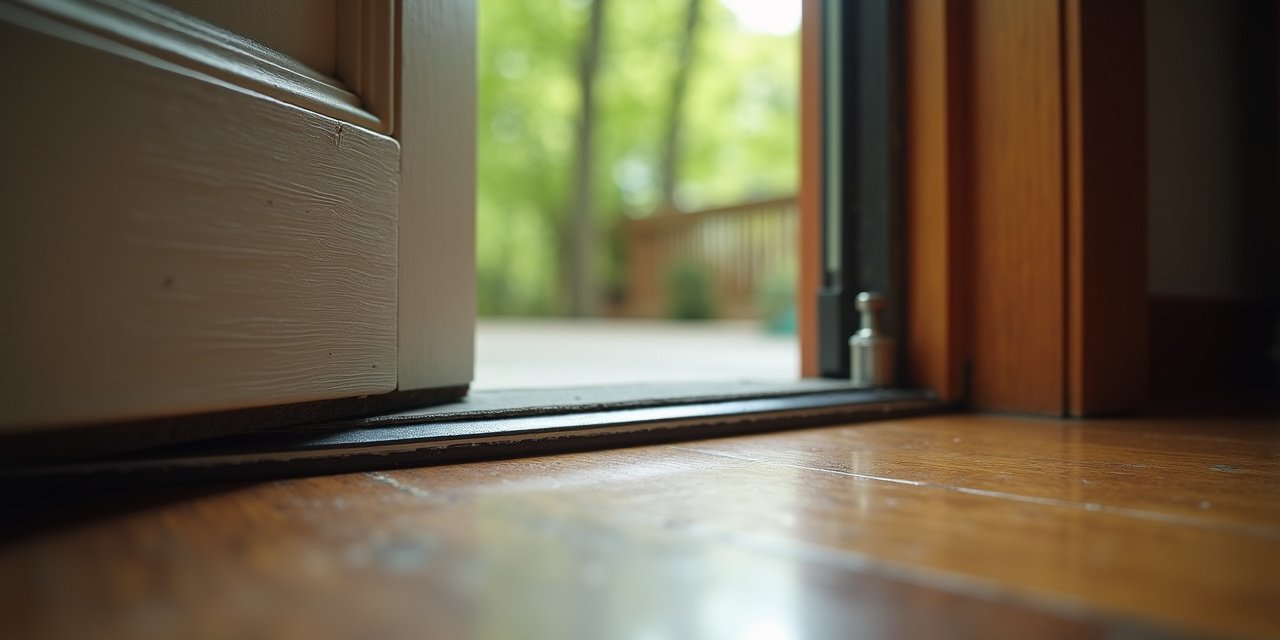
Garage door seal: The rubber seal along the bottom of a garage door compresses over time and develops gaps, particularly at the corners. A mouse needs a gap of only 1/4 inch to squeeze through. Check the seal by shining a flashlight along the bottom edge from inside the closed garage on a bright day; if you see light, mice can enter. Door bottom seals are inexpensive hardware store fixes. Also check the side seals where the door meets the door frame.
Garage-to-house wall: The wall separating the attached garage from the living space should be treated like an exterior wall, fully sealed. Any gap where wiring, plumbing, or HVAC runs from the garage into the house is a pest highway. Carpenter ants frequently establish satellite colonies in the garage-house wall void because it receives heat from both sides and is rarely disturbed.
Attic access panels: If you have an attic access hatch in the garage, check that it's seated properly and has a gasket or foam seal around the perimeter. An unsealed attic access lets mice and insects move between the garage and attic freely.
Related Reading
- Why Do Ants Keep Coming Back? The Real Answer
- Fall Rodent Proofing Guide for Westchester Homes
- Tick & Mosquito Control · Scarsdale & Westchester
- Tick Season 2026: What Westchester Homeowners Need to Know
Frequently Asked Questions
When should I do my spring pest inspection?
The ideal window is late March through mid-April in Westchester County, before carpenter ants and termites swarm, before overwintering mice begin actively breeding, and before mosquito and tick populations peak. Doing it during this window means you're identifying vulnerabilities before pests exploit them, not after. If you're already in May, do it now rather than waiting for next year.
What's the most common spring pest entry point?
Gaps where pipes and utility lines enter the foundation are consistently the most overlooked entry point. These openings are often 1/2 inch or larger, invisible from inside the house, and located in areas that rarely get attention. Mice need only a 1/4-inch gap. Sealing these with steel wool packed behind waterproof caulk or metal flashing is one of the highest-value steps you can take.
Do I need a professional inspection or can I do it myself?
A DIY walkthrough using this checklist is valuable and can catch the obvious vulnerabilities. But a professional inspection goes further: licensed inspectors use moisture meters to detect elevated wood moisture (which attracts termites and carpenter ants before any visible damage appears), check inside wall voids, and can identify pest evidence that most homeowners walk past. For any home over 10 years old or with a history of pest activity, a professional inspection every 1 to 2 years is worth the cost.
How much does exclusion work typically cost?
Basic exclusion work (sealing foundation cracks, installing door sweeps, capping pipe penetrations) typically runs $200 to $600 when done by a pest control company as part of a service. Full rodent exclusion (systematically finding and sealing every entry point with professional-grade materials) costs $500 to $2,000+ depending on home size and the number of entry points.
What pests are most active in early spring in Westchester?
In March and April in Westchester County, the main pests becoming active are carpenter ants (which may have been overwintering in wall voids and begin swarming April through June), subterranean termites (primary swarm season is April through May), mice that begin active breeding as temperatures warm, and cluster flies or stink bugs that overwintered in attic spaces. Tick activity also starts in March for deer ticks. Doing your checklist early gets ahead of all of them simultaneously.