Rodent Threats in Scarsdale
House mice and Norway rats are the primary commensal rodent pests in Westchester County. These pests thrive in close association with human habitats, infesting homes year-round.
Rodents pose serious health and safety risks:
- Disease transmission: Hantavirus, Salmonellosis, Leptospirosis, Lymphocytic choriomeningitis
- Food contamination: Rodent droppings and urine contaminate food storage areas
- Fire hazards: Gnawing on electrical wires causes thousands of fires annually
- Allergens: Rodent dander and droppings trigger asthma and allergies
- Property damage: Gnawing damages walls, insulation, and stored items
Signs of Rodent Activity
- Droppings: Small, dark pellets near food sources and nesting areas
- Gnaw marks: Chewed holes in walls, food packaging, wires
- Rub marks: Oily smudges along walls where rodents travel
- Nests: Shredded materials in hidden locations
- Sounds: Scratching or squeaking in walls, especially at night
- Odors: Musty smell from urine and droppings
Our Rodent Control Approach
Comprehensive Inspection
Technicians identify rodent species, locate entry points, and assess the extent of infestation through:
- Visual evidence identification
- Entry point discovery
- Nesting location identification
- Damage assessment
Exclusion
Exclusion is the foundation of lasting rodent control:
- Seal foundation cracks and gaps
- Install door sweeps and weather stripping
- Seal utility penetrations
- Install vent covers and mesh screens
- Close gaps around pipes and conduits
Trapping
Our partners use various trapping methods:
- Snap traps: For quick population reduction
- Glue boards: For monitoring and capturing
- Live traps: For humane capture (where legal)
Baiting
Rodenticides may be used for severe infestations:
- Anticoagulant baits: Prevent blood clotting; multiple feeds required
- Acute baits: Single-feed effectiveness
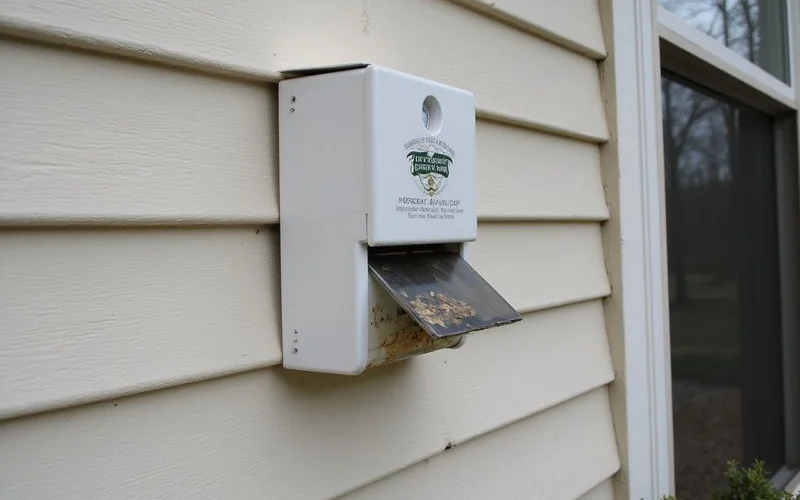
- Tamper-resistant stations: Safe for use around pets and children
Prevention Tips
- Store food in sealed containers
- Keep pet food sealed
- Eliminate water sources
- Keep gutters clean and properly draining
- Seal trash in rodent-proof containers
- Trim vegetation away from the house
- Store firewood away from the structure
Frequently Asked Questions
How did I get rodents?
Mice can squeeze through openings as small as 1/4 inch. They enter through foundation cracks, utility openings, vents, and gaps around doors.
Once inside, they find food, water, and shelter.
Can I solve this problem myself?
DIY methods rarely solve rodent problems permanently. Without proper exclusion, new rodents simply reinfest.
Professional control addresses both the existing infestation and prevents future entry.
Are rodenticides safe?
When applied by licensed professionals, rodenticides are safe. Our technicians use tamper-resistant bait stations that prevent access by pets and children.
How long does treatment take?
Initial population reduction occurs within days. Complete elimination and exclusion may take 2-4 weeks depending on infestation severity.
Act Now Before Damage Worsens
Rodent problems worsen quickly—a pair of mice can produce dozens of offspring in a year. Contact our network of licensed professionals for comprehensive control.
Related Resources
Learn about rodent biology in our glossary. For health information, visit the Westchester County Health Department.