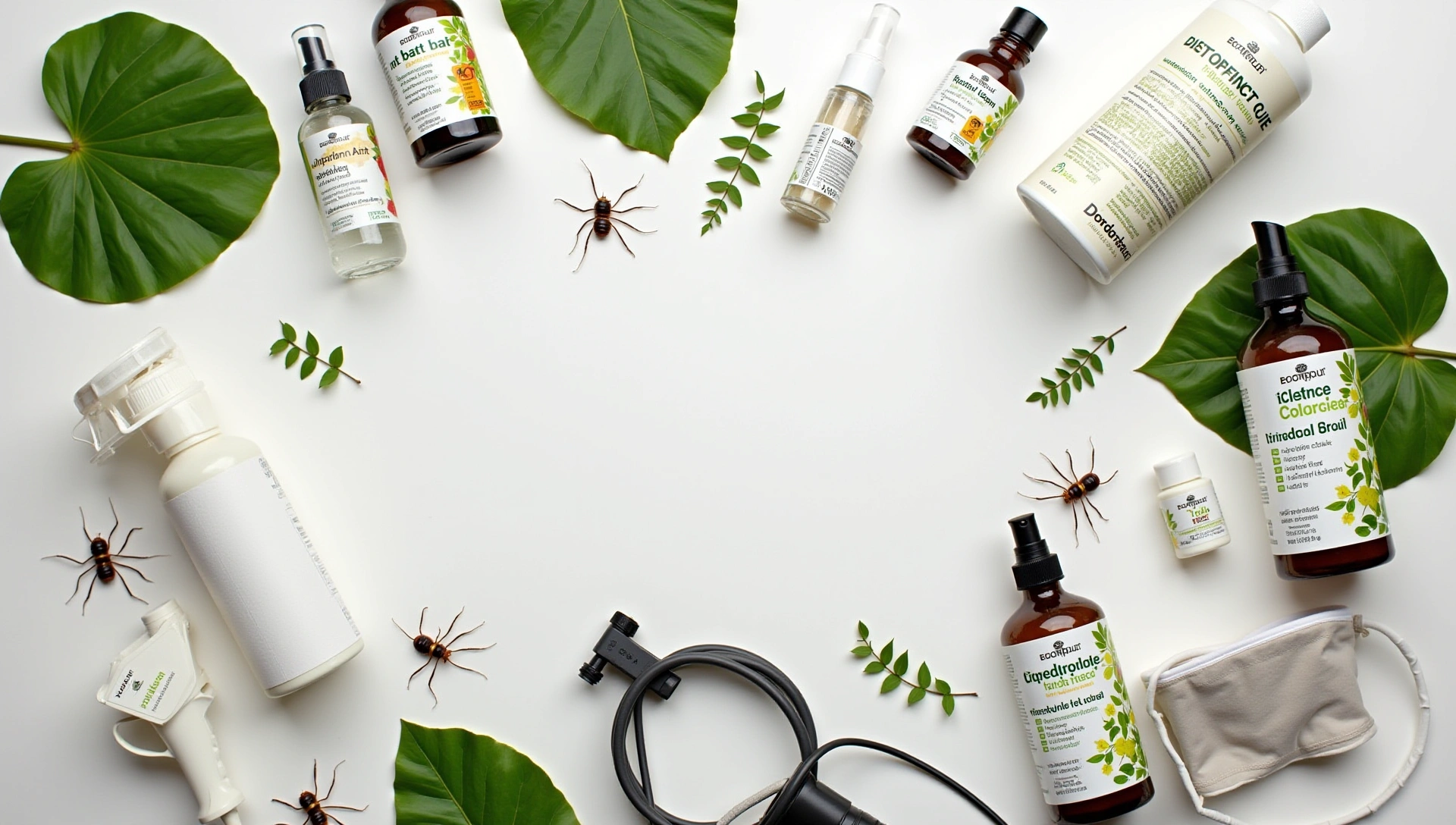
What Are Eco-Friendly & IPM Pest Control Solutions?
Integrated Pest Management (IPM) is an ecosystem-based approach that focuses on long-term prevention of pests and their damage through a combination of techniques including biological control, habitat manipulation, modification of cultural practices, and use of resistant varieties. Unlike traditional pest control that relies primarily on chemical spraying, IPM emphasizes understanding pest biology and using the least toxic methods first.
The U.S. Environmental Protection Agency (EPA) defines IPM as a sustainable approach that manages pest damage by the most economical means while posing the least possible hazard to people, property, and the environment. This methodology is particularly important in residential areas like Scarsdale, where families with children and pets need safe, effective solutions.
EPA Guidelines for Safe Pest Management
The EPA provides comprehensive guidelines for implementing IPM in residential settings. Key principles include:
- Prevention First: Focus on preventing pest problems before they occur through proper sanitation, exclusion, and maintenance.
- Threshold-Based Action: Only take action when pest populations exceed acceptable levels, not at the first sight of a single insect.
- Least-Toxic Methods: Begin with physical, mechanical, and biological controls before considering chemical treatments.
- Targeted Application: When chemicals are necessary, apply them precisely to affected areas rather than broadcasting broadly.
- Regular Monitoring: Continuously evaluate effectiveness and adjust strategies as needed.
Benefits for Families with Children and Pets
Scarsdale homeowners increasingly prioritize eco-friendly pest control because of the significant safety advantages for their loved ones:
Child Safety
Children are more vulnerable to pesticide exposure due to their smaller body size, developing organ systems, and behaviors like playing on floors and putting objects in their mouths. IPM reduces this risk by:
- Using baits in inaccessible stations rather than surface sprays
- Prioritizing exclusion techniques that require no chemicals
- Choosing products with low volatility that don't become airborne
- Applying treatments when children are not present
Pet Protection
Pets, particularly cats and dogs, explore environments with their noses and mouths, making them susceptible to pesticide contact. Pet-safe IPM approaches include:
- Using products specifically labeled as safe for domestic animals
- Placing treatments in locked bait stations or areas pets cannot access
- Selecting botanical insecticides with rapid breakdown
- Employing mechanical traps for rodent control instead of rodenticides
How IPM Differs from Traditional Spraying
Traditional pest control often follows a reactive schedule: technicians arrive on a predetermined interval, spray pesticide barriers around the home's perimeter, and move to the next appointment. While effective for immediate knockdown, this approach has limitations.
IPM takes a fundamentally different approach:
- Problem Identification: Before any treatment, technicians conduct thorough inspections to identify the specific pest species, locate harborage areas, and understand entry points.
- Root Cause Analysis: Rather than just killing visible pests, IPM addresses why pests are present—moisture issues, structural gaps, food sources, or conducive conditions.
- Strategic Timing: Treatments occur based on pest life cycles and seasonal activity, not arbitrary calendar dates.
- Multiple Tactics: Combines exclusion, sanitation, monitoring, and targeted treatments rather than relying solely on chemical application.
Common Eco-Friendly Methods
Professional IPM programs employ a hierarchy of techniques, starting with the least invasive:
1. Exclusion and Structural Modification
Exclusion is the foundation of sustainable pest management. By preventing pests from entering your home, we eliminate the need for interior treatments entirely.
Effective exclusion includes:
- Sealing cracks and gaps in foundations, walls, and around utility penetrations
- Installing door sweeps and weatherstripping on entry doors
- Repairing or replacing damaged screens and vents
- Trimming vegetation away from the structure to eliminate bridge pathways
- Addressing moisture problems that attract pests like carpenter ants
2. Monitoring and Detection
Early detection prevents small problems from becoming major infestations. Monitoring techniques include:
- Pheromone-based sticky traps for pantry and fabric pests
- Inspection traps for bed bug detection
- Visual inspections of potential harborage areas
- Documentation of pest activity trends over time
3. Targeted Treatments
When intervention is necessary, IPM favors precision over broadcast application:
- Bait Stations: Placed in specific areas of activity, baits attract pests to consume toxicant and return it to the colony. Modern baits are contained in tamper-resistant stations.
- Crack and Crevice Treatments: Direct application into voids and entry points rather than surface spraying.
- Insect Growth Regulators (IGRs): Disrupt pest development without harming non-target species.
- Botanical Insecticides: Plant-derived compounds like pyrethrins that break down quickly in the environment.
- Desiccant Dusts: Diatomaceous earth and silica-based products that work mechanically rather than chemically.
When Eco-Friendly Solutions Work Best
IPM and eco-friendly approaches are particularly effective for:
- Preventive Programs: Homes without current infestations benefit most from exclusion and monitoring.
- Low-Level Infestations: Early detection of ants, spiders, or occasional invaders responds well to targeted treatments.
- Chronic Issues: Recurring problems often indicate underlying structural or sanitation issues that IPM addresses.
- Sensitive Environments: Homes with infants, pregnant women, elderly residents, or individuals with chemical sensitivities.
- Food Preparation Areas: Kitchens require minimal chemical intervention for safety compliance.
Limitations and When Traditional Methods May Be Needed
While IPM is effective for most situations, there are circumstances where conventional methods become necessary:
- Severe Infestations: Established colonies of carpenter ants or bed bugs may require more aggressive initial treatment before transitioning to maintenance IPM.
- Health Emergencies: Venomous spider infestations or disease-vectoring pests like rodents in occupied spaces may justify immediate chemical intervention.
- Regulatory Requirements: Certain commercial food facilities have mandatory treatment protocols that exceed typical residential IPM.
- Time Constraints: Real estate transactions or imminent events may not allow the gradual timeline IPM sometimes requires.
In these cases, professional technicians can use traditional methods strategically while still minimizing overall chemical load through proper application techniques and post-treatment IPM protocols.
NYS DEC Guidelines Integration
New York State's Department of Environmental Conservation sets standards for pesticide application that align closely with IPM principles. Licensed professionals in Westchester County must follow DEC regulations including:
- Proper notification before residential applications
- Buffer zones around water bodies and sensitive areas
- Record-keeping for all pesticide use
- Integrated Pest Management requirements for schools and daycare facilities
- Restrictions on neonicotinoid insecticides that harm pollinators
Our partner professionals are trained in NYS DEC compliance and incorporate these standards into every eco-friendly treatment plan.
Making the Right Choice for Your Scarsdale Home
Eco-friendly pest control represents a responsible approach that protects both your immediate environment and the broader Westchester ecosystem. By working with licensed professionals who understand local pest pressures, building construction, and regulatory requirements, you can achieve effective pest management without compromising family safety.
When you contact Pristine Pest, we connect you with IPM-certified technicians who will assess your specific situation and recommend the most appropriate green solutions. Whether you need preventive protection or are addressing an active infestation, eco-friendly methods provide lasting results while respecting your family's health priorities.
Call (844) 578-2840 for Eco-Friendly Pest Control
Related Resources
Learn more about pest terminology in our comprehensive glossary. For specific pest issues, explore our ant control, rodent management, and wildlife removal services.
Visit the EPA IPM resources for additional information on integrated pest management principles.