This content is for informational purposes only and does not constitute professional pest control advice. Pest situations vary by property, severity and species. Contact a licensed pest control professional for an assessment specific to your home. Pristine Pest Control holds NY DEC License 7A (General) and 7B (WDO), serving Scarsdale and Westchester County.
Types of Exterminators: Finding the Right Specialist for Your Pest Problem
Calling a general pest control company for a termite problem is like calling a general practitioner for surgery. They can tell you what you have, but the treatment requires someone with different tools and training. Here is what each type of exterminator actually handles and when the distinction matters.
Michael Corsetti
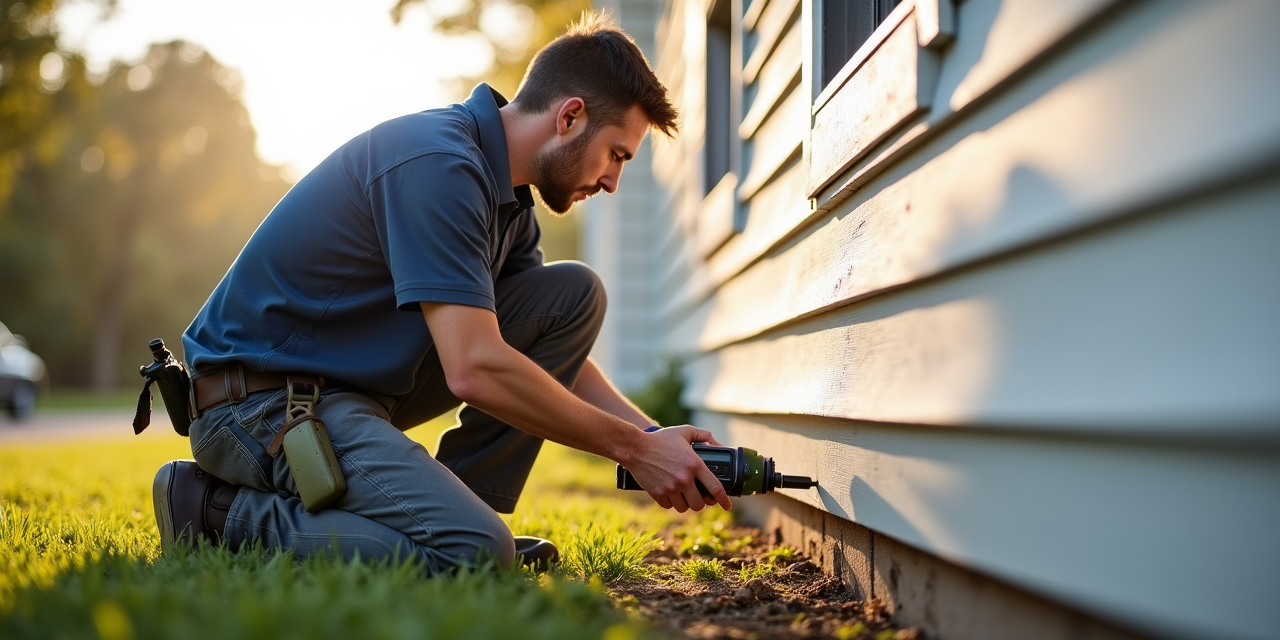
The term "exterminator" covers a lot of ground. In practice, the pest control industry breaks down into several distinct specializations, each with different licensing requirements, equipment needs, and treatment protocols. Calling the wrong type for your problem does not just waste money. It can actually make certain infestations harder to eliminate.
Here is what each type of exterminator does, what credentials to look for, and the situations that require a specialist rather than a general pest control company.
General Pest Control Companies
A general pest control company is the right call for the majority of household pest problems. Their scope covers cockroaches (standard species), ants, spiders, wasps and hornets, pantry pests, silverfish, earwigs, centipedes, and basic rodent situations. In New York State, these companies operate under a DEC pesticide applicator category 7A license.
What distinguishes a good general pest company from a mediocre one is their inspection protocol. The best ones follow an integrated pest management (IPM) approach: inspect thoroughly, identify the pest with confidence, locate harboring sites and entry points, treat with targeted methods rather than broad spraying, and follow up to confirm the treatment worked. The mediocre ones show up, spray the perimeter, and schedule a return visit in 90 days regardless of outcome.
For Westchester County homes, a quality general pest control company will understand the specific pest mix: carpenter ants in the older wood-frame homes throughout Scarsdale and Bronxville, pantry pest pressure that increases in fall as people close up summer homes, and the early spring ant pressure that follows the freeze-thaw cycles in this climate zone.
Our general pest control service operates under a full IPM approach with written inspection reports and a service guarantee on all treatments.
Termite Inspectors and Wood-Destroying Organism (WDO) Specialists
Termite treatment is the most regulated category in residential pest control. In New York State, treating wood-destroying insects requires a separate DEC category 7B license, distinct from general pest control. Companies performing termite inspections for real estate transactions must also meet additional requirements to produce a legally valid WDO (Wood-Destroying Organism) inspection report.
The treatment tools for termites are fundamentally different from general pest control. Two primary approaches exist:
Sentricon bait station systems. In-ground bait stations placed around the perimeter of the structure contain cellulose bait treated with an insect growth regulator (chitin synthesis inhibitor). Termites feed on the bait, share it with the colony, and the colony is eliminated over weeks to months. Annual monitoring stations are checked and replenished. This is the lower-disruption option and provides ongoing protection. Pristine Pest is a Sentricon Certified Specialist serving Westchester County. See our termite control page for details on what this program involves.
Liquid soil treatments. Professional-grade termiticide is applied to the soil around and beneath the structure, creating a chemical barrier that termites cannot cross. Effective for 5 to 10 years depending on the product and soil conditions. More disruptive to apply but provides faster knockdown of active colonies.
If you are buying or selling a home in Westchester County, the inspector who performs the termite inspection must be licensed to produce a WDO report. That report documents any wood-destroying organism activity, damage, or conditions conducive to infestation. Our real estate pest inspection service covers WDO reporting for transactions throughout Westchester County.
Bed Bug Specialists
Bed bugs occupy a unique position in pest control because the most effective treatment method, heat treatment, requires equipment investment that most general pest companies do not make. Professional heat treatment uses industrial heaters and fans to bring an entire room or structure to 120 to 135 degrees Fahrenheit, sustained for several hours. This kills bed bugs at all life stages including eggs. A general company using standard chemical treatment on bed bugs achieves meaningfully lower success rates, particularly against eggs.
What to look for in a bed bug specialist: heat treatment equipment (not just chemical treatment), specific monitoring protocols using interceptor cups and visual inspection before and after treatment, and a follow-up visit schedule. The failure mode in bed bug treatment is almost always one of three things: missed harboring sites, untreated adjacent units in multi-unit buildings, or re-introduction from the original source (a hotel stay, used furniture).
Rodent Control and Exclusion Specialists
Rodent control splits into two distinct activities: population reduction and exclusion. Any licensed pest company can set traps and bait stations. The harder part, and the one that produces permanent results, is exclusion: physically identifying and sealing every point where rodents can enter the structure.
A rodent exclusion specialist inspects the full building envelope looking for gaps at utility penetrations, foundation cracks, gaps around pipe chase openings, deteriorated door sweeps, and anywhere else a mouse (which can pass through a gap the diameter of a dime) or rat can enter. They seal these points with materials rodents cannot chew through: copper mesh, steel wool set in caulk, sheet metal flashing, and concrete repair compound for foundation gaps.
For a home that has had recurring rodent problems, population reduction without exclusion produces temporary results. The mice that are trapped are replaced by new ones from outside. Exclusion is the permanent solution. Our Home Shield Exclusion service covers full rodent exclusion for Westchester County properties.
Mosquito and Tick Control Specialists
Mosquito and tick control is a seasonal specialty that operates very differently from structural pest control. It focuses on outdoor barrier spray programs, larval source treatment (treating standing water with biological larvicides like BTI), and in some cases habitat modification.
In Westchester County, tick control is equally critical and increasingly recognized as a public health priority. The county has some of the highest Lyme disease rates in the state. Tick and mosquito specialists who understand the regional deer tick (Ixodes scapularis) and its relationship to white-tailed deer activity, migratory birds, and the county's extensive woodland corridors offer meaningfully different service than a company running a generic spray program.
Our LymeShield Tick and Mosquito program is designed specifically for Westchester County conditions, with treatment timing calibrated to the tick lifecycle stages most active in this climate.
Wildlife Removal Operators
Wildlife removal is a legally separate category from pest control. In New York State, trapping and relocating nuisance wildlife (raccoons, squirrels, opossums, groundhogs) requires a Nuisance Wildlife Control Operator (NWCO) permit issued by the DEC, not just a pesticide applicator license. A general pest control company that offers wildlife removal should hold both.
Bats have additional protections under both state and federal law. Bat exclusion can only be performed during specific windows when young bats are not present and cannot fly on their own (outside the June 1 to July 31 maternity season in New York). A company that attempts bat exclusion during the maternity period is violating state law and will trap young bats inside the structure, where they will die and create an odor problem.
Wildlife removal that does not include exclusion is not a permanent solution. An opening that allowed a squirrel into an attic will allow another one next season. The removal and the exclusion of the entry point must happen together.
Generalist or Specialist: How to Decide
The short version: start with a general pest control company if you are unsure what you have or if the pest is a common one. A quality generalist will inspect thoroughly, identify the pest correctly, and tell you honestly if the situation requires a specialist. That referral is worth the inspection cost.
If you already know your pest is a termite, bed bug, or wildlife situation, go directly to a specialist. You will save time and avoid a failed first treatment.
Certifications That Matter in 2026
Beyond the NY DEC licensing requirements, a few voluntary certifications indicate a higher commitment to professional standards.
QualityPro certification from the National Pest Management Association requires companies to meet standards for background checks on employees, business practices, training programs, and environmental stewardship. It is not required, but it filters out low-quality operators.
Board Certified Entomologist (BCE) is a credential from the Entomological Society of America. Inspectors with a BCE designation have formal academic training in insect biology, which produces meaningfully better pest identification accuracy on difficult cases.
Sentricon Certified Specialist designation is granted by Corteva Agriscience to companies that have completed training on the Sentricon system and maintain annual certification. For termite protection specifically, it signals the company knows the system well rather than simply reselling it.
FAQ: Types of Exterminators
Do I need a specialist or a general pest control company?
For most common household pests, a general pest control company handles the job well: ants, spiders, cockroaches, wasps, and basic rodent situations are all within the scope of a licensed general pest management company. Specialist exterminators are warranted for termites (requiring separate 7B licensing), bed bugs (requiring heat treatment capability), wildlife removal (requiring a NWCO permit), and heavy German cockroach infestations that have resisted prior general treatment.
What is the difference between a pest control company and an exterminator?
The terms are used interchangeably in practice. Modern pest control has shifted toward integrated pest management (IPM), which combines physical exclusion, habitat modification, targeted pesticide application, and monitoring. Companies that emphasize IPM tend to focus more on prevention and long-term elimination rather than recurring spray applications. The distinction is largely semantic in consumer use.
Do termite exterminators need a special license in New York?
Yes. Treating wood-destroying insects in New York requires a DEC category 7B license, separate from the general pest control category 7A. Companies performing termite inspections for real estate must also be authorized to produce WDO inspection reports. Ask any termite exterminator for their 7B license number and verify it on the DEC's public license lookup before scheduling treatment.
Can a general exterminator treat bed bugs?
Technically yes, but effectiveness varies significantly. True bed bug specialists invest in heat treatment equipment capable of bringing an entire room to 120 degrees Fahrenheit, which kills bed bugs and eggs at all life stages. General pest companies using spray treatment alone have meaningfully lower success rates. A specialist with dedicated heat treatment capability and specific monitoring protocols is the better choice for an active bed bug infestation.
What certifications should I look for in a pest control specialist?
For New York: DEC pesticide applicator license (7A for general, 7B for WDOs). Beyond licensing: QualityPro certification from the NPMA, Board Certified Entomologist (BCE) designation for inspectors handling complex infestations, and Sentricon Certified Specialist designation for termite companies using the Sentricon bait system.
Written by
Michael Corsetti
Structural Pest Control Specialist
Specializing in wood-destroying insect identification, structural damage assessment, and integrated treatment programs for Westchester County's historic residential stock.
Keep Reading
Related Articles

How to Hire a Professional Exterminator: Your Complete Guide
What questions to ask, what licenses to verify, and the red flags that separate good companies from bad ones.
Termite Control and Inspection for Westchester County Homes
Sentricon Certified Specialist. Full 7B-licensed structural assessment and WDO reporting for real estate transactions.
Home Shield Exclusion: Stop Pests at the Entry Point
Full building envelope inspection and sealing for rodents, wildlife, and overwintering insects in Westchester County homes.