Spotted Lanternfly in New York: What Westchester Homeowners Need to Know in 2026
Spotted lanternfly is no longer a border threat in New York — it is established throughout Westchester County and expanding. This guide covers the 2026 life cycle calendar, what the insect actually threatens (and what it does not), what you can do on your property, and where professional pest management is and is not effective against this invasive species.
Michael Corsetti
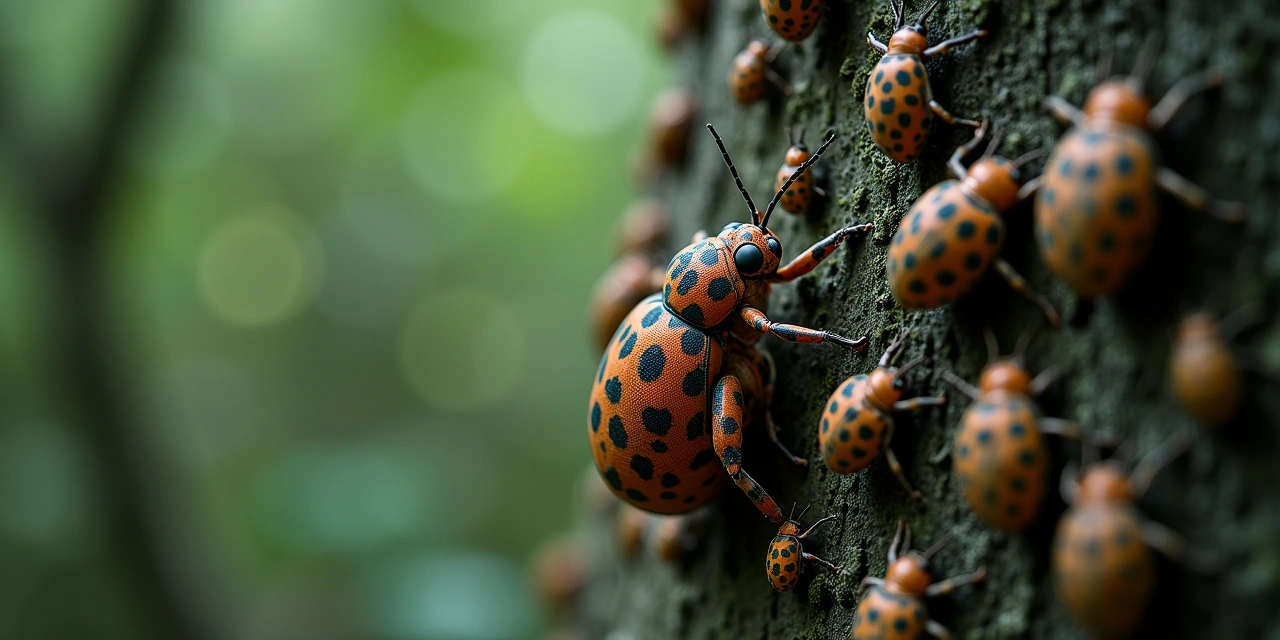
Updated May 2026: Spotted lanternfly is established throughout Westchester County. Egg hatch begins late April — egg mass scraping is effective now through June. NY DEC asks all residents to report sightings and kill on sight. Adult population peaks August–October.
What Is the Spotted Lanternfly — and Why Is It in Westchester?
Lycorma delicatula, the spotted lanternfly, is a planthopper native to China, India, and Vietnam. It was first detected in Berks County, Pennsylvania in 2014, almost certainly as a hitchhiker on stone imported from Asia. From that initial detection point, it has expanded relentlessly across the eastern United States. By 2021 it had crossed into New York State. By 2023, Westchester County was confirmed as an established population — meaning reproducing, overwintering, and no longer a question of "if" but "how many."
Spotted lanternfly spreads quickly because it lays egg masses on almost any smooth surface: tree bark, stone, outdoor furniture, vehicles, shipping pallets, and landscaping equipment. A single female produces one to two egg masses per season, each containing 30 to 50 eggs. Egg masses are laid from September through November and overwinter, hatching the following spring. The primary mechanism of long-distance spread is human transport of egg-mass-bearing materials — firewood, nursery stock, outdoor equipment, and vehicles traveling from infested counties.
Westchester's position in the New York metropolitan region — with major highways, rail freight, and extensive commercial plant nursery trade — made its colonization essentially inevitable once populations established in New Jersey and lower New York. The Bronx River corridor, which passes through multiple Westchester municipalities, has served as a dispersal corridor along which populations have moved northward.
What Spotted Lanternfly Actually Threatens
The most important thing to understand about spotted lanternfly is what it is and what it is not. It is not a structural pest. Spotted lanternfly does not damage wood, does not chew insulation, does not bore into your home, and cannot sting or bite humans. It is a phloem feeder — its piercing-sucking mouthparts extract sap from plant tissue. The damage it causes is entirely to living plants.
The primary hosts in order of preference are Tree of Heaven (Ailanthus altissima), grapevines, hops, apples, peaches, and various tree species including maple, birch, willow, and walnut. Heavy feeding by large populations weakens plants, reduces fruit yield, and can kill heavily infested hosts over multiple seasons. The economic impact on New York's wine grape, apple, and hops industries has been significant and continues to grow.
For residential Westchester homeowners, the practical concerns are different. Large aggregations of adults in late summer produce sticky honeydew excretions that coat exterior surfaces — decks, patio furniture, vehicles, and walkways — creating a nuisance and promoting black sooty mold growth. Late-season aggregations also attract yellowjackets, wasps, and other stinging insects that feed on the honeydew, which can create real problems in outdoor living spaces from August through October. And properties with grapevines, ornamental fruit trees, hops, or young maples may see direct plant stress from heavy feeding populations.
The 2026 Life Cycle Calendar for Westchester County
Spotted lanternfly has one generation per year in New York. Understanding the seasonal calendar tells you when specific control actions are most effective:
September–April (Egg Stage): Egg masses are present on smooth surfaces throughout winter. This is the easiest control window. Each egg mass scraped and destroyed eliminates 30–50 potential nymphs before they hatch. Egg masses look like smeared gray putty approximately 1 inch long — easy to overlook, but unmistakable once you know what to look for. Scrape into a bag with hand sanitizer or rubbing alcohol to kill them.
Late April–June (Early Nymph Stage, Instars 1–3): Newly hatched nymphs are small, black with white spots, and highly mobile. They feed on a wider range of plant hosts than adults and are harder to find. Contact insecticides are effective at this stage. Nymphs do not yet fly, making barrier treatments on preferred host plants effective.
July–August (Late Nymph Stage, Instar 4): Fourth-instar nymphs are larger — about half an inch — with red patches replacing some of the black. They begin moving toward preferred hosts like Tree of Heaven and grapevines. This is when populations become visible and when professional treatment is most warranted for properties with significant host plant exposure.
August–November (Adult Stage): Adults emerge from late July through August and are active through the first hard frost. Adults are the most distinctive stage — gray-spotted forewings with red hindwings revealed during flight. They aggregate in large numbers on preferred hosts, producing the honeydew that creates nuisance conditions. Adults disperse widely by flight. This is the most visible and damaging stage for ornamental plants and outdoor spaces.
What You Can Do on Your Property
Effective property-level management of spotted lanternfly combines mechanical control, targeted insecticide application, and host plant management. No single approach eliminates the pest — populations will reinvade from adjacent areas — but consistent management significantly reduces on-site populations and plant damage.
Egg mass scraping (September–April): The highest-impact individual action. Scrape egg masses from tree trunks, stone walls, outdoor furniture, and vehicles with a stiff putty knife or card. Deposit into a sealed bag with hand sanitizer. Check your vehicles if you travel to other counties — this is a primary spread pathway.
Circle traps on host trees (May–August): Sticky band traps or circle traps installed on the trunk of preferred host trees intercept nymphs moving up the tree to feed. These are particularly effective on Tree of Heaven, grapevines, and maples with heavy activity. Commercial traps are available or can be constructed from materials. Check weekly and dispose of trapped insects.
Contact insecticide treatment (May–October): EPA-registered products including dinotefuran (a neonicotinoid applied as a bark spray) and pyrethrin-based contact sprays are effective against nymphs and adults. Professional application by a licensed pest management company is recommended for systemic treatments and large-scale applications. Our general pest management program can include spotted lanternfly treatment as a targeted add-on service for properties with significant host tree populations or aggregation problems.
Killing on sight: The NY Department of Agriculture and Markets encourages all residents to kill spotted lanternflies on sight throughout the season. Squashing adults, nymphs, and scraping egg masses are all direct contributions to regional suppression.
The Tree of Heaven Problem
Ailanthus altissima — Tree of Heaven — is itself an invasive species from China, introduced to North America in 1784 and now naturalized throughout Westchester County's roadsides, forest edges, and disturbed areas. It is spotted lanternfly's most preferred host plant and the tree around which the largest adult aggregations form in late summer and fall.
Removing Tree of Heaven from your property reduces on-site spotted lanternfly reproductive success and eliminates the primary aggregation magnet that draws adults in August through October. However, removal requires professional arborist judgment and care: Tree of Heaven resprouts aggressively from cut stumps and can produce many vigorous shoots if not treated with herbicide at the time of removal. A cut stump that is not herbicide-treated will produce a multi-stemmed resprouting thicket within one growing season — often worse than the original tree.
Importantly, removing Tree of Heaven does not eliminate spotted lanternfly from the property. Adults fly and will continue to visit on alternative hosts — maples, grapevines, fruit trees — particularly if adjacent properties retain large Tree of Heaven. Removal is a useful component of a comprehensive property strategy, not a stand-alone solution.
Researchers are also studying natural predators, including parasitoid wasps and two fungal pathogens, as a longer-term control option. See our breakdown of the latest spotted lanternfly natural enemy research and why it doesn't replace this season's treatment yet.
Where Professional Pest Management Helps
Spotted lanternfly is fundamentally different from structural pests like termites or carpenter ants — a property-level professional treatment does not solve a community-scale invasive species problem the way it solves a termite infestation. Treating your yard does not prevent reinvasion from adjacent areas. This is important to set realistic expectations.
That said, professional treatment provides real value in specific situations: properties with commercial-quality grapevines or high-value ornamental plantings that would suffer significant economic or aesthetic loss without protection; properties with very large Tree of Heaven populations requiring systemic bark treatment; late-season adult aggregations creating stinging insect hazards in outdoor living areas; and properties where the homeowner simply does not have the time or capacity to manage a DIY trapping and scraping program through the full season.
For most Westchester homeowners, the combination of egg mass scraping in winter and spring, circle traps during nymph season, and on-call professional treatment if adult populations reach nuisance levels in late summer is the most practical and cost-effective approach. Contact us to discuss whether a targeted spotted lanternfly add-on to your existing pest management program makes sense for your property.
FAQ: Spotted Lanternfly in New York
Does spotted lanternfly damage homes or structures?
No. Spotted lanternfly does not damage wood, chew insulation, or compromise structural integrity. It is a plant feeder — its mouthparts pierce plant tissue to extract phloem sap. The threat is to trees, ornamental plants, grapes, fruit crops, and hops. The honeydew it produces promotes sooty mold growth on exterior surfaces including decks, furniture, and vehicles, and attracts yellowjackets and wasps in late summer. Spotted lanternfly is an agricultural and horticultural pest, not a structural one.
When is spotted lanternfly most active in Westchester County?
Egg masses hatch from late April through June. Early red-and-black nymphs (instars 1–3) are present May through July. Late black-and-white nymphs (instar 4) appear from late July through August. Adults — with their distinctive spotted gray forewings and red hindwings — emerge in August and remain active through the first hard frost, typically late October to early November. Adults are the most damaging stage and the most visible.
Should I kill spotted lanternflies when I see them?
Yes — the NY Department of Agriculture and Markets encourages residents to squash spotted lanternflies on sight and report sightings using the DEC's reporting tool. Individual property control contributes to regional suppression. Scraping and destroying egg masses (September through May) is one of the highest-impact individual actions, as each mass contains 30 to 50 eggs. Contact insecticide sprays applied to host trees and resting areas are effective at the property level but do not prevent reinfestation from adjacent areas.
Does removing Tree of Heaven eliminate spotted lanternfly?
Tree of Heaven removal is a useful tool but does not eliminate spotted lanternfly. While Tree of Heaven is the preferred host and removing it reduces on-site reproductive success, spotted lanternfly feeds on over 70 host plant species including maples, oaks, apples, hops, and grapes. Properties without Tree of Heaven will still have adult lanternflies resting and feeding on alternative hosts. Tree of Heaven removal should be combined with ongoing monitoring and, where warranted, targeted insecticide treatment — and stumps must be treated with herbicide at the time of cutting to prevent aggressive resprouting.
Written by
Michael Corsetti
Structural Pest Control Specialist
Specializing in wood-destroying insect identification, structural damage assessment, and integrated treatment programs for Westchester County's historic residential stock.
Keep Reading
Related Articles
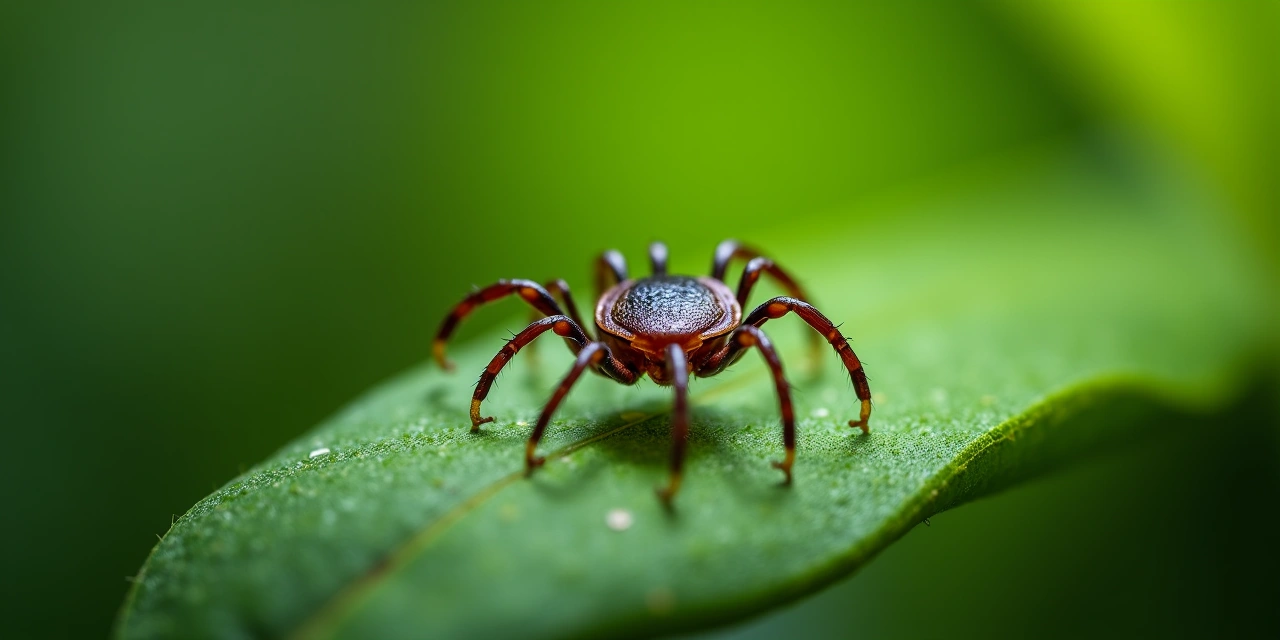
Invasive Tick Season 2026: New Species Expanding Into Westchester
The Asian longhorned tick and Gulf Coast tick are now confirmed in New York State. What these new species mean for Westchester residents alongside the established deer tick threat.
The Seasonal Pest Calendar for Westchester County Homeowners
Month-by-month guide to pest pressure cycles in Westchester — what's active when, what to watch for, and when to act before infestations establish.
General Pest Control & Home Protection Plan
Year-round pest management covering ants, roaches, rodents, spiders, and seasonal pests — with spotted lanternfly treatment available as a targeted add-on.