Spider Exterminator in Westchester County: Which Species Need One
Most spiders in Westchester homes are harmless, but certain species signal moisture and pest conditions worth addressing. Learn to identify the species you're seeing and when to call a professional.
Michael Corsetti
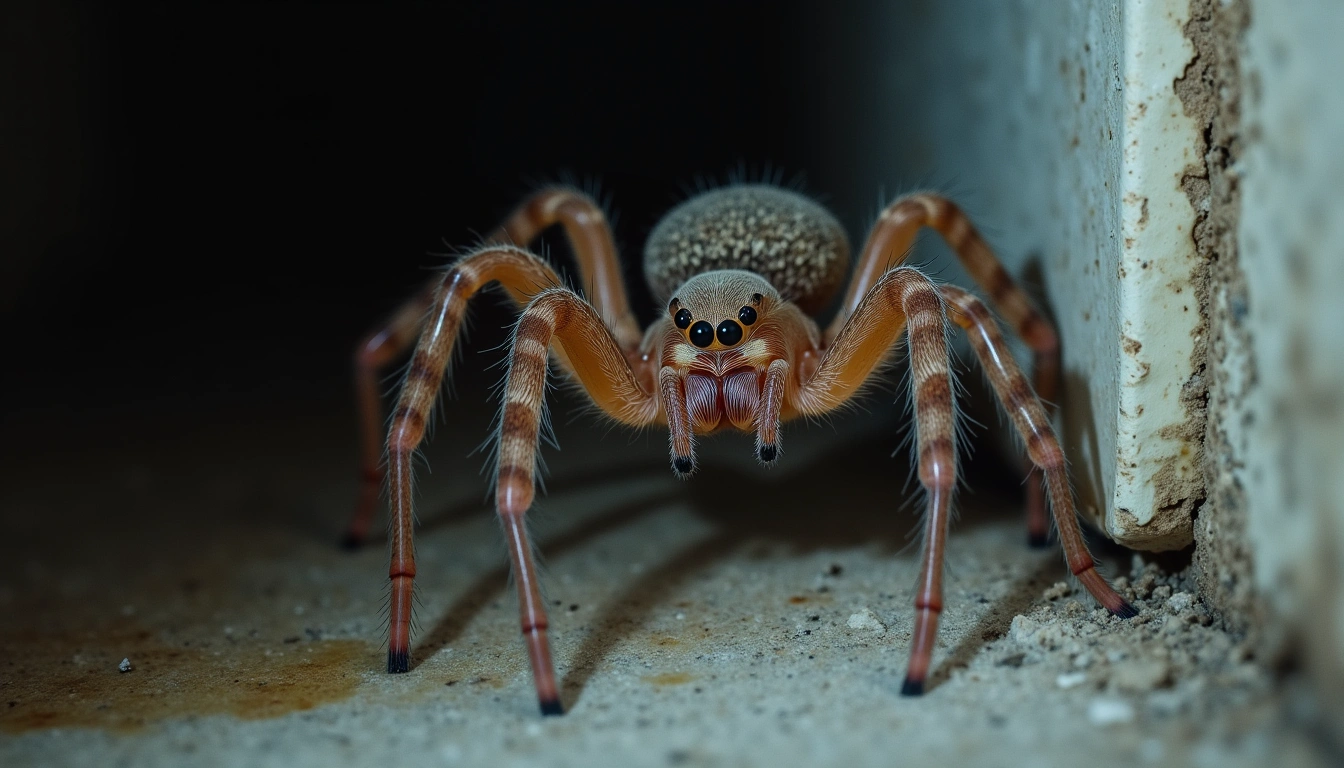
The Spiders You Will See in Westchester
Westchester County has a diverse spider fauna shaped by its blend of woodland, residential landscaping, and riparian corridors. Most of the species our technicians encounter in homes are entirely harmless — beneficial, in fact, because they actively suppress the populations of flies, mosquitoes, and smaller insects that homeowners care more about.
That said, certain species signal environmental conditions in your home that warrant attention. A basement densely populated with cellar spiders and funnel weavers is telling you something specific about moisture levels and the insect populations sustaining them.
Common Indoor Spiders in Westchester
| Species | Appearance | Location | Threat |
|---|---|---|---|
| Common House Spider | 1/4 inch, tan-brown, messy cobweb | Corners, windows, basement | None |
| Cellar Spider | Long thin legs, small body, vibrates web | Damp basement, crawl space | None |
| Yellow Sac Spider | Pale yellow, 1/4–3/8 inch, no web | Walls near ceiling | Low — mild bite |
| Wolf Spider | Up to 1 inch, hairy, grey-brown, fast | Garage, crawl space | Very low |
Spider Signal Decoder
Spiders are predators — high spider numbers mean high prey insect numbers. Select what you are observing.
What Are You Seeing?
Spider Season
Fall is peak indoor spider migration season in Westchester — mature adult spiders seek overwintering sites in October and November. A perimeter application in September captures the full prevention window.
Effective Spider Reduction
Because spiders follow prey, the most effective strategy is prey reduction. Our general pest control program applies a perimeter residual treatment that reduces flying and crawling insect populations spiders feed on. For specific indoor spider activity, we use a combination of residual interior treatment and dehumidification recommendations. See our seasonal pest calendar for timing context.
Written by
Michael Corsetti
Board-Certified Entomologist
Cornell-educated entomologist with 20+ years in urban pest management.