Silverfish Control in Westchester County: What Attracts Them and How to Get Rid of Them
Silverfish destroy books, wallpaper, and clothing without being seen for months. Learn how humidity, clutter, and aging infrastructure invite them into Westchester homes.
Michael Corsetti
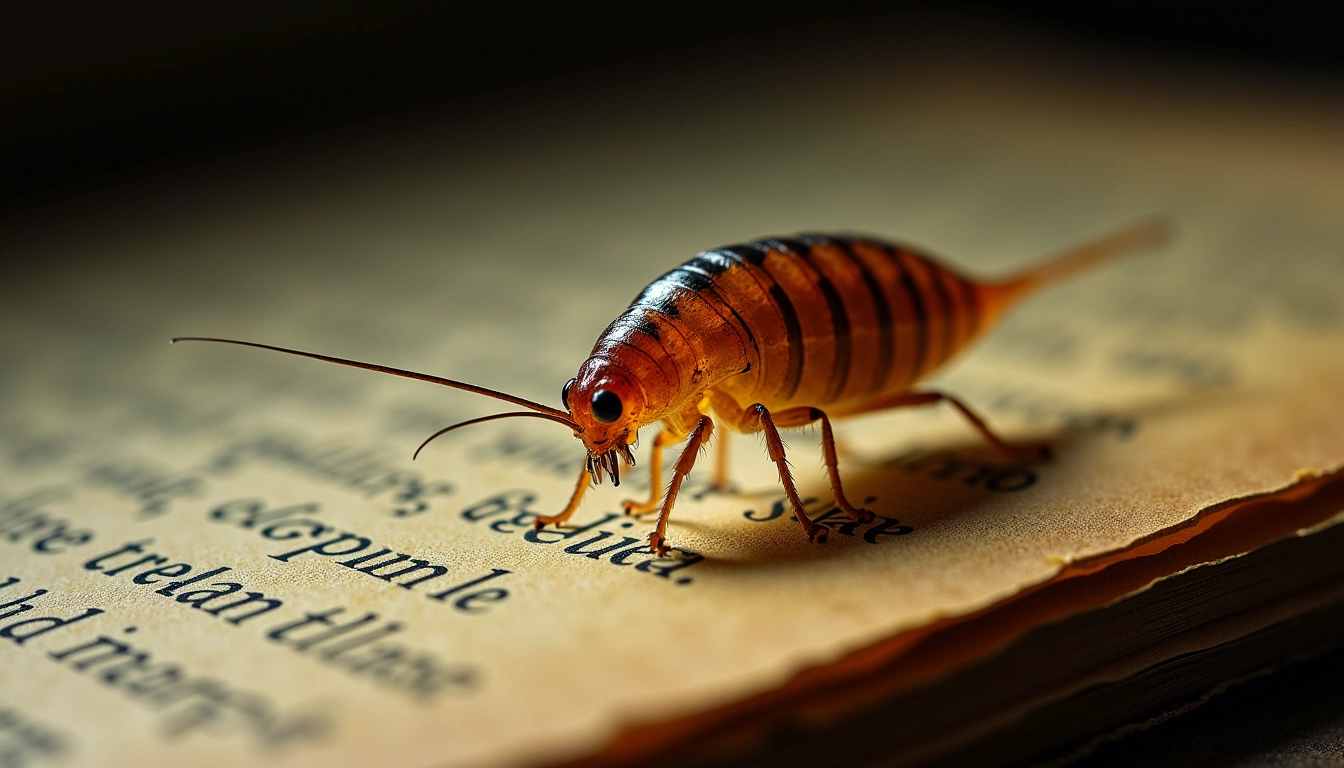
The Pest That Ruins Things You Don't Think to Protect
Silverfish (Lepisma saccharina) are among the oldest insect species on earth — their lineage predates the dinosaurs by 100 million years. That evolutionary longevity has produced a pest that is remarkably well-adapted to living inside human structures, quietly feeding on materials most homeowners would never think to protect.
They eat starch. That means glue in book bindings, the sizing in wallpaper, cellulose in cardboard boxes, flour in unsealed pantry bags, and the starch finish on fine cotton and linen clothing. Unlike termites, they leave no mud tubes or frass piles. They work in darkness, behind walls and under baseboards, for months before their feeding damage becomes visible.
In Westchester County, silverfish thrive in the conditions created by our climate and housing stock. Older homes with naturally humid basements, finished attic spaces with poor ventilation, and the general moisture load of our coastal-inland climate make this region particularly susceptible.
What Your Home's Humidity Says About Your Risk
Silverfish require relative humidity above 70% to thrive and reproduce. They can survive in lower humidity but become reproductively dormant. In high humidity environments — above 80% — a single female can lay up to 100 eggs per year, which hatch in as few as 19 days.
Humidity Risk Calculator
Enter your basement or crawl space humidity reading (use an inexpensive hygrometer, available at hardware stores for $15–20).
Where Silverfish Hide in Westchester Homes
Silverfish are photophobic — they avoid light and emerge almost exclusively at night. This makes them difficult to detect until populations are established. Our technicians find them most frequently in these locations:
- Attic insulation: Particularly blown cellulose insulation, which holds moisture and is itself a food source.
- Behind baseboards: The gap between baseboard and subfloor is a perfect microhabitat — dark, slightly warm, and often near the building's thermal envelope.
- Bathroom subflooring: Leaking toilet seals, shower pan failures, and tile grout issues all create chronic moisture that silverfish exploit.
- Cardboard boxes in storage: The glue in corrugated cardboard is a preferred food source. Plastic bins eliminate this entirely.
- Book collections: Library rooms and home offices with floor-to-ceiling shelving provide both food and harborage.
Effective Treatment Approaches
Silverfish control is a two-part process: reduce the humidity that sustains the population, and treat the void spaces where they live. Neither step alone is sufficient long-term.
Dehumidification to below 60% relative humidity is the most impactful single action. A quality whole-basement dehumidifier (we recommend units rated for at least 70 pints per day for a typical Westchester basement) combined with void-space treatment using a desiccant dust like diatomaceous earth or Drione creates an environment where silverfish cannot survive long-term.
Professional treatment applies residual materials to areas that retail products cannot safely reach — inside wall voids, under flooring, and in attic spaces. Our general pest control program addresses silverfish as part of comprehensive interior management.
If you have noticed feeding damage on wallpaper, book bindings, or clothing, call us at (877) 938-6799 before the population grows further. See our seasonal pest calendar for context on how silverfish fit into the broader yearly pest cycle.
Written by
Michael Corsetti
Board-Certified Entomologist
Cornell-educated entomologist with 20+ years in urban pest management.
