Pantry Pests in Westchester: Indian Meal Moths, Weevils & Grain Beetles
Find out how Indian meal moths, grain weevils, and flour beetles infest dry goods — and how to eliminate them without throwing away your entire pantry.
Michael Corsetti
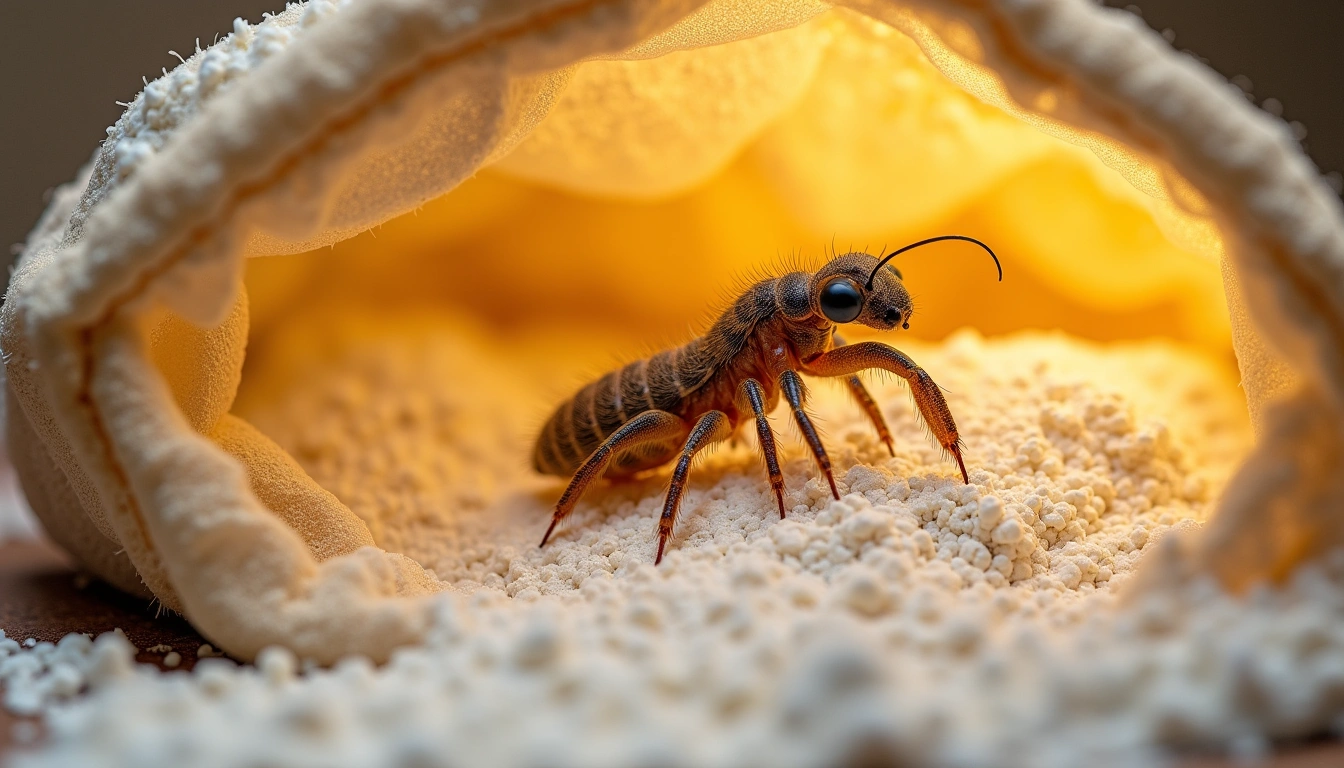
The Pests You Don't See Until It's Too Late
Pantry pests are the group of stored-product insects that infest dry goods: flour, cereals, grains, dried fruit, nuts, pet food, and bird seed. They are quiet, they are small, and by the time homeowners notice them, the infestation has typically spread across multiple items in the pantry.
In Westchester County, we receive a surge of pantry pest calls every autumn — when windows close, heating systems activate, and the warmth inside your kitchen creates ideal conditions for rapid insect reproduction. We also see a spike after the holiday baking season, when large quantities of flour, dried fruit, and nuts are brought into the home simultaneously.
The three species we encounter most often are the Indian Meal Moth (Plodia interpunctella), the Grain Weevil (Sitophilus granarius), and the Saw-Toothed Grain Beetle (Oryzaephilus surinamensis).
Identification Guide
| Pest | Size | What You See | Primary Foods |
|---|---|---|---|
| Indian Meal Moth | Adult 5/8 inch wingspan | Reddish-brown wingtips, small larvae with webbing in food | Flour, cereal, dried fruit, nuts, pet food |
| Grain Weevil | 1/8 inch | Dark brown, elongated snout, found inside grain kernels | Wheat, corn, rice, barley (whole grains) |
| Sawtoothed Grain Beetle | 1/10 inch | Flat, brown, 6 saw-like projections on thorax sides | Cereals, crackers, dried pasta, chocolate |
Pantry Audit Checklist
Use this interactive checklist to systematically inspect your pantry. Check each item you've completed — the tool will estimate your infestation risk.
Pantry Pest Audit
How to Eliminate a Pantry Pest Infestation
The critical rule with pantry pests: you cannot treat your way out of the problem. You have to remove it.
Every infested item must be discarded in an outdoor trash can. Spreading insects into your recycling or compost re-introduces them to the environment. Vacuuming the pantry thoroughly — including shelf liner, wall–shelf joints, and ceiling corners — removes eggs and pupae that chemical treatments cannot penetrate.
After the physical removal, we apply a residual insecticide to pantry cracks and voids and install pheromone traps to monitor for reinfestation. Adult Indian meal moths are attracted to the sex pheromone in monitoring traps, allowing us to confirm elimination.
The key prevention step going forward is airtight containers. Pantry pests cannot penetrate sealed glass or hard plastic. They can and do chew through cardboard, paper, and thin plastic bags. Our general pest control service includes a pantry pest protocol with monitoring traps left in place for 90 days after treatment.
How They Get Into Your Home
The vast majority of pantry pest infestations begin with infested product purchased from a store. Indian meal moth larvae are small enough to enter sealed cardboard packaging through factory-sealed seams. Weevils are often already inside grain kernels at purchase.
Inspect any dried goods with a warm expiration date or that were purchased in bulk before storing them. Freezing new pantry items for 72 hours at 0°F kills all life stages of any pantry pest — a simple practice that prevents most infestations before they start.
Written by
Michael Corsetti
Board-Certified Entomologist
Cornell-educated entomologist with 20+ years in urban pest management.