Mouse-Proofing Your Westchester Home: A Room-by-Room Exclusion Guide
Killing mice without sealing entry points is a treadmill you can't win. This room-by-room guide shows exactly where mice enter Westchester homes and how to permanently close those access points.
Michael Corsetti
Why Trapping Alone Never Ends the Problem
Traps kill mice. They do not stop the next wave from entering. A house mouse has a home range of roughly 10 to 30 feet — the area in and around your home. Remove the current residents without sealing their entry point, and neighboring mice will locate the same gap within days. They can detect the scent trails, warmth gradients, and drafts that mark a viable entry point.
Permanent mouse control requires two steps executed together: trapping to reduce the current population, and exclusion to eliminate the entry points. Most homeowners do only the first step, which is why they call us annually with the same problem.
In Westchester County, the specific entry points vary by the age and construction of the home. We have developed a room-by-room audit protocol based on the most common failure points we find in field inspections across the region.
Interactive Entry Point Audit
Work through each zone of your home. Check every item you have verified — the tool will track your progress and flag which areas to prioritize.
What Actually Works for Sealing
The material matters as much as the location.
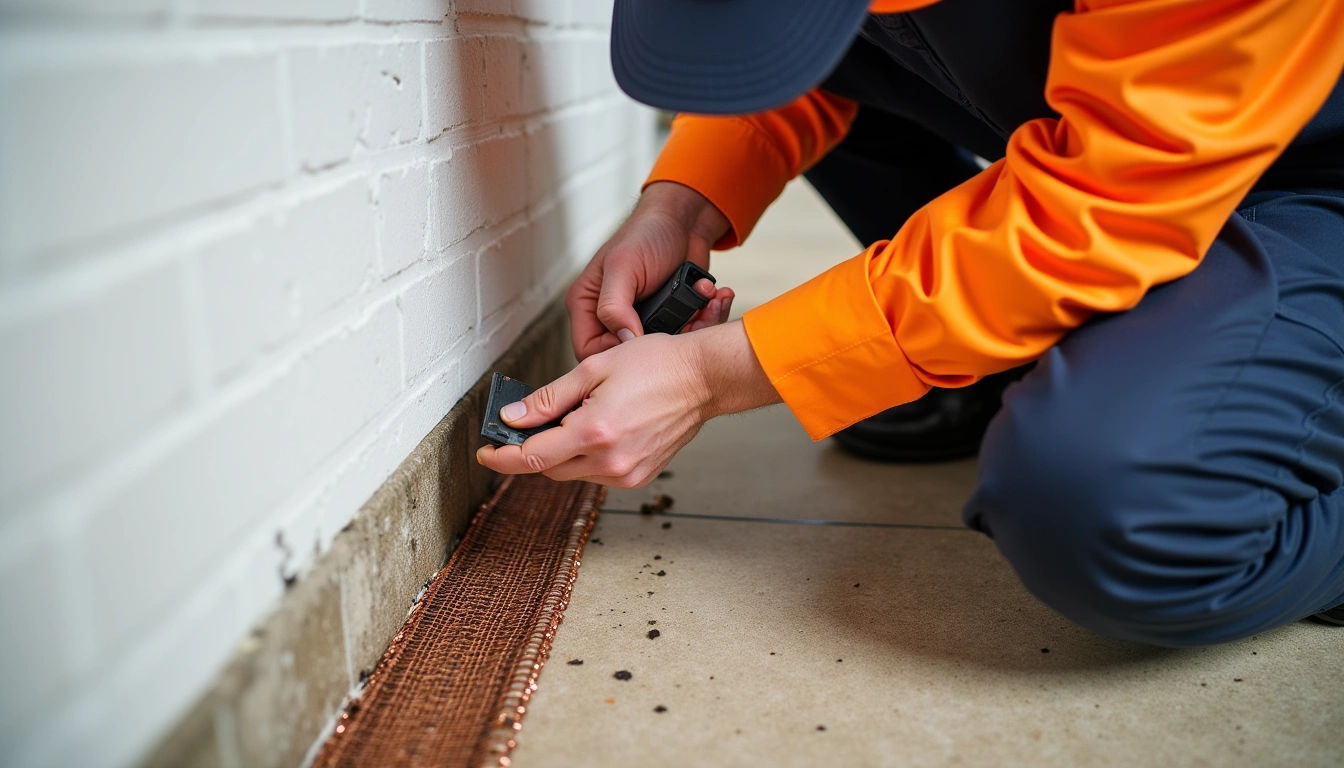
- Copper mesh (CopperMesh/Stuf-Fit): Our preferred fill material for gaps around pipes and in foundation voids. Mice cannot gnaw through it, and it does not compress or rust. Pack tightly into the gap, then cover with sealant.
- Silicone caulk: For gaps along transitions where two surfaces meet — door frames to siding, pipe plates to wall. Mice can potentially gnaw through pure silicone, so always combine with copper mesh in active areas.
- Steel wool alone: Compresses and rusts within two to three seasons. We do not recommend it as a primary material.
- Hardware cloth (1/4-inch galvanized): For larger openings — weep holes, vents, crawl space access points. The 1/4-inch mesh is the maximum size that excludes mice.
When DIY Exclusion Falls Short
The entry points most homeowners miss are the ones they cannot easily see: roof returns, soffit junctions, and the areas where additions meet the original structure. These transitions often have irregular gaps that vary every foot and cannot be treated uniformly from ground level.
Our Home Shield Exclusion program includes a full perimeter and roofline inspection with ladder access to all elevations. We guarantee our exclusion work — if a mouse enters through a sealed point within 12 months, we return to address it at no charge.
Combine exclusion with our rodent control service for a two-phase approach that eliminates the current population and prevents the next one.
Written by
Michael Corsetti
Board-Certified Entomologist
Cornell-educated entomologist with 20+ years in urban pest management.