Earwig Control in Westchester County: Why They Invade Homes and How to Stop Them
Earwigs enter Westchester homes in large numbers during dry spells and after heavy rain. They don't bite or damage your structure, but an invasion of dozens demands a systematic response.
Michael Corsetti
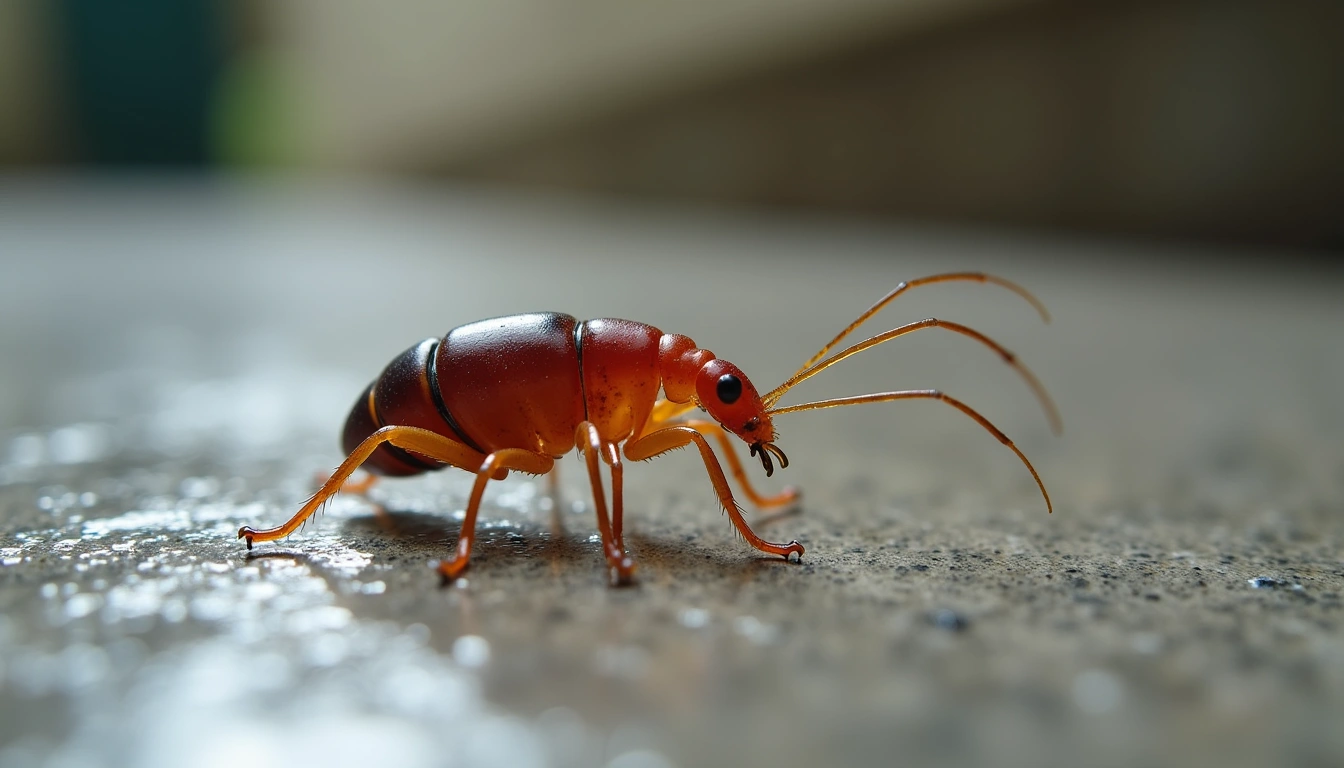
The Insect Everyone Fears but Rarely Needs To
The European Earwig (Forficula auricularia) is one of the most recognizable insects in Westchester County — and one of the most misunderstood. The prominent pincers at the tail, called cerci, give the earwig a menacing appearance. They are not dangerous. The cerci are used for defense and mating, not biting humans. Earwigs do not damage structural wood, do not infest food, do not transmit disease, and cannot harm your pets.
They are, however, deeply unpleasant when they invade in numbers — which they do reliably during specific weather patterns.
The Two Conditions That Drive Earwig Invasions
- Extreme heat or drought. When outdoor temperatures exceed 85°F and humidity drops, earwigs migrate toward cool, moist environments — your basement, bathroom, or kitchen.
- Excessive rainfall. When soil becomes saturated, earwig habitat floods. They seek drier refuge, and your home is the nearest option.
In Westchester, the peak invasion periods are July through early August (heat/drought) and during heavy rain events throughout the growing season.
Invasion Risk Checker
Earwig Invasion Risk Assessment
Most Effective Prevention
The single most impactful step is creating a dry, mulch-free zone between garden beds and the foundation. A 12-inch gravel or bare-soil border eliminates the moist staging habitat earwigs use before entering the structure. Switching porch lights to yellow or amber bulbs also reduces insect attractants at entry points.
Treatment Options
For active invasions, a perimeter granular insecticide containing bifenthrin or deltamethrin at the foundation and 3 feet into adjacent mulch beds is most effective. Indoor individuals are managed by vacuuming — earwigs do not establish colonies indoors and do not reproduce inside your home.
Our general pest control service includes earwig management as part of spring perimeter treatment. For context on how earwig activity fits into the broader seasonal cycle, see our overwintering insects guide.
Written by
Michael Corsetti
Board-Certified Entomologist
Cornell-educated entomologist with 20+ years in urban pest management.