Deer Tick vs. Dog Tick in Westchester: How to Tell Them Apart
Westchester County has two primary tick species with very different disease risks. Learn to identify blacklegged ticks versus American dog ticks — and why the difference changes how you respond.
Michael Corsetti
Why the Species Identification Changes Everything
Not all ticks in Westchester County carry the same disease risk. The Blacklegged Tick (Ixodes scapularis), commonly called the deer tick, is the species responsible for Lyme disease, anaplasmosis, babesiosis, and Powassan virus. The American Dog Tick (Dermacentor variabilis) does not transmit Lyme disease but can carry Rocky Mountain Spotted Fever and tularemia.
Knowing which species attached to you — or your pet — guides how urgent professional medical evaluation is and what diagnostic tests your physician should order.
Both species are common in Westchester. Both bite humans. The differences in how to respond are significant enough that proper identification is not a trivia exercise — it is genuinely useful health information.
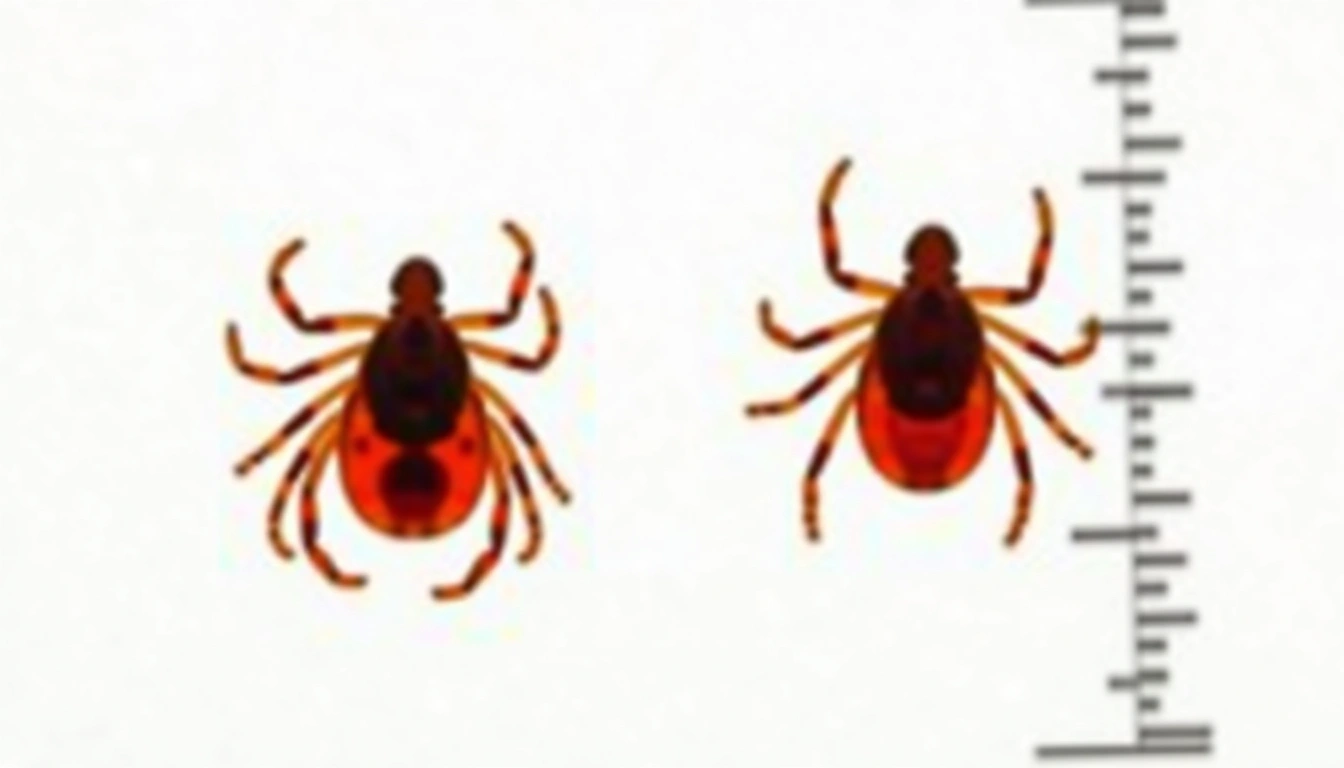
Visual Comparison
Interactive Tick ID Guide
Blacklegged Tick (Deer Tick)
Ixodes scapularis
- Sesame-seed size (unengorged adult female)
- Uniform dark reddish-brown body
- Orange-red abdomen behind dark scutum
- No white markings on body
- Nymphs are poppy-seed sized
Lyme Disease Risk: HIGH
Also transmits: anaplasmosis, babesiosis, Powassan virus
American Dog Tick
Dermacentor variabilis
- Watermelon-seed size (larger than deer tick)
- Mottled brown with cream/white markings
- Distinct white shield (scutum) behind head
- Festoons (indentations) on rear edge of body
- Nymphs have white scutum markings too
Lyme Disease Risk: NONE
Can transmit: Rocky Mountain Spotted Fever, tularemia
Seasonal Activity in Westchester
| Species | Peak Nymph Activity | Peak Adult Activity | Habitat Preference |
|---|---|---|---|
| Blacklegged Tick | May–July | October–November / March–April | Leaf litter, woodland edges, tall grass — any shaded moist habitat |
| American Dog Tick | April–May | April–July | Open grass, meadow edges, roadsides — prefers sun-exposed areas |
What to Do After Finding an Attached Tick
Removal technique is the same for both species: fine-tipped tweezers grasping the tick as close to the skin surface as possible, pulling with steady upward pressure without twisting. Never crush, burn, or coat the tick — these methods can cause the tick to inject additional fluids.
After removal, photograph the tick or preserve it in a sealed container with alcohol. Westchester County Department of Health accepts ticks for free testing.
For blacklegged ticks that were attached for more than 36 hours, consult a physician. The threshold for Lyme transmission is approximately 36 to 48 hours of attachment. For dog ticks, the Rocky Mountain Spotted Fever risk increases after 2 to 10 hours of feeding.
Protecting Your Yard
Both species are controlled by the same yard management approach: reducing leaf litter, maintaining a clear buffer between lawn and woodland edges, and applying barrier treatments. Our LymeShield program delivers season-long tick suppression through a combination of residual perimeter treatments and targeted applications to tick habitat zones. Read our complete tick prevention guide for a full action plan.
Written by
Michael Corsetti
Board-Certified Entomologist
Cornell-educated entomologist with 20+ years in urban pest management.