Cockroach Control in Westchester County: German Cockroaches in Homes
German cockroaches are the most problematic cockroach species in Westchester homes. Learn how they establish, why store-bought sprays make them worse, and how to eliminate them permanently.
Michael Corsetti
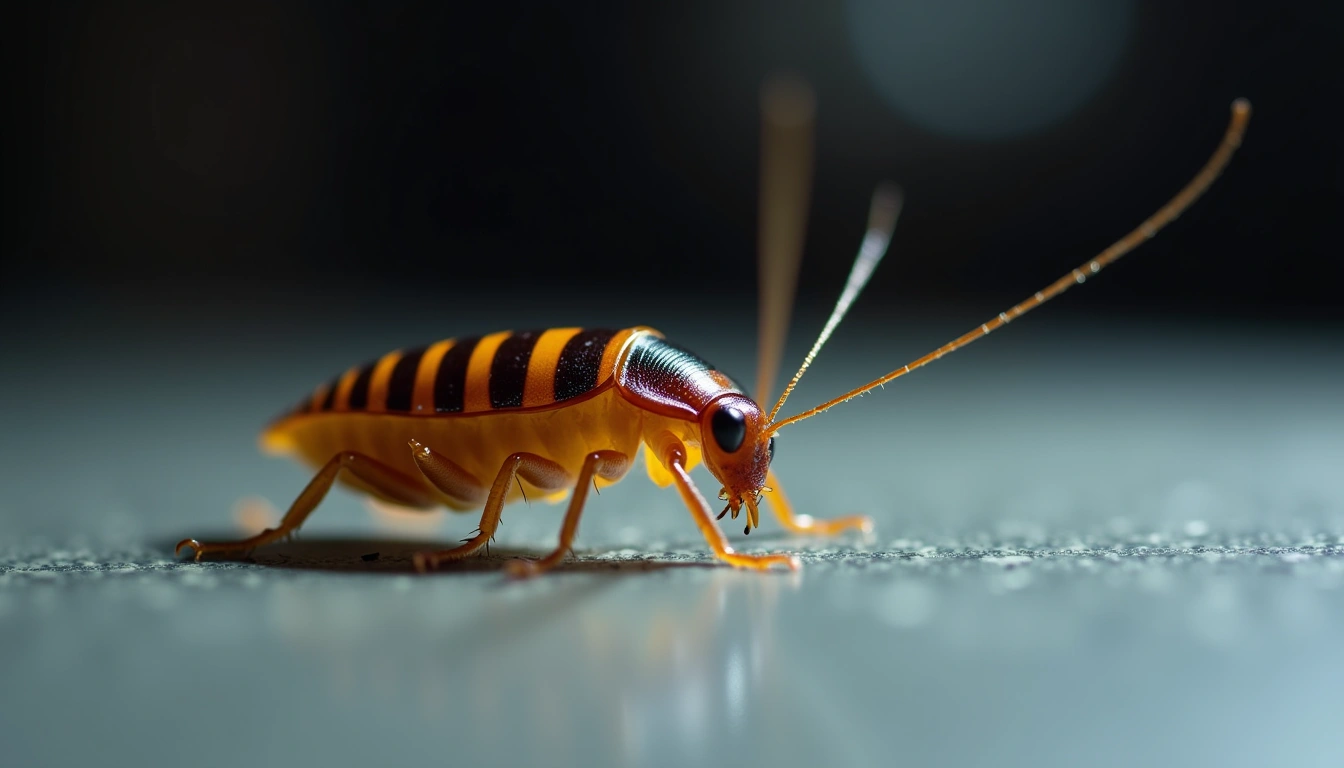
Why German Cockroaches Are the Hardest Pest to Eliminate
The German Cockroach (Blattella germanica) is the species behind the overwhelming majority of cockroach infestations in Westchester County homes. A single female and her descendants can produce over 30,000 individuals in one year. They develop from egg to reproductive adult in as few as 36 days. They are more reproductively prolific, more heat-tolerant, and more insecticide-resistant than any other cockroach species affecting Westchester homes.
How They Enter Westchester Homes
Unlike most pests, German cockroaches almost never enter homes from the outdoors. They are introduced:
- Grocery bags and cardboard boxes. Egg cases laid in cardboard corrugations arrive with purchases from infested stores.
- Used appliances and furniture. Second-hand toaster ovens, microwaves, and upholstered furniture are the most common vehicle.
- Multi-unit buildings. In condominiums, cockroaches travel through shared plumbing chases and wall outlets between units.
Why Sprays Make the Problem Worse
Contact sprays and foggers scatter cockroaches to new harborage locations throughout the home. A population concentrated in a kitchen can spread to a bathroom, bedroom, and wall voids in a single night after a spray treatment. The only reliable approach is gel bait — a slow-acting insecticide that cockroaches consume and share with nest mates, eliminating the colony from within.
Find Your Harborage Locations
Gel bait must be applied directly to harborage — dark, warm, moist microhabitats where cockroaches congregate. Use this tool to identify where to focus.
Harborage Finder
When Professional Treatment Is Required
German cockroaches develop resistance to insecticides with repeated exposure. Professional treatment uses gel bait rotation — alternating active ingredients across visits — to prevent resistance. Our general pest control service uses a three-visit gel bait protocol: initial treatment, 3-week follow-up, and 6-week confirmation. This cycle eliminates the original population and the two subsequent generations before reproductive maturity. Contact Us or schedule online.
Written by
Michael Corsetti
Board-Certified Entomologist
Cornell-educated entomologist with 20+ years in urban pest management.