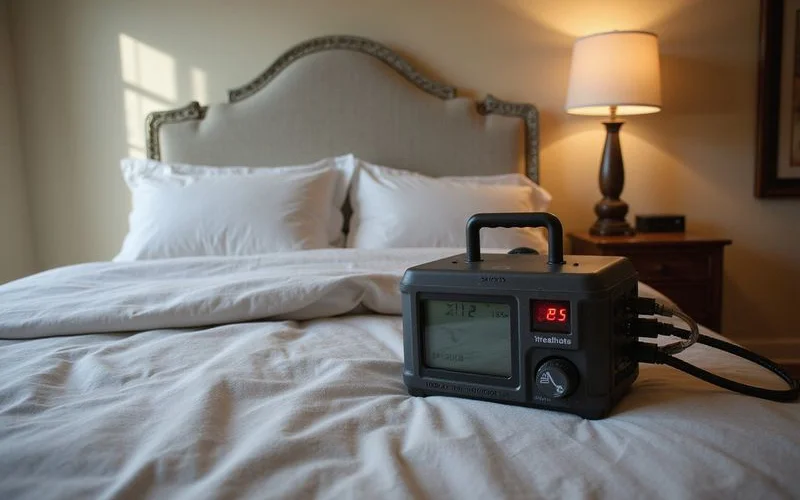
Understanding Bed Bugs in Scarsdale Homes
Bed bugs (Cimex lectularius) have become an increasingly prevalent issue in Westchester County, affecting homes regardless of cleanliness or socioeconomic status. These commensal pests have developed resistance to many traditional chemical treatments, making professional intervention essential for complete elimination.
For more information on bed bug biology and identification, see Cornell University's Bed Bug Resources.
Unlike other household pests, bed bugs are not attracted to dirty conditions—they are attracted to carbon dioxide and body heat, making any occupied home a potential host. Scarsdale's frequent travel connections to New York City and its hospitality industry make bed bug introductions particularly common.
The Biology of Bed Bugs
Understanding bed bug biology is crucial for effective treatment. Bed bugs undergo incomplete metamorphosis, meaning they hatch from eggs as miniature versions of adults and progress through five instars (nymphal stages) before reaching maturity.
A single female can lay 200-500 eggs in her lifetime, cementing eggs to surfaces in hidden locations. This reproductive capacity, combined with their ability to overwinter in heated buildings, makes infestations rapidly escalate without professional intervention.
Why Heat Treatment Is Superior
Thermal remediation has emerged as the gold standard for bed bug elimination for several compelling reasons:
100% Effectiveness Across All Life Stages
Bed bugs at every stage—from eggs to adults—cannot survive temperatures exceeding 118°F (48°C). Heat treatment raises ambient room temperatures to 120-135°F, ensuring complete mortality throughout the treatment area.
This eliminates the need for multiple applications required by chemical treatments.
No Chemical Resistance
Bed bugs have developed resistance to pyrethroid insecticides through genetic mutations. Heat treatment works through physical means—protein denaturation—against which insects cannot develop resistance.
This makes thermal remediation a one-time solution for even the most resistant strains.
Penetrates Hidden Harborage
Bed bugs hide in cracks, crevices, electrical outlets, furniture joints, and behind wallpaper. Heat penetrates these concealed locations that liquid treatments cannot reach, ensuring no hiding place goes untreated.
Single Treatment Protocol
Most heat treatments achieve complete elimination in one visit, compared to 2-4 visits often required for chemical protocols. This means less disruption to your household and faster resolution.
Our Professional Heat Treatment Process
Our partner professionals follow a comprehensive thermal remediation protocol designed for maximum effectiveness while protecting your home and belongings:
Pre-Treatment Preparation
Before heating begins, technicians will:
- Remove heat-sensitive items including candles, aerosols, and perishables
- Identify and document harborage locations
- Seal or protect items that cannot be moved
- Set up specialized heating equipment and temperature sensors
Controlled Heating Phase
Professional-grade heaters raise ambient temperatures gradually to avoid damaging belongings while ensuring all areas reach lethal temperatures. Technicians monitor multiple points throughout the structure to confirm uniform heat distribution.
Extended Hold Time
Peak temperatures are maintained for several hours to ensure heat penetrates all concealed locations and reaches all life stages. This approach eliminates the need for follow-up chemical treatments.
Detection Dogs: An Additional Tool
Many of our partner services utilize bed bug detection canine teams to complement heat treatment. These highly trained dogs can:
- Locate hidden infestations before they spread
- Verify complete elimination after treatment
- Screen furniture and belongings before moving them into your home
- Provide peace of mind through scent-based verification
Prevention After Treatment
Following successful thermal remediation, our partners provide guidance on preventing re-infestation:
Monitoring Protocols
Place intercepting devices under bed legs to detect any new activity early. These passive monitors use no chemicals and provide ongoing protection.
Travel Precautions
Bed bugs frequently enter homes through luggage. Recommendations include:
- Inspect hotel rooms before unpacking
- Use hard-sided luggage when possible
- Wash and dry clothing on high heat after travel
- Vacuum suitcases thoroughly after returning home
Second-Hand Furniture Caution
Used furniture, particularly beds, couches, and recliners, represents a common introduction pathway. Always have vintage items professionally inspected or treated before bringing them into your Scarsdale home.
Identifying Bed Bug Signs
Early detection is crucial for simpler treatment. Watch for these indicators:
- Live bugs: About the size and shape of an apple seed, reddish-brown in color
- Cast skins: Translucent exoskeletons shed during growth
- Fecal spots: Small dark stains on mattresses, sheets, and furniture
- Blood smears: Small blood spots from crushed bugs
- Sweet, musty odor: Produced by scent glands in severe infestations
Frequently Asked Questions
How did I get bed bugs?
Bed bugs are excellent hitchhikers. They travel on clothing, luggage, furniture, and other belongings.
They may come from hotels, college students returning home, used furniture purchases, or even visitors to your home. No home is immune based on cleanliness.
Do I need to throw away my mattress?
No. Professional heat treatment eliminates bed bugs in mattresses without disposal. Simply use a protective encasement after treatment to monitor for any future activity.
Will heat treatment damage my home?
When performed by trained professionals, heat treatment is safe. Technicians monitor temperatures carefully and remove or protect heat-sensitive items.
Your HVAC system will be properly protected during the process.
How long before I can return home?
Most homes can be reoccupied within 24 hours after treatment concludes. Our partners will provide specific guidance based on your situation.
Are bed bugs dangerous?
While bed bugs are not known to transmit diseases, their bites can cause allergic reactions, secondary skin infections from scratching, and significant psychological distress including anxiety and insomnia.
Don't Delay Treatment
Bed bug infestations worsen over time. A few bugs can become hundreds within weeks.
Early intervention saves money and reduces the extent of treatment needed. Our network of licensed professionals is ready to help restore your home to a bed bug-free environment.
Related Resources
Learn more about bed bug biology in our pest glossary. For bed bug prevention tips, visit the Cornell Entomology department for research-based information.